
Zog I of Albania (Ahmet Zogu)
Zog I (Ahmet Zogu) led Albania from the 1920s until the 1939 Italian invasion, serving as prime minister, president and ultimately as the country's only king; his rule centralized authority and shaped Albania's modern statehood.
Overview
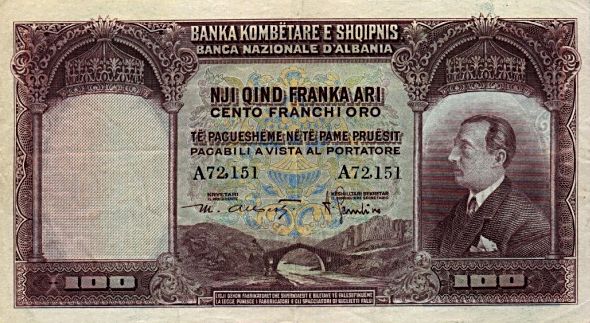
Zog I, born Ahmet Muhtar Zogolli (later Ahmet Zogu), was the dominant political figure in Albania between the early 1920s and the outbreak of World War II. He served as head of government and head of state in successive forms of office—prime minister, president and finally as king—during a period of state building, legal reform and authoritarian consolidation. In Albanian he was styled Naltmadhnija e tij Zogu I, Mbreti i Shqiptarëve. He led the country now known as Albania through turbulent regional politics and growing Italian influence.
Image gallery
10 Images


Rise to power
Coming from a notable northern family, Zogu rose in the chaotic years that followed the First World War. He adopted the shorter surname Zogu in 1922 and first became prime minister through a combination of political maneuvering and support from local notables. He held the office of prime minister in the early 1920s, survived internal opposition and a brief exile during a short-lived uprising, and then returned to consolidate control.
Presidency and kingship
After returning to power he was elected president and, in 1928, proclaimed himself king. As monarch he styled himself Zog I and sought to modernize institutions while maintaining strong personal control over the government. His rule combined efforts at modernization—such as codifying laws and building state institutions—with repressive measures to neutralize rivals. He also cultivated diplomatic and financial ties abroad as part of efforts to stabilize a weak economy.
Policies, character and controversies
Zog's government centralized authority, reformed administrative structures and promoted a secular national identity, though critics described his regime as authoritarian. He negotiated with neighboring powers and increasingly relied on assistance from Italy, a relationship that attracted controversy and raised questions about Albanian sovereignty. Attempts on his life and persistent political opposition marked his tenure.
Downfall, exile and legacy
The Italian invasion of 1939 ended Zog's rule; he left the country and spent the remainder of his life in exile. His departure marked the end of Albania's brief kingdom and the beginning of a period of occupation and later communist rule. Zog's legacy remains mixed: he is credited with centralizing and modernizing aspects of the state, but his authoritarian methods and the alignment with foreign powers are enduring points of debate.
Key dates and facts
- Born Ahmet Muhtar Zogolli; later known as Ahmet Zogu and Zog I.
- Served as prime minister, then as president, and proclaimed king in 1928.
- Reign ended with the Italian invasion in 1939; lived in exile until his death in 1961.
For further reading about specific episodes of his rule and subsequent claims by his descendants, see specialist histories and archival materials on Albanian interwar politics and monarchy.
Author
AlegsaOnline.com Zog I of Albania (Ahmet Zogu) Leandro Alegsa
URL: https://en.alegsaonline.com/art/133337