
Zbigniew Messner: Polish economist and prime minister (1985–1988)
Overview of Zbigniew Messner, a Polish economist and communist-era politician who served as deputy prime minister and prime minister in the 1980s, his roles, context, and legacy.

Zbigniew Stefan Messner (13 March 1929 – 10 January 2014) was a Polish economist and politician who held senior government office during the final years of the Polish People's Republic. Born in Stryj (then in the Second Polish Republic, today Stryi in Ukraine), Messner became a leading figure within the ruling Polish United Workers' Party and served at the highest levels of state administration in the 1980s.
Image gallery
2 Images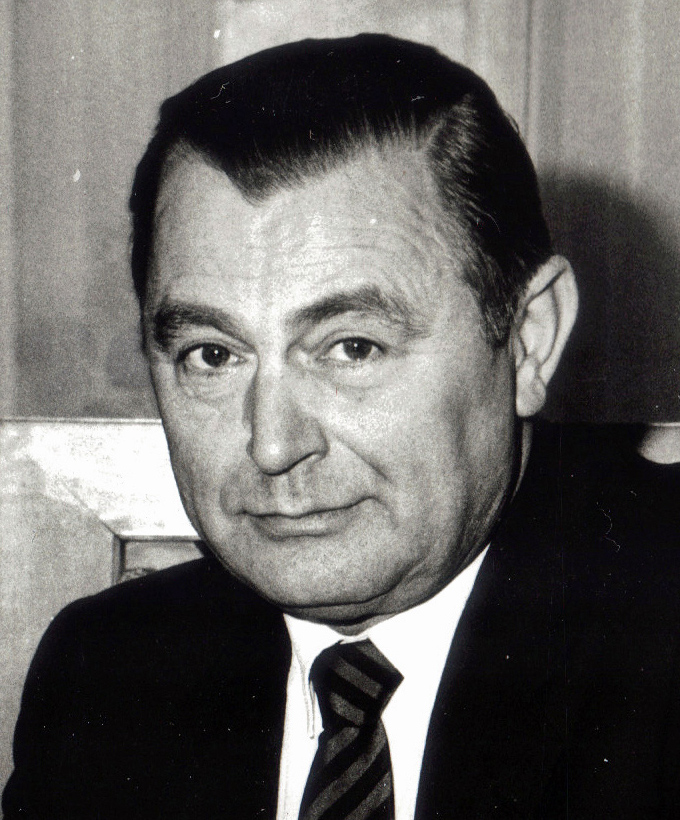

Political career and roles
Messner was a member of the Central Committee of the Polish United Workers' Party from 1981 to 1988, a period marked by economic strain and political tension in Poland. He served as deputy prime minister from 1983 to 1985 and was appointed prime minister in 1985, holding that office until 1988. During his term he led the Council of Ministers and was responsible for implementing government economic policy and managing day-to-day state administration.
Context and policies
The mid-1980s were a difficult era for centrally planned economies in Eastern Europe. Messner's government operated amid continuing shortages, budgetary pressures, and calls for change from workers, the independent trade union movement and intellectuals. As an economist by training, he was involved in efforts to stabilise state finances and oversee industrial and agricultural planning, while the party retained tight political control over major decisions.
Notable facts and succession
- Member of the Central Committee of the Polish United Workers' Party (1981–1988).
- Deputy prime minister: 1983–1985.
- Prime minister of the Polish People's Republic: 1985–1988; he succeeded Wojciech Jaruzelski and was followed by Mieczysław Rakowski.
- Known as a figure who combined economic expertise with a role in the communist party leadership.
Messner's tenure is often viewed in the wider frame of Poland's gradual movement from a centrally planned system toward the political negotiations and economic transformations that culminated a few years later. His government preceded the events of 1989 which brought broad political change to Poland and the region.
After leaving the premiership in 1988 he stepped back from frontline government roles. Histories of late-communist Poland treat his period in office as part of the closing chapter of the People's Republic, when technocratic leaders sought to manage persistent economic difficulties while the broader political order faced growing pressures for reform.
For concise reference, Messner is remembered both as a trained economist and as a senior official in the ruling communist party during a pivotal decade in Poland's modern history. For further reading on the party and the era see background sources on the Polish United Workers' Party and the economic challenges of 1980s Poland: economist, Central Committee.
Author
AlegsaOnline.com Zbigniew Messner: Polish economist and prime minister (1985–1988) Leandro Alegsa
URL: https://en.alegsaonline.com/art/133294