
Yaroslav I of Kiev: Grand Prince, Legal Reformer and Patron of Church and Culture
Yaroslav I of Kiev (Yaroslav the Wise): Grand Prince who unified Kievan Rus, codified laws in the Russkaya Pravda, and sponsored churches, literacy and diplomacy. Explore his legal reforms, dynastic struggle and cultural legacy.
Yaroslav I (c. 978 – February 20, 1054), commonly called Yaroslav the Wise, was a medieval ruler who held power in Novgorod and later became Grand Prince of Kiev. During his reign the principal regions of early East Slavic polity were for a time united under his leadership, and his government is associated with significant legal, cultural, and diplomatic activity.
Image gallery
10 Images


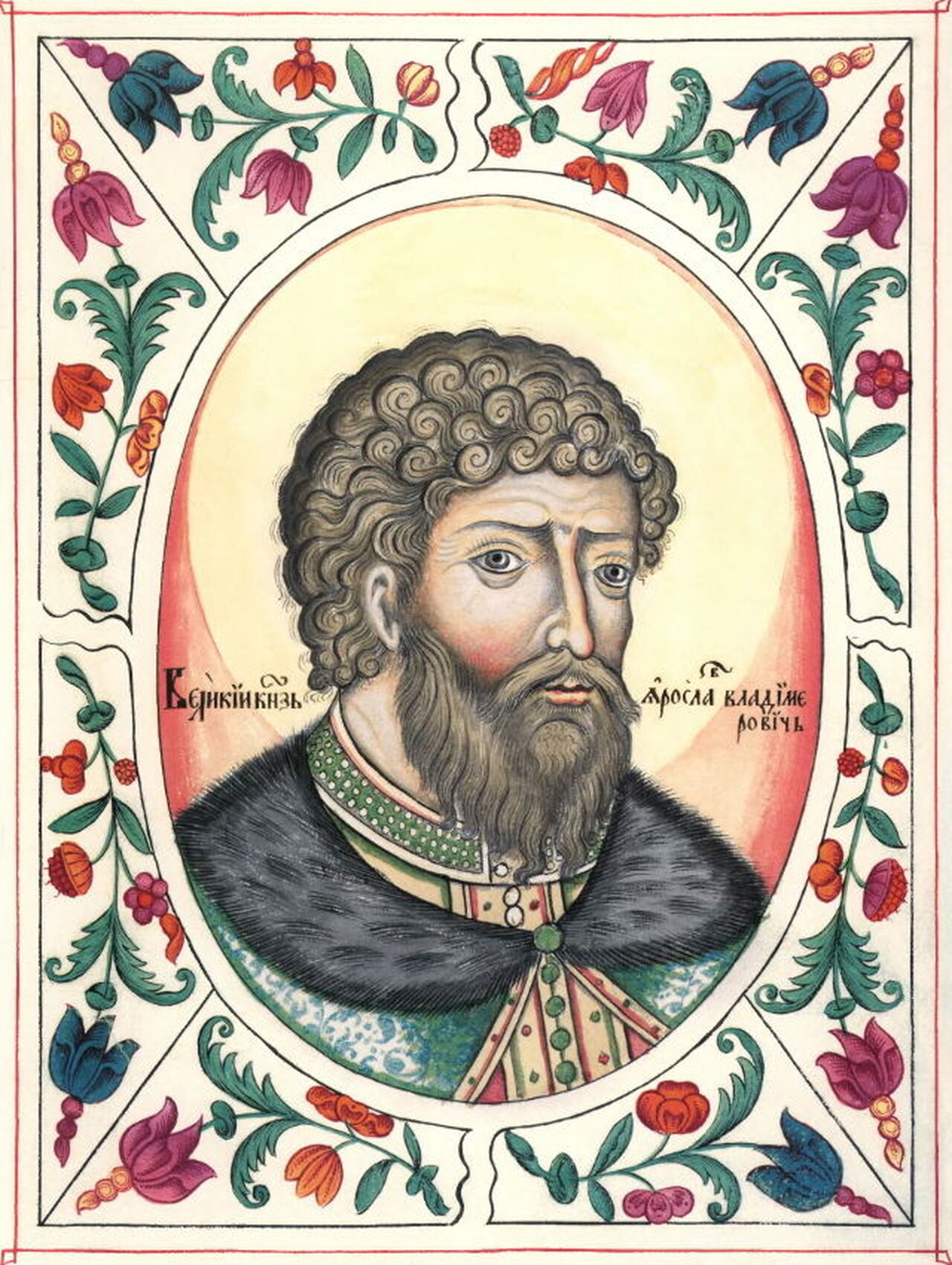


Family background and early rule
Yaroslav was a son of Vladimir the Great, the Varangian-born Grand Prince who converted Kievan leaders to Christianity. At the time of Vladimir’s death in 1015, Yaroslav was serving as his father's representative in Novgorod. The death of Vladimir triggered a violent contest for succession among his sons.
Struggle for the Kievan throne
Yaroslav’s eldest surviving brother, Svyatopolk—often called Svyatopolk the Accursed—seized control of Kiev and is reported to have had several brothers killed to secure his position. Yaroslav marshalled support from Novgorod and enlisted the aid of Varangian mercenaries to oppose him. After several confrontations, Yaroslav defeated Svyatopolk and established himself as Grand Prince of Kiev in 1019.
Government, law and foreign policy
As ruler, Yaroslav promoted the recording and systematization of customary law. These compilations formed the foundation of the legal collection known as the Russkaya Pravda (“Russian Justice”), which influenced justice and administration in the region for generations.
- He pursued active diplomatic contacts with other states, using marriage alliances and envoys to strengthen ties with European courts.
- His reign saw the patronage of church construction and clerical institutions, which helped consolidate Christianity and literacy in the realm.
Reputation and historical significance
Contemporary and later accounts emphasize that under Yaroslav’s leadership Rus' experienced a period of cultural development and increased international standing. He is remembered for legal reform, the encouragement of learning and religious life, and for stabilizing the political order he inherited after a turbulent succession.
Author
AlegsaOnline.com Yaroslav I of Kiev: Grand Prince, Legal Reformer and Patron of Church and Culture Leandro Alegsa
URL: https://en.alegsaonline.com/art/133143