
Wilt Chamberlain: life, career, records and legacy
Comprehensive overview of Wilt Chamberlain — his career, playing style, major records (including the 100‑point game), teams, awards and enduring influence on basketball.
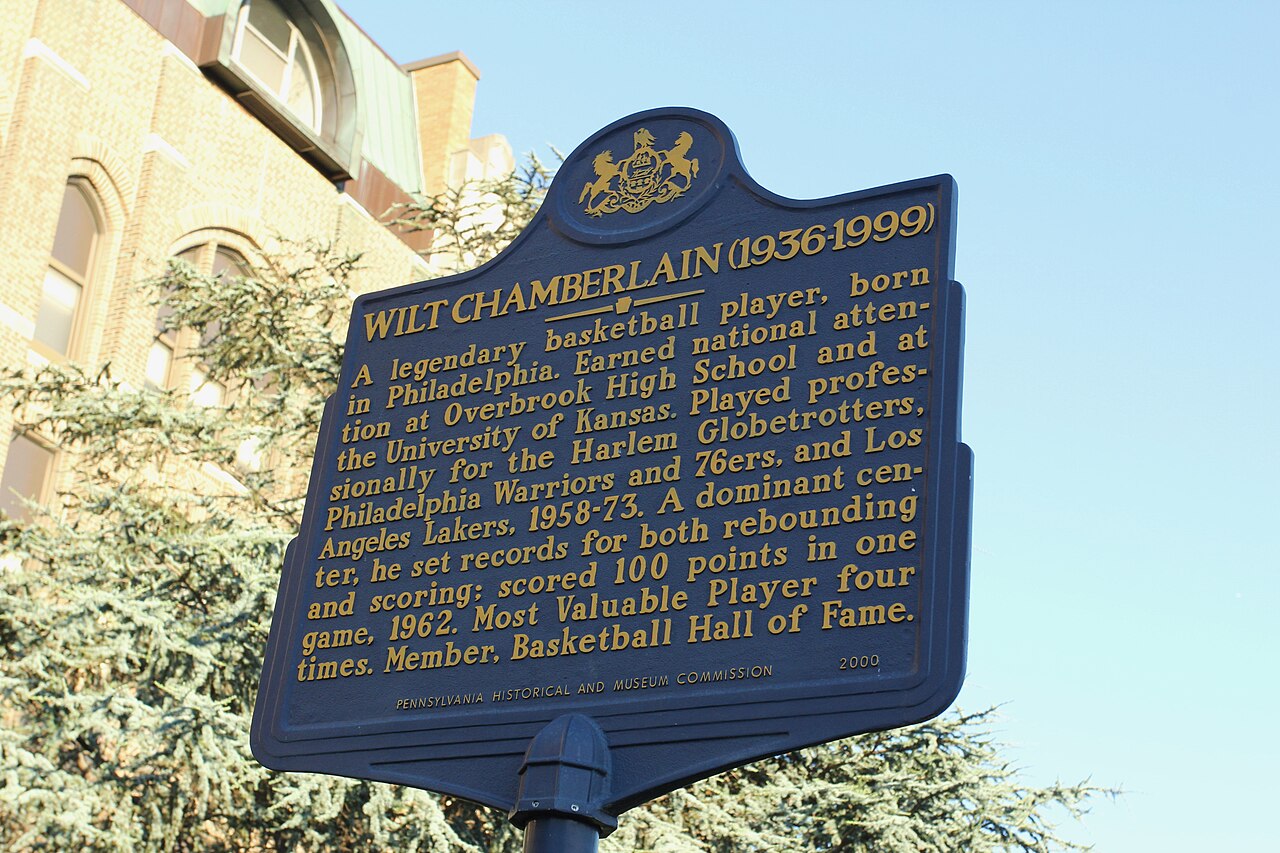
Wilton "Wilt" Chamberlain was one of the most dominant figures in professional basketball during the 1960s and early 1970s. Born on August 21 and raised in the United States (1936), he became famous for his size, athleticism and statistical achievements. Chamberlain died on October 12 (1999) and is widely remembered as a player who redefined what a single athlete could accomplish on the court.
Image gallery
10 Images




Overview and early life
Standing over seven feet tall, Chamberlain combined rare physical gifts with competitive intensity. He played college basketball at the University of Kansas before a brief professional stint with the Harlem Globetrotters and then a long career in the NBA. He is commonly described as an American (national) basketball (sport) legend whose presence prompted changes in rules and strategies across the game.
Teams and achievements
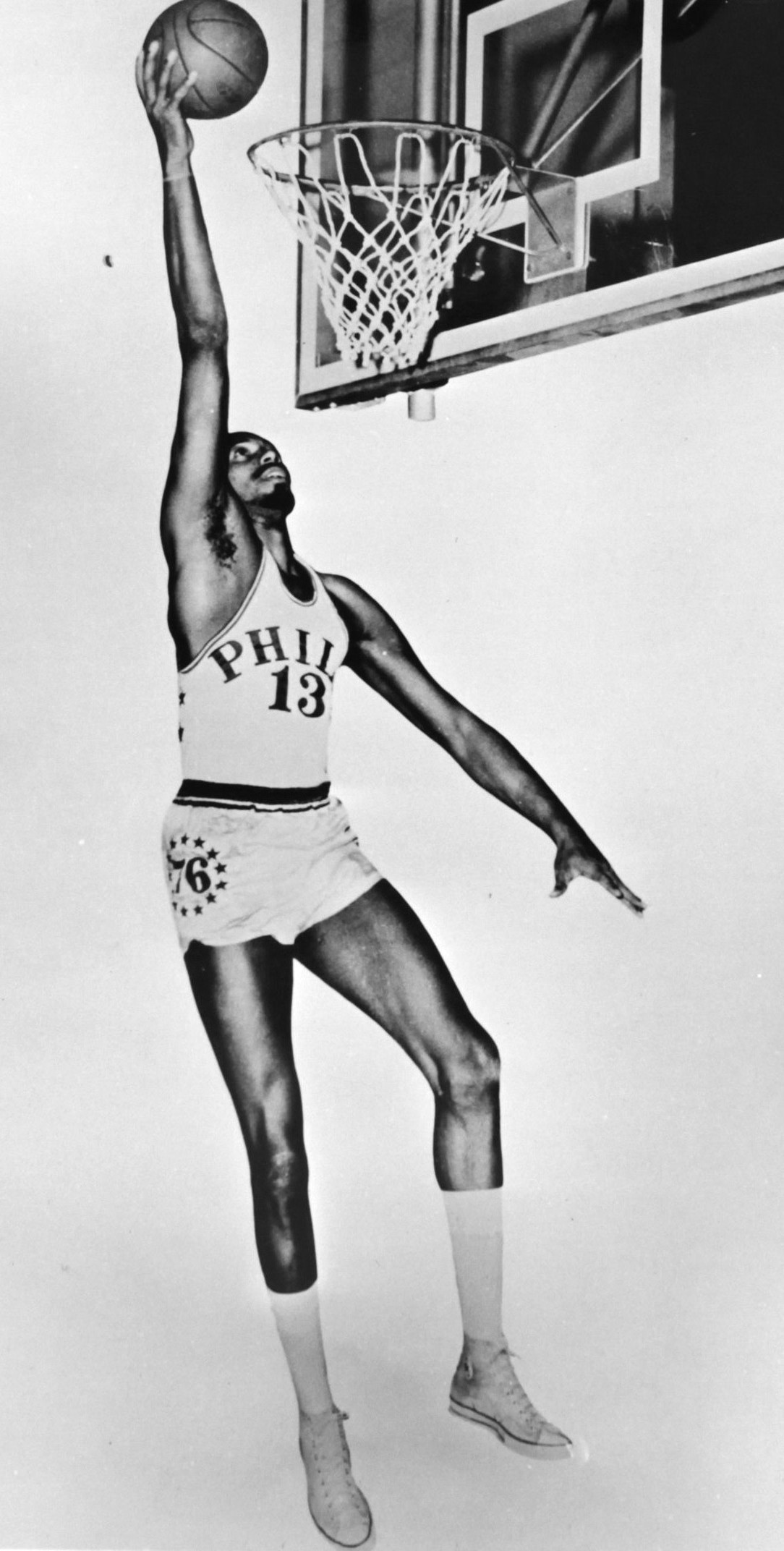
Chamberlain spent his professional career with several teams and earned many individual honors. His most notable team stops included the Philadelphia Warriors, the Philadelphia 76ers and the Los Angeles Lakers. He won multiple league MVP awards and captured two team championships, once with Philadelphia and once with Los Angeles. He was elected to the Basketball Hall of Fame and is frequently listed among the greatest players of all time.
- Philadelphia 76ers — championship season and dominant performances
- Los Angeles Lakers — later-career championship
- Harlem Globetrotters — early professional experience and exposure
Records and playing style
Chamberlain set records that still capture public imagination. Most famously, he scored 100 points in a single NBA game, a feat no other player has matched in the league. He led the league many times in scoring and rebounds, and his ability to play heavy minutes changed how teams used and rested their stars. Chamberlain combined strength, agility and stamina in ways that were uncommon for players of his size; defenders and coaches had to devise new strategies to contain him.
Legacy and notable facts
Beyond record books, Chamberlain's career prompted rule changes and influenced how teams valued big men. Later writers and analysts debate exact rankings among great players, but few dispute his statistical dominance and cultural impact. He left a complex legacy that includes extraordinary individual records, team success, and a lasting influence on the sport's tactics and popularity.
Why he remains important
Chamberlain's career remains a reference point when discussing athletic dominance, longevity and the evolution of basketball. His accomplishments — from game‑to‑game performances to career honors — continue to be cited in discussions about player value, rulemaking and the history of professional basketball. For more detailed biographical and statistical resources, consult primary archives and historical accounts linked above.
Author
AlegsaOnline.com Wilt Chamberlain: life, career, records and legacy Leandro Alegsa
URL: https://en.alegsaonline.com/art/133047