
Will Keith Kellogg (1860–1951)
American food industrialist and philanthropist who commercialized breakfast cereals and founded the Kellogg Company; known for business innovations and the W.K. Kellogg Foundation.
Overview
Will Keith Kellogg, commonly known as W.K. Kellogg, was an American food industrialist and philanthropist best known for turning a simple toasted cereal into a national breakfast product and for founding the business that became the Kellogg Company. His work helped shape mass-produced packaged foods and modern breakfast habits in the United States.
Image gallery
3 Images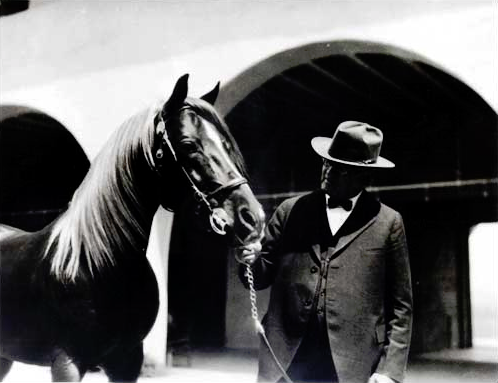


Early life and family
Kellogg was born on April 7, 1860, in Battle Creek, Michigan. He grew up in a family that valued practical skills and enterprise. His older brother, John Harvey Kellogg, was a physician who operated the Battle Creek Sanitarium; the two men initially collaborated on food experiments there. Will Kellogg later married Ella Osborn Davis (their marriage lasted until her death in 1912) and they had five children; he remarried in 1918 to Carrie Staines.
Business career and innovations
During the late 19th and early 20th centuries, Kellogg developed methods to mass-produce toasted cereal flakes and to package them for retail sale, emphasizing convenience, nutrition claims, and advertising to households. His approach combined food processing techniques with new marketing strategies, helping to transform cereals from a local curiosity into a staple breakfast item. These activities established him as an industrialist in the expanding processed-food sector.
Philanthropy and public work
Kellogg devoted a significant portion of his wealth to philanthropic causes, with a focus on children's welfare, education, and rural community development. He created charitable endowments that supported schools, health initiatives, and community projects. In doing so he helped institutionalize organized philanthropy in the region and beyond.
Legacy and distinctions
Kellogg died on October 6, 1951, in Battle Creek at the age of 91. His legacy includes not only a major food company but also lasting philanthropic institutions and an influence on American eating habits. Notable aspects include:
- The commercialization and marketing model for breakfast cereals.
- Establishment of philanthropic trusts and grants supporting children and education.
- A family story marked by collaboration and later differences with his brother, who remained more focused on medical and wellness work at the sanitarium.
For additional context on his life and enterprises, consult historical summaries and institutional histories related to Battle Creek, the Kellogg business, and 20th-century American food industry development.
Author
AlegsaOnline.com Will Keith Kellogg (1860–1951) Leandro Alegsa
URL: https://en.alegsaonline.com/art/133031