
William Sterndale Bennett
English Romantic composer (1816–1875), pianist and educator; noted for piano and orchestral works, his role in Victorian musical life, and for fostering conservatory standards in Britain.
William Sterndale Bennett was an English composer, pianist and musical leader of the Romantic era, born in Sheffield and baptized on 13 April 1816. He died in London on 1 February 1875. Bennett combined a composer's craft with active work as a performer, teacher and administrator, and he was an important figure in the revival and development of serious music in Victorian Britain.
Image gallery
10 Images
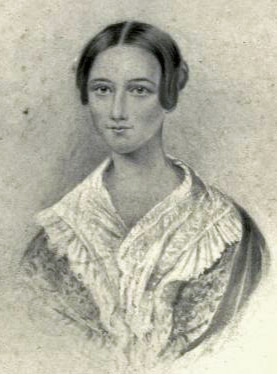


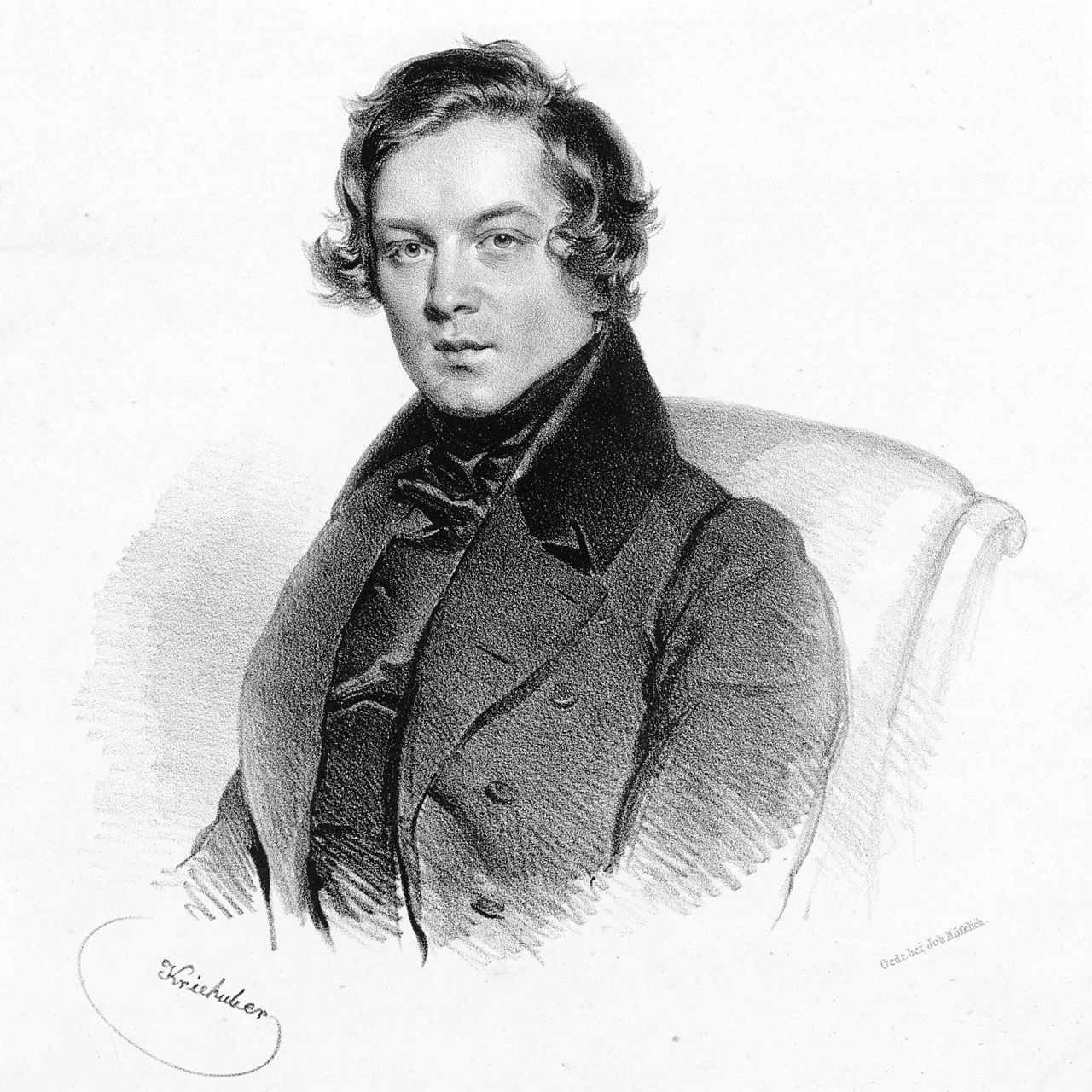


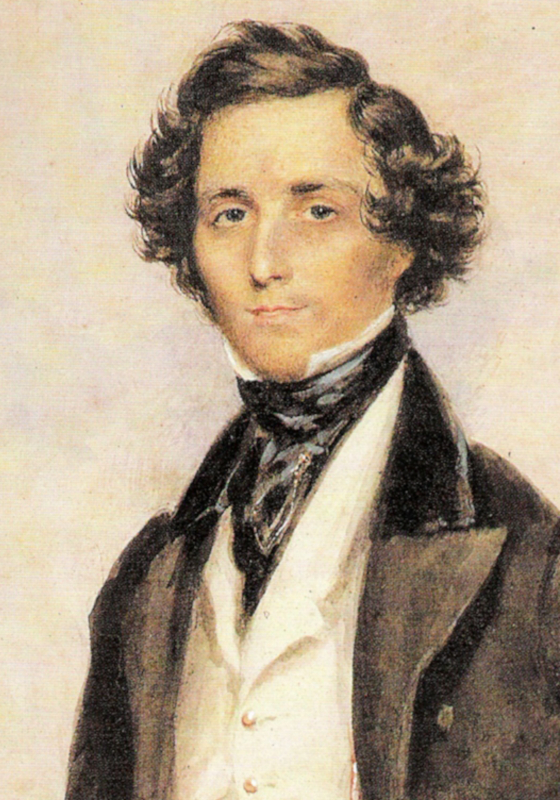
Life and career
Bennett received early musical training in England and spent formative years on the Continent where he encountered German Romanticism. He developed close professional ties with leading European musicians of his day, which shaped his taste and technique. Returning to Britain, he took on roles that stretched beyond composition into conducting, academic teaching and institutional leadership, helping to raise standards for performance and music education.
Music and style
His output is varied: concise piano pieces, larger-scale orchestral works including concerted writing, chamber music and church and choral compositions. Critics and audiences noted his emphasis on clear structure, lyrical melody and refined harmonic language. While influenced by continental models, his music kept a distinct English elegance and formal restraint rather than the extreme chromaticism of some contemporaries.
Works and roles
- Primary genres: piano solo, orchestral works, chamber music, choral and sacred pieces.
- Professional roles: performer, conductor, conservatory teacher and institutional leader.
- Advocacy: promoted performance standards, repertoire expansion and musical training in Britain.
Although his reputation declined for a time in the 20th century, later generations have reassessed his contribution. Recordings and scholarly interest have helped restore Bennett’s place as a representative English Romantic master whose teaching and institutional work had long-term effects on British musical life.
Author
AlegsaOnline.com William Sterndale Bennett Leandro Alegsa
URL: https://en.alegsaonline.com/art/132991