
William Moulton Marston: Psychologist, Inventor, and Creator of Wonder Woman
Overview of William Moulton Marston (1893–1947): his psychology research, contribution to early lie-detection, creation of Wonder Woman under the pen name Charles Moulton, and his cultural legacy.
Overview
William Moulton Marston (May 9, 1893 – May 2, 1947) was an American psychologist, author and comic-book creator. He is widely remembered for developing an early method that contributed to modern polygraph testing and for creating the comic-book heroine Wonder Woman under the pen name Charles Moulton. Marston combined academic interests in emotion and behavior with popular storytelling, producing work that crossed psychology, self-help and mass entertainment.
Image gallery
2 Images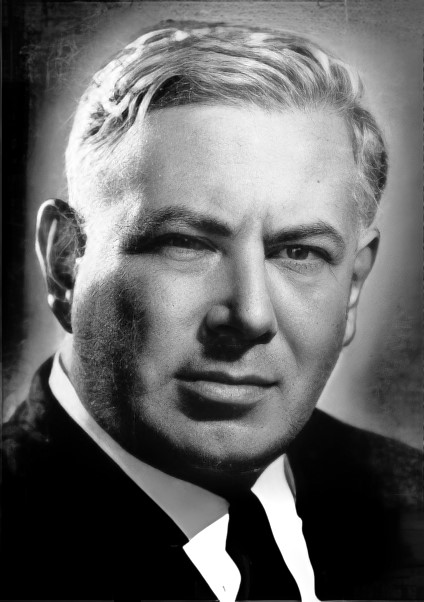
Research and scientific contributions
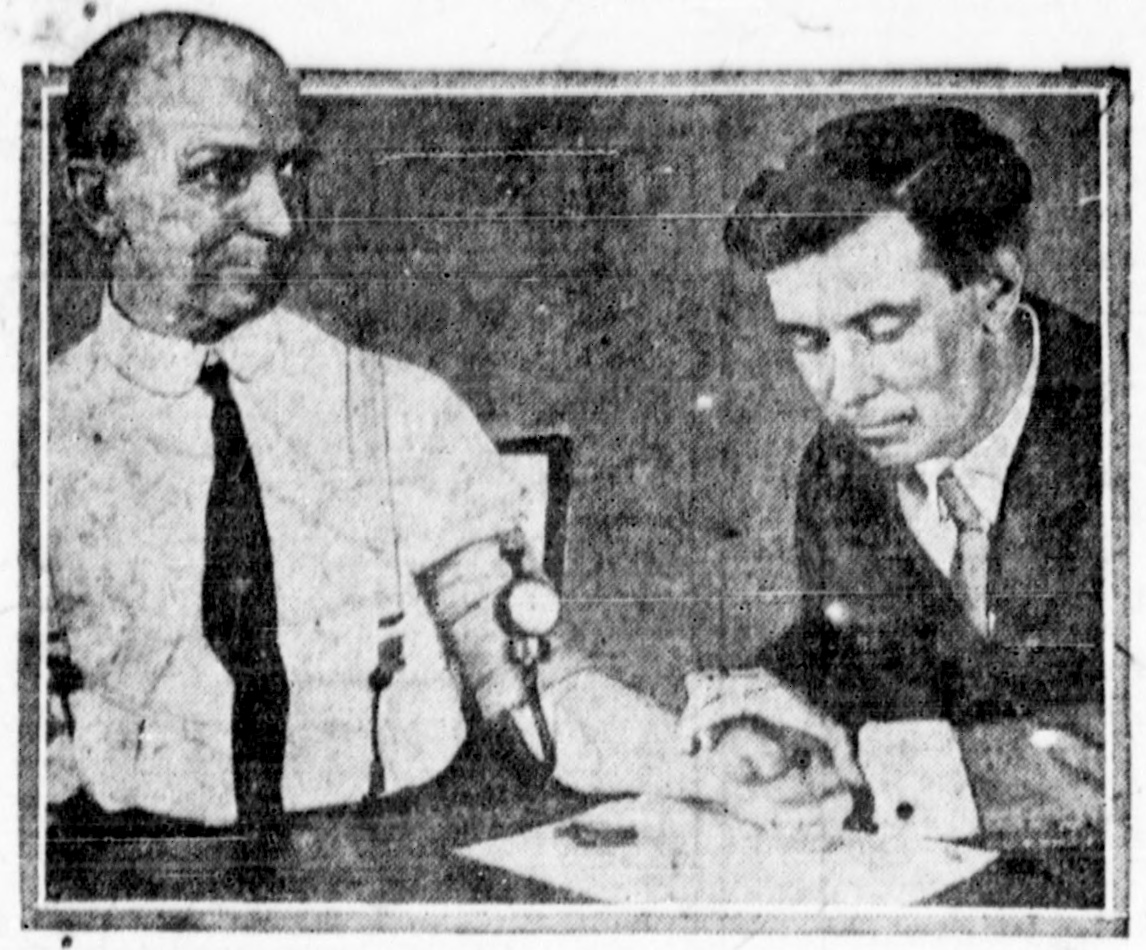
Trained in psychology, Marston explored how emotions and physiological responses relate to truth-telling and deception. His experiments and writings influenced techniques that use blood-pressure and other physiological measurements to detect deception. He also wrote on temperament and behavior, developing categories of personality often summarized today by the DISC model. His psychological work was presented in books and articles aimed at both specialists and the general public; one of his better-known academic books discussed emotions and normal personality traits.
Creation of Wonder Woman
In the early 1940s Marston entered the emerging comic-book field. Using the pseudonym Charles Moulton, he created Wonder Woman, a character introduced as an Amazonian princess endowed with strength, intelligence and a mission to promote justice and compassion. Marston wrote the character's early stories and shaped her moral and psychological outlook. His writing frequently emphasized themes of peaceful resolution, the value of love, and the potential power of women, ideas that made Wonder Woman distinctive among contemporary superheroes.
Writing style, themes and public reaction
Marston's storytelling blended adventure with didactic passages on psychology and social reform. Some elements of the early comics—such as scenes involving restraint and bondage—have prompted critical discussion and scholarly interest. At the same time, many readers and critics have celebrated Wonder Woman as an early and influential feminist icon whose popularity helped keep female heroism visible in mainstream comics.
Personal life and legacy
Marston's personal life drew attention during and after his career. He lived and worked in a household that included his wife and a longtime partner; both women influenced his thinking and the visual and ideological design of his heroine. After his death in 1947, Wonder Woman endured as a major pop-culture figure, appearing in comic books, television, film and scholarship. Marston's dual legacy—in psychological research and in popular culture—continues to be studied by historians of science, media and gender.
Further reading and context
- For his academic perspective see discussions of Marston's work in psychology and his book on emotions. Psychology overview
- For his role in comics and popular culture consult studies of early comic-book history and Wonder Woman's development. Comics and media
- Profiles and biographies examine both the creative and personal aspects of his life, including the people who inspired his characters. Wonder Woman and legacy
Author
AlegsaOnline.com William Moulton Marston: Psychologist, Inventor, and Creator of Wonder Woman Leandro Alegsa
URL: https://en.alegsaonline.com/art/132962