
William II of England (William Rufus)
King of England from 1087 to 1100, second son of William the Conqueror; noted for strong royal finance and administration, conflicts with church and nobility, and a controversial death in the New Forest.
Overview
William II (circa 1056–2 August 1100), commonly called William Rufus, ruled England from 1087 until his death. He was the second surviving son of William the Conqueror and Matilda of Flanders. On his father's death he took the English crown while his elder brother received Normandy, a division that shaped Anglo-Norman politics for the remainder of the century. He left no legitimate heirs and was succeeded by his younger brother, Henry.
Image gallery
10 Images


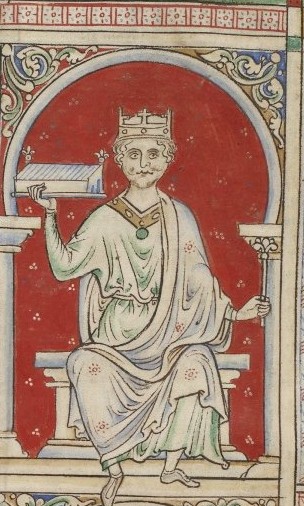


Reign and government
William II is often described as a forceful and sometimes harsh monarch. He continued and expanded many policies begun under his father: strengthening royal authority, asserting fiscal rights, and relying on a central cadre of trusted officials and sheriffs to collect revenues and administer justice. He was willing to use fines, forest rights and the profits of vacant bishoprics to finance the crown, measures that earned him both immediate resources and long-term hostility from some barons and clerics.
His rule saw a mixture of administrative development and political friction. Castles and royal holdings were maintained to secure control, while periodic revolts and baronial dissent required negotiation or force. William’s relationships with leading magnates and with his brothers shaped many of the military and diplomatic episodes of his reign.
Church and controversy
William frequently came into conflict with church leaders over appointments, privileges and revenues. Contemporary chroniclers portray him as unsympathetic to ecclesiastical claims of independence, and several bishops and archbishops clashed with royal power. These disputes contributed to the crown’s difficult relations with the wider reforming movement in the Latin Church of the time.
Death and succession
On 2 August 1100 William II died while hunting in the New Forest. An arrow struck him during a hunting party that included the nobleman Walter Tirel; Tirel quickly fled to Normandy. Whether the killing was a hunting accident or the result of a plotted assassination has been debated ever since—contemporary evidence is ambiguous and later chroniclers expressed suspicion. The king’s sudden death allowed his younger brother Henry to move swiftly, secure the royal treasury, and claim the crown.
Legacy and notable facts
- Often called William Rufus—"the Red"—possibly for his complexion or hair, though the exact origin of the nickname is uncertain.
- Remembered for strong fiscal measures and assertive royal administration, but also for strained relations with churchmen and many nobles.
- Death in the New Forest remains one of the era’s most discussed mysteries and influenced the rapid transfer of power to Henry I.
Historical assessments vary: medieval writers tended to record his faults and excesses, while modern scholars see a complex ruler whose policies reinforced royal institutions even as they provoked opposition. For further overview and sources, see scholarly summaries and editions that focus on Anglo-Norman England and the reigns of the Conqueror’s sons.
Author
AlegsaOnline.com William II of England (William Rufus) Leandro Alegsa
URL: https://en.alegsaonline.com/art/132940