
William Henry Hudson: naturalist, ornithologist and novelist
William Henry Hudson (1841–1922), Argentine-born British writer and naturalist, blended careful field observation with lyrical prose; best known for the novel Green Mansions and influential nature writing and ornithology.
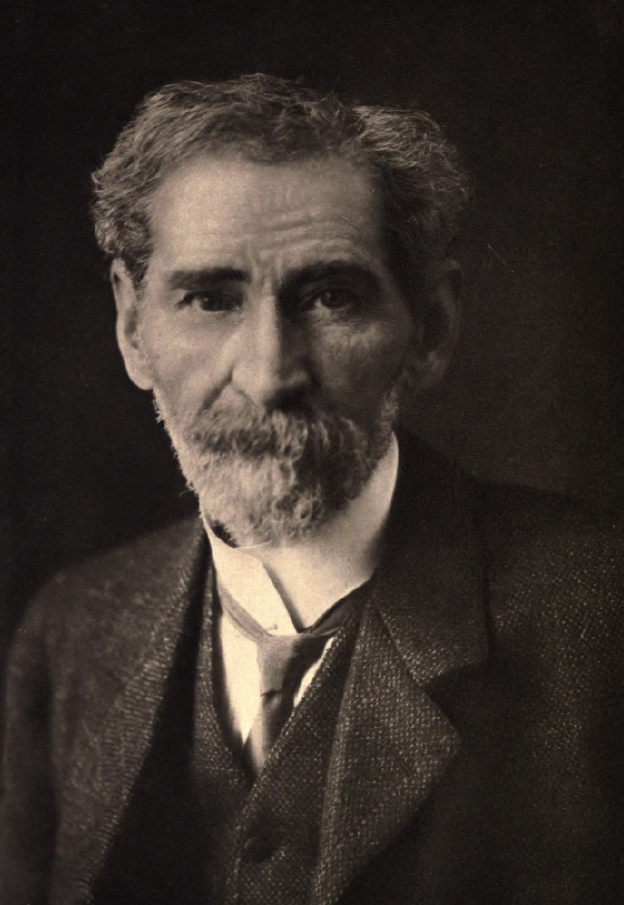
William Henry Hudson (4 August 1841 – 18 August 1922) was a prominent writer and naturalist whose work bridged literary and scientific genres. Born in the Río de la Plata region, he spent his early years amid South American countryside and later lived in England, writing in English about wild landscapes, birds and human experience. He is commonly cited by the initials W. H. Hudson.
Image gallery
5 Images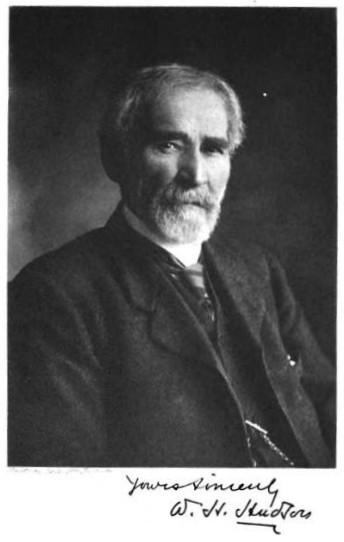


Life and background
Hudson's childhood in a rural, mixed-language environment informed much of his descriptive detail and sense of place. His understanding of plants, animals and seasons came from practical experience in the field rather than formal academic training. As an adult resident in Britain, he published novels, memoirs and natural history essays that drew on memories of South America and on careful observation of British wildlife.
Writings and literary style
Hudson combined scientific observation with evocative, often nostalgic prose. His best-known novel, Green Mansions, tells a lyrical story set in the South American forest and introduces the character Rima; the book later reached a wider audience through stage and film adaptations, including a mid-20th-century motion picture. He also wrote autobiographical and natural-history works that describe childhood landscapes and the behavior of animals in detail. Readers and critics have long noted his ability to make field observation feel immediate and emotionally resonant.
Natural history and ornithology
Hudson trained himself as an observer of birds and other wildlife and published many essays and articles on avian behavior, migration and identification. His approach emphasized patient fieldwork, clear descriptive prose and an effort to convey not only facts but the lived experience of encountering wild creatures. This combination made his work valuable both to general readers and to those interested in ornithology and conservation. For more on his role as a naturalist, see naturalist and for his ornithological interests see ornithologist.
Themes, influence and legacy
Recurring themes in Hudson's writing include the tension between wild and cultivated landscapes, a wistful remembrance of childhood environments, and concern about ecological change. His books helped popularize nature writing in the English language and are often cited as precursors to later conservation-minded literature. Green Mansions remains his most widely known literary work, while his essays and memoirs continue to be read by those interested in the history of natural history and nature writing.
Selected points
- He wrote in a style that blends scientific detail with literary description.
- He made sustained field observations of birds and other wildlife and communicated them to a broad readership.
- His best-known novel, Green Mansions, helped secure his literary reputation beyond natural-history circles.
Author
AlegsaOnline.com William Henry Hudson: naturalist, ornithologist and novelist Leandro Alegsa
URL: https://en.alegsaonline.com/art/132930