
William Foege: Architect of Smallpox Eradication and Public Health Leader
William H. Foege (born 1936) is an American epidemiologist credited with the surveillance-and-containment strategy that helped end smallpox; he later led the CDC and advanced global public health.
William Herbert Foege (born 1936) is an American epidemiologist widely recognized for his role in the global effort that ended naturally occurring smallpox. Trained as a physician and public health practitioner, Foege is credited with developing and implementing an approach—often called surveillance and containment or "ring" vaccination—that focused limited resources to interrupt transmission rather than mass vaccination alone. His career blended field epidemiology, program leadership, and public advocacy.
Image gallery
3 Images

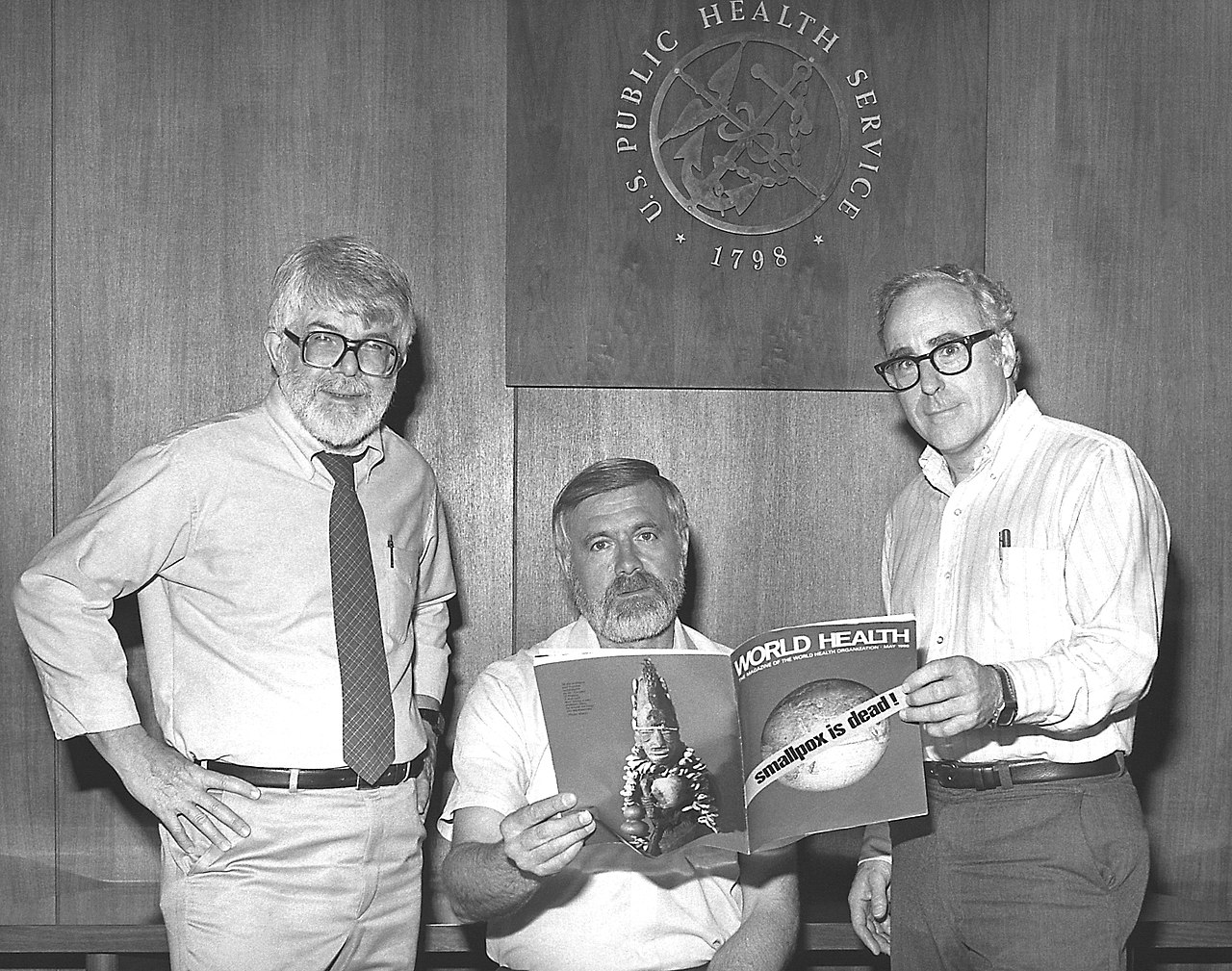
Overview of contributions
Foege’s central contribution was practical and strategic: he demonstrated that careful case finding, rapid response to outbreaks, and targeted vaccination of contacts could stop chains of infection. This method became a core tactic during the last phase of the smallpox eradication campaign and influenced later outbreak-control programs. His work is frequently cited in discussions of effective, resource-conscious public health interventions.
Career and roles
After early field assignments in developing countries, Foege held leadership roles within U.S. public health institutions, including senior positions at the U.S. Centers for Disease Control and Prevention. He combined on-the-ground experience with program management, teaching, and writing, helping translate lessons from eradication campaigns into policies for broader global health work.
Importance and legacy
The smallpox campaign is often used as a model for ambitious international health programs. Foege’s emphasis on surveillance, rapid action, and community engagement shaped subsequent control efforts for other vaccine-preventable and emerging infections. He has been an influential voice in public health ethics, resource allocation, and the importance of data-driven decisions.
Notable facts and recognition
- Often described as a primary architect of the final smallpox eradication strategy; background on his life and work can be found in biographical sources: William H. Foege biography.
- The smallpox program and its outcomes are covered in global health histories and summaries: smallpox eradication.
- Beyond eradication, Foege has advised governments, international organizations, and philanthropic initiatives and has written and lectured widely on public health practice and policy.
Understanding Foege’s career offers lessons in how pragmatic tactics, clear operational goals, and strong field surveillance can achieve large public health gains even when resources are limited. His experience continues to inform outbreak response and vaccination strategy discussions in contemporary public health planning.
Author
AlegsaOnline.com William Foege: Architect of Smallpox Eradication and Public Health Leader Leandro Alegsa
URL: https://en.alegsaonline.com/art/132914