
Wes Anderson: Filmmaker, Style, and Notable Works
American director Wes Anderson (born 1969) is noted for symmetrical visuals, meticulous production design, ensemble casts and deadpan humor. His films include The Grand Budapest Hotel, Moonrise Kingdom, and Fantastic Mr. Fox.
Overview
Wesley Wales "Wes" Anderson (born May 1, 1969) is an American film director, writer and producer celebrated for a distinctive, highly stylized approach to narrative cinema. He emerged in the 1990s and built a reputation for intimate comedies and dramas that blend melancholy, precise visual design, and whimsical storytelling. For a concise biographical overview see his biography.
Image gallery
5 Images

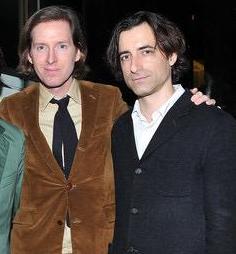

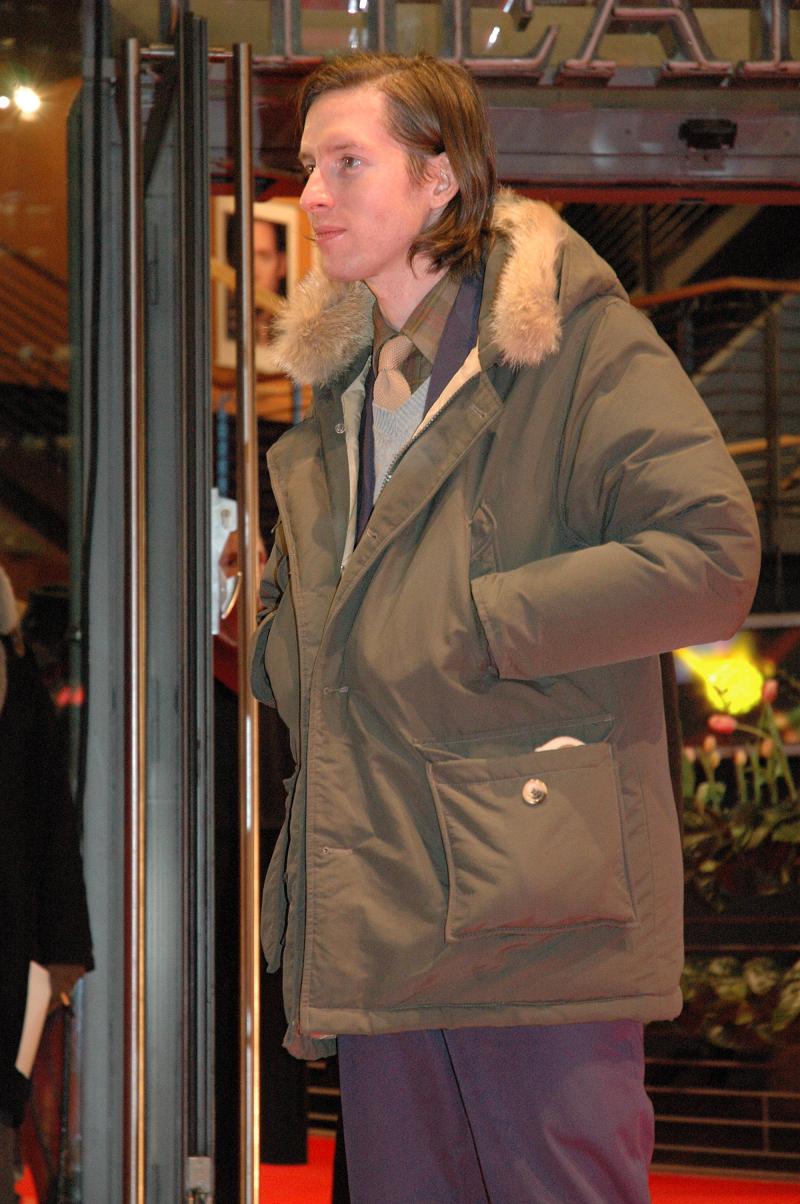
Style and recurring traits
Anderson's films are known for rigidly symmetrical framing, carefully chosen color palettes, and sets that resemble stage designs or dioramas. He frequently uses dry, deadpan dialogue and melancholic humor, pairing ordinary family conflicts with elaborate production details. Directors, critics, and fans often point to his use of stop-motion animation, miniature sets, and layered soundtracks as signatures of his aesthetic. In 2015 he extended his design sensibility to real-world interiors by designing the Prada Cafè Bar Luce in Milan — a project discussed at Prada's site.
Notable films
- Bottle Rocket (1996) — Anderson's debut feature, co-written with Owen Wilson, introduced his comic tone and ensemble casting.
- Rushmore (1998) — A quirky coming-of-age story that increased his profile.
- The Royal Tenenbaums (2001) — A family saga noted for its artful sets and deadpan humor; Anderson earned an Academy Award nomination for original screenplay (screenplay nomination).
- Fantastic Mr. Fox (2009) — A stop-motion adaptation that received an Academy Award nomination for Best Animated Feature (Fantastic Mr. Fox).
- Moonrise Kingdom (2012) — A tale of young love and escape; it brought another original screenplay nomination (Moonrise Kingdom).
- The Grand Budapest Hotel (2014) — A period caper that won multiple Academy Awards in technical categories and reinforced Anderson's international reputation.
Collaborators and methods
Anderson frequently assembles an ensemble of actors and a stable creative team. Regular performers include Bill Murray, Jason Schwartzman, Owen and Luke Wilson, Anjelica Huston and Tilda Swinton. He often works with cinematographers, composers and production designers who help realize his precise visual language. His films mix live-action and stop-motion techniques, and his scripts balance scripted beats with carefully choreographed camera moves.
Legacy and influence
Wes Anderson's work has influenced filmmakers, designers and advertisers, inspiring interest in miniature models, color-driven palettes and theatrical set design. Critics praise his singular voice, while some viewers note the polarizing effect of his stylization. Beyond film, Anderson's aesthetic has crossed into exhibition and commercial projects, underscoring the crossover between cinematic composition and broader visual culture.
Further reading
For a deeper dive into individual works, themes and critical responses, consult film studies texts and curated retrospectives. Additional resources and interviews are available online at biographical pages and through film festival archives. See also details about specific films and awards at the links above.
Author
AlegsaOnline.com Wes Anderson: Filmmaker, Style, and Notable Works Leandro Alegsa
URL: https://en.alegsaonline.com/art/132837