
Bouaké — central Ivorian city and regional hub
Bouaké, the second-largest city in Ivory Coast, is a central transport, trade and education center. This article outlines its location, history, economy, culture and notable facts.
Overview
Bouaké is the second-largest city in the Ivory Coast and an important urban center in the country’s interior. Located roughly 50 kilometres northeast of Lake Kossou, it serves as a commercial and administrative hub for surrounding agricultural areas. The city had a population of about 536,189 at the 2014 census and functions as a focal point for trade, education and regional services. For more on the city, see Bouaké and for national context consult Ivory Coast.
Image gallery
3 Images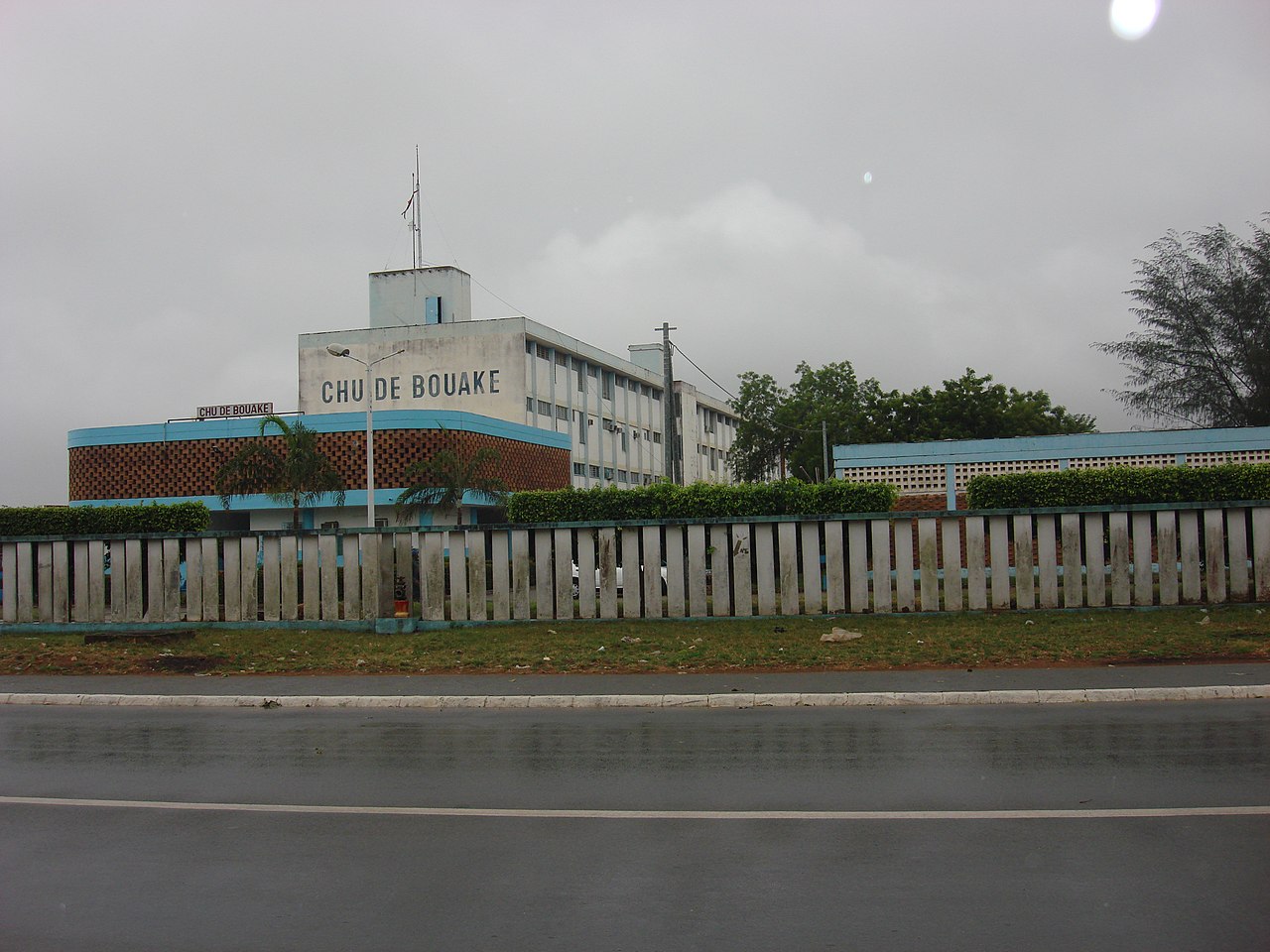


Location and characteristics
Bouaké lies in the central part of the country on relatively flat, savanna-wooded terrain. Its position on road and rail links between the economic capital and northern regions has made it a transport node. The urban area combines dense markets and commercial streets with residential neighbourhoods and peri-urban farmland where staple crops are produced.
History and development
The site grew from settlements of local peoples into a sizeable market town during the colonial era, when railway and road development expanded inland trade. In the late 20th and early 21st centuries Bouaké grew rapidly, attracting migrants from rural areas. The city was affected by national political unrest in the early 2000s, which disrupted services and economic life for a period, but it has since been rebuilding and reorienting as a regional center.
Economy and infrastructure
Bouaké’s economy is closely tied to agriculture, commerce and services. Key features include:
- large open markets and trading in cocoa, cashews, yams and cotton;
- processing and light manufacturing linked to agricultural products;
- transport connections by road and rail, and a regional airport that supports movement of people and goods;
- educational institutions that draw students and staff from across central Ivory Coast.
Culture, education and notable facts
The city hosts cultural markets, artisanal crafts and community festivals reflecting the region’s ethnic diversity. Bouaké is also a center for higher education in central Ivory Coast, with university campuses and vocational schools contributing to local life. Notable distinctions include its rank as the country’s second-largest city, its role as a transport and trade hub, and its proximity to Lake Kossou, which influences regional agriculture and ecology.
Bouaké remains an important inland counterpoint to coastal urban areas, balancing commercial activity, education and regional administration while continuing to evolve after periods of rapid change and recovery.
Related articles
Author
AlegsaOnline.com Bouaké — central Ivorian city and regional hub Leandro Alegsa
URL: https://en.alegsaonline.com/art/13283
Sources
- geohive.com : "Côte d'Ivoire"