
Wayne Shorter: Jazz Saxophonist, Composer, and Innovator
Overview of Wayne Shorter (1933–2023), his musical style, key career stages with Miles Davis and Weather Report, major recordings, influence, and honors including Grammys and the Polar Music Prize.
Overview
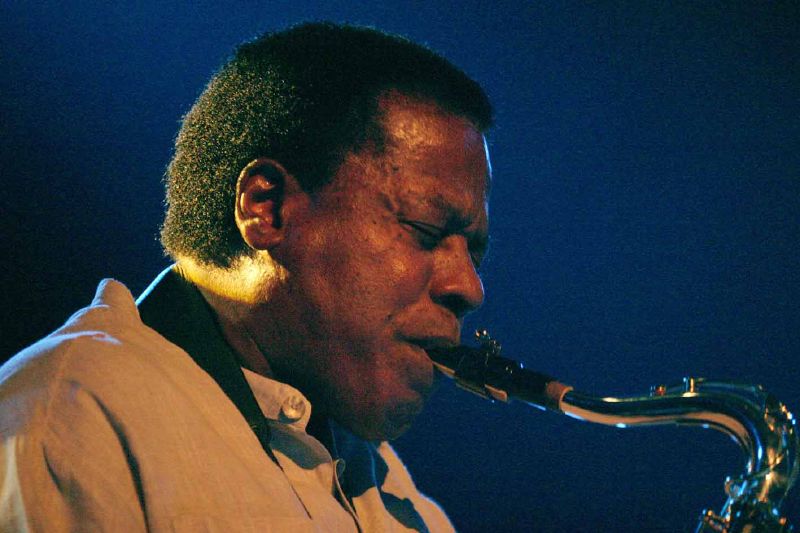
Wayne Shorter (August 25, 1933 – March 2, 2023) was an American jazz saxophonist and composer whose work helped shape modern jazz from the 1960s onward. Renowned for a distinctive, lyrical tone and advanced harmonic imagination, Shorter built a reputation both as an improviser and as one of the most important small-group composers in jazz.
Image gallery
5 Images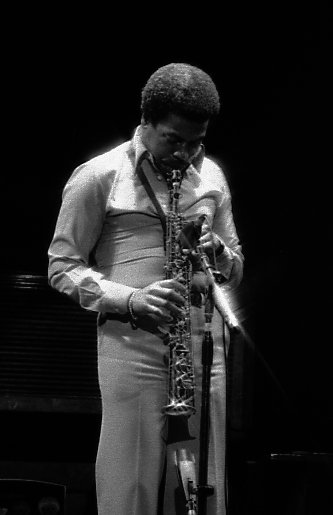


Musical approach and instruments
Shorter is best known for his work on tenor and soprano saxophones. His compositions are often noted for unusual forms, shifting modal centers and memorable, enigmatic melodies. Critics and fellow musicians have highlighted his ability to balance structured composition with open, conversational improvisation — creating pieces that reward repeated listening and interpretation.
Career and milestones
In the 1960s Shorter rose to prominence as a member of Art Blakey's Jazz Messengers and as a key voice in Miles Davis's Second Great Quintet in the mid‑1960s. His tenure in Davis's group expanded the language of small‑group jazz and showcased original compositions that became standards. After leaving Davis, Shorter co‑founded the influential jazz‑fusion group Weather Report, taking jazz into electric, genre‑blending territory alongside collaborators. He also maintained a prolific solo career, recording numerous albums as a bandleader that explored acoustic, electric and cross‑cultural directions.
Selected recordings and collaborators
- Notable leader recordings include landmark albums frequently cited by critics and peers; his work spans acoustic quartets to large ensembles.
- He collaborated with many leading figures in jazz and world music, appearing on and composing for small groups and larger projects.
Legacy, honors and influence
Shorter's influence extends across generations of players and composers. He won multiple Grammy Awards and in 2017 received the Polar Music Prize. The New York Times described him as "probably jazz's greatest living small-group composer and a contender for greatest living improviser," a reflection of his standing in the musical community. His recordings, compositions and approach to ensemble interplay continue to be studied and performed worldwide.
Further reading and context
For introductions to his work, listeners often start with recordings from his time with Miles Davis and early leader dates, then explore Weather Report's catalog to hear his contributions to fusion. Interviews and retrospectives offer additional perspective on his creative process and long career. For more on his role in jazz history, see discussions of the 1960s modern jazz developments and fusion movements led by ensembles he helped shape, including commentary tied to figures like Miles Davis.
Author
AlegsaOnline.com Wayne Shorter: Jazz Saxophonist, Composer, and Innovator Leandro Alegsa
URL: https://en.alegsaonline.com/art/132803