
Miles Davis: Life, Music, and Influence
American jazz trumpeter, bandleader and composer whose career reshaped jazz across cool, modal, hard bop and fusion; noted for Kind of Blue, Bitches Brew, innovative ensembles and lasting influence.
Overview
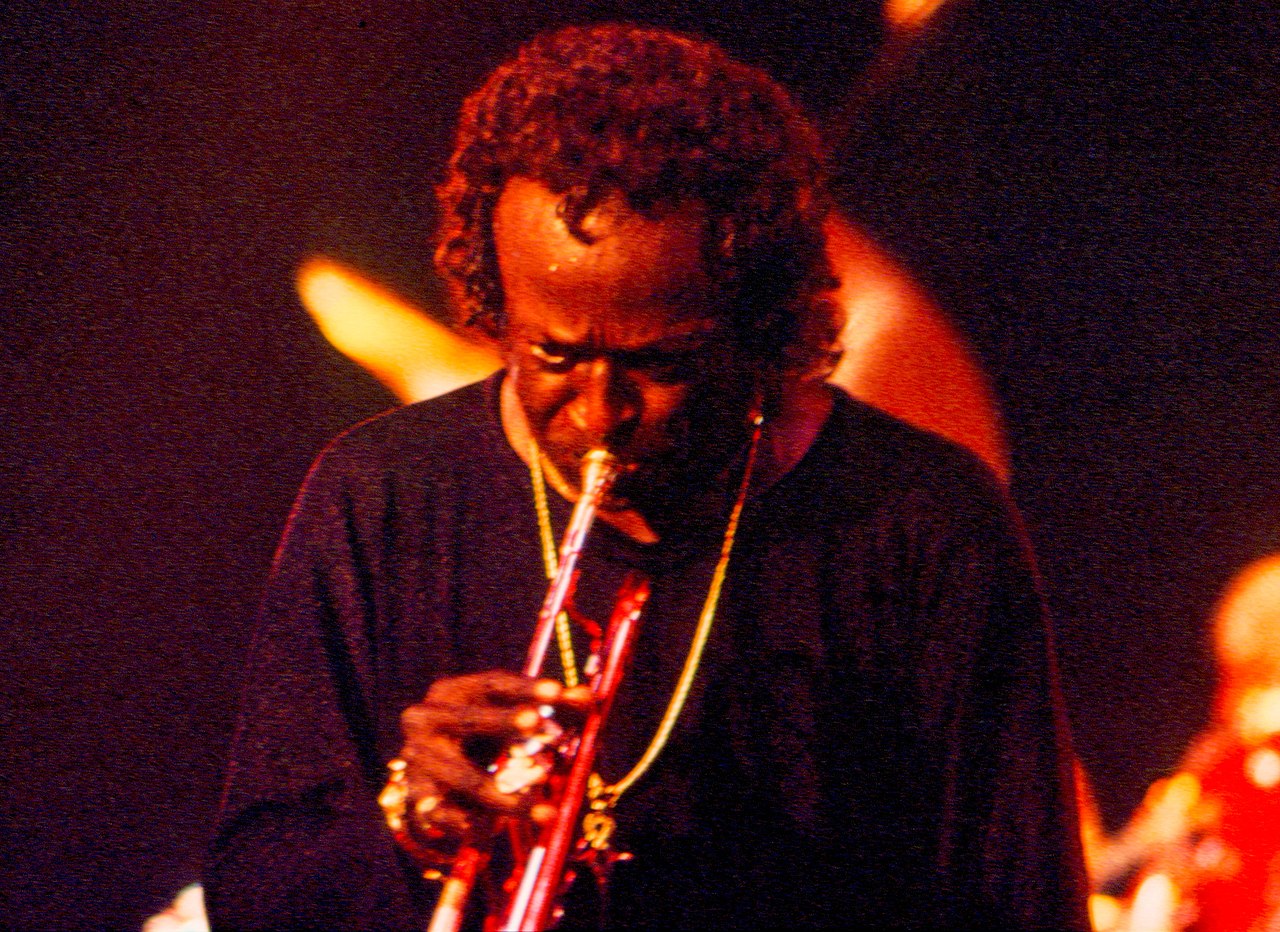
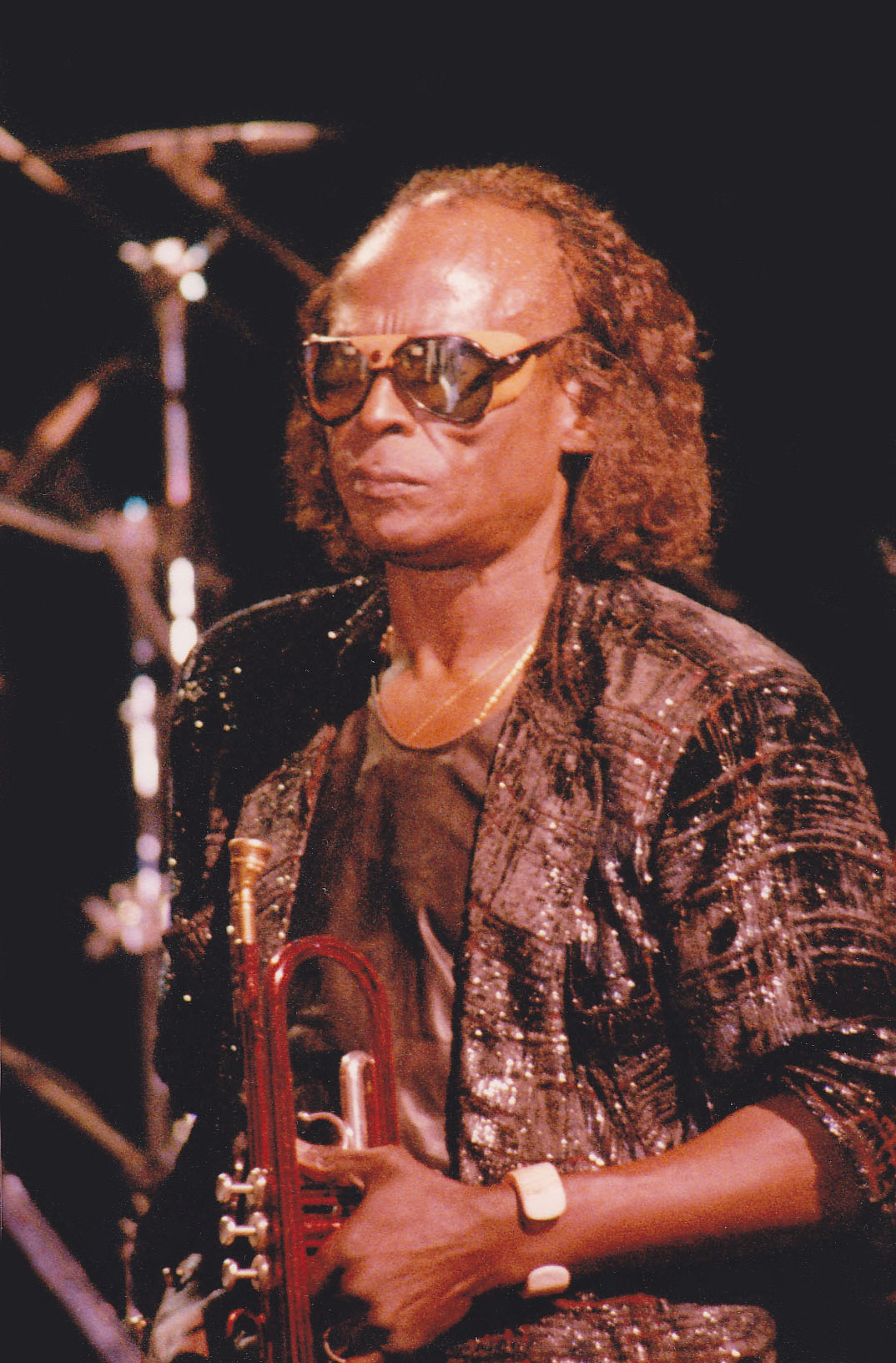
Miles Dewey Davis III (1926–1991) was an American jazz trumpeter, bandleader and composer whose long and varied career had a profound impact on 20th‑century music. Over five decades he helped create and popularize multiple approaches within jazz — from cool and hard bop to modal improvisation, free jazz experiments and electric fusion. He is widely remembered for a cool, lyrical trumpet tone, an embrace of new technology and repertory, and for leading ensembles that introduced several generations of important musicians.
Image gallery
10 Images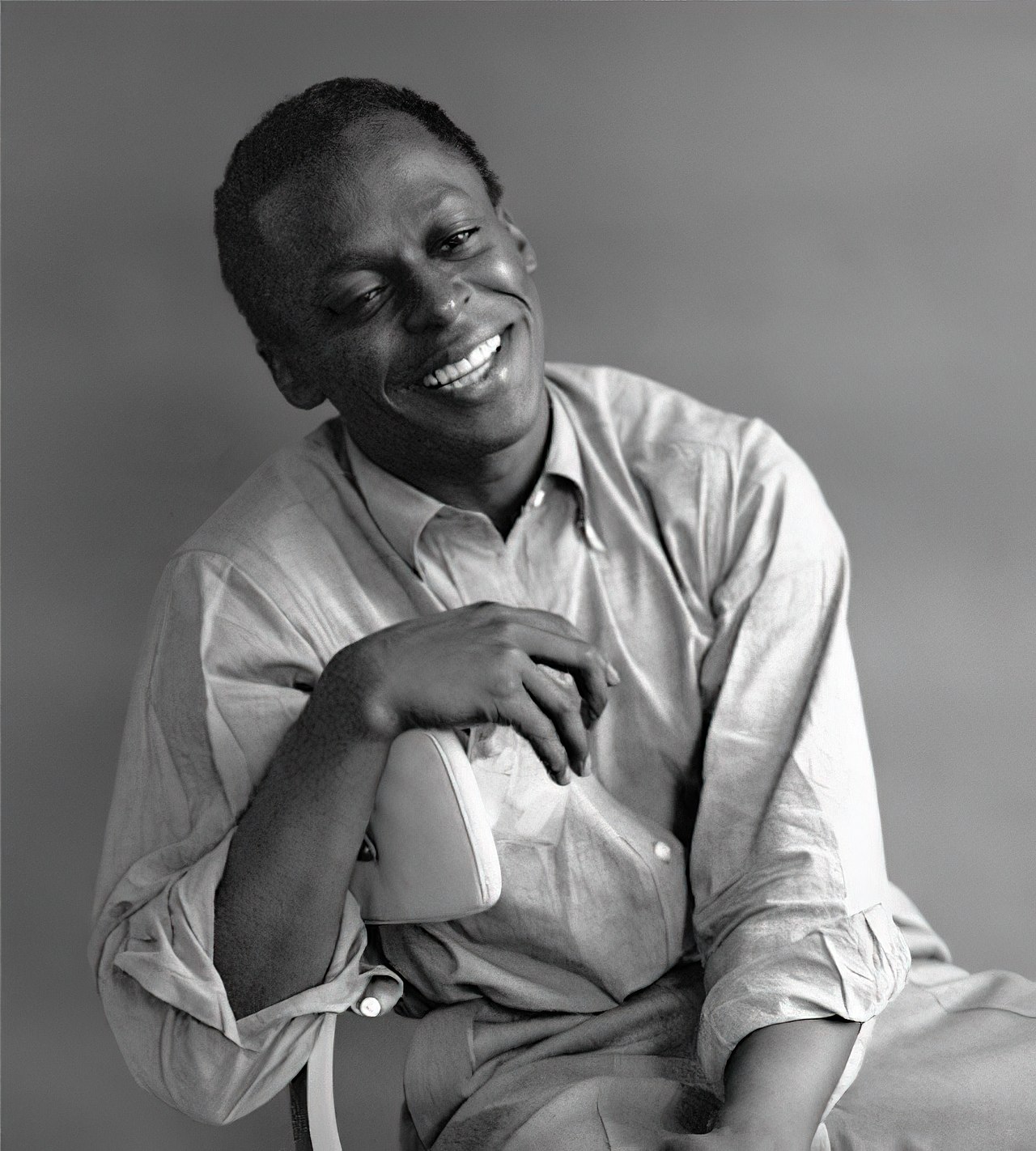





Musical periods and development
Davis's early work in the 1940s placed him in bebop circles, and in the late 1940s and early 1950s he participated in projects that moved toward a more relaxed, chamber‑like sound. The 1950s brought a string of acclaimed recordings and his reputation as a bandleader able to assemble sympathetic collaborators. The late 1950s and 1960s included his exploration of modal jazz, culminating in a landmark session that emphasized melody and space as much as chord changes. In the late 1960s and early 1970s he embraced electric instruments and studio production techniques that fused jazz with rock and funk textures, marking a decisive shift in his sound.
Notable recordings and ensembles
Among Davis's most influential recordings is Kind of Blue (1959), a record often cited as a pinnacle of modal jazz; by the early 21st century it had sold millions of copies and reached audiences far beyond jazz listeners. His later electric period produced albums that mixed improvisation with studio layering and amplification, challenging genre boundaries and influencing rock and fusion artists.
- Key studio albums: Kind of Blue; Birth of the Cool; Bitches Brew; Miles Smiles.
- Notable ensembles: His 1950s nonet and mid‑century quintets and sextets, and the electric bands of the late 1960s–70s.
Collaborators and band members
Davis's bands were breeding grounds for major talents. Musicians who rose to prominence while working with him include John Coltrane, Herbie Hancock, Bill Evans, Wayne Shorter, Chick Corea, John McLaughlin, Cannonball Adderley, Gerry Mulligan, Tony Williams, John Scofield, Kenny Garrett. These collaborations show how Davis functioned both as a catalyst and as a curator of talent.
Style, technique and innovations
Davis was known for economy of phrasing, a muted trumpet sound he used as a signature device, and a willingness to leave space in ensemble textures. He adapted his approach to suit changing musical contexts: quieter and more introspective in modal works, aggressive and amplified in electric fusion. As a bandleader he emphasized rehearsal and composition that left room for improvisation, and he often encouraged younger sidemen to take extended solos or explore new harmonic ideas.
Legacy and recognition
Miles Davis is remembered as one of the central figures of modern jazz. His albums remain staples of music study and popular listening, and his example influenced musicians across genres. He received wide critical acclaim during his lifetime and posthumous honors that underscore his cross‑genre importance, including induction into institutions such as the Rock and Roll Hall of Fame. His career also illustrates the evolution of jazz in the 20th century: continual reinvention, close mentorship of other artists, and a willingness to take artistic risks.
Further reading and listening
To explore Davis's work, listeners often begin with Kind of Blue and then sample recordings from his cool jazz period, the classic quintet years, and the electric fusion albums. Scholarly and popular books, documentary films and curated reissues examine the contexts of his sessions and the careers of musicians who played with him.
For snapshots of the people who shaped his bands and continued his influence, see profiles of John Coltrane, Herbie Hancock, and Bill Evans, or read accounts of the rhythm section eras featuring Tony Williams and others. The story of Miles Davis is both a personal artistic trajectory and a map of jazz's changing directions across decades.
Questions and answers
Q: Who was Miles Davis?
A: Miles Davis was an American jazz trumpeter, bandleader, and composer who was very important to 20th century music.
Q: What different styles of jazz did Miles Davis help develop?
A: Miles Davis helped develop several different styles of jazz, including cool jazz, hard bop, free jazz, and fusion.
Q: Which famous musicians did Miles Davis work with as a bandleader?
A: Miles Davis worked with many famous musicians as a bandleader, including John Coltrane, Herbie Hancock, Bill Evans, Wayne Shorter, Chick Corea, John McLaughlin, Cannonball Adderley, Gerry Mulligan, Tony Williams, George Coleman, J. J. Johnson, Keith Jarrett, John Scofield, and Kenny Garrett.
Q: What was the name of the famous album that Miles Davis released in 1959?
A: The name of the famous album that Miles Davis released in 1959 was Kind of Blue.
Q: How many copies of Kind of Blue had been sold by 2008?
A: By 2008, Kind of Blue had sold 4 million copies.
Q: When was Miles Davis inducted into the Rock and Roll Hall of Fame?
A: Miles Davis was inducted into the Rock and Roll Hall of Fame in 2006.
Q: How was Miles Davis described when he was inducted into the Rock and Roll Hall of Fame?
A: When Miles Davis was inducted into the Rock and Roll Hall of Fame, he was described as "one of the key figures in the history of jazz."
Author
AlegsaOnline.com Miles Davis: Life, Music, and Influence Leandro Alegsa
URL: https://en.alegsaonline.com/art/127059