
Warner Baxter
Warner Baxter (1889–1951) was an American film actor who moved from silent pictures to early sound films and won the Academy Award for Best Actor for his role as the Cisco Kid in In Old Arizona.
Overview
Warner Leroy Baxter (March 29, 1889 – May 7, 1951) was an American actor prominent in both the silent and early sound eras of motion pictures. He became widely known for portraying charismatic, romantic, and adventurous leading men and was among the performers who successfully transitioned from stage and silent-film work into talkies.
Image gallery
2 Images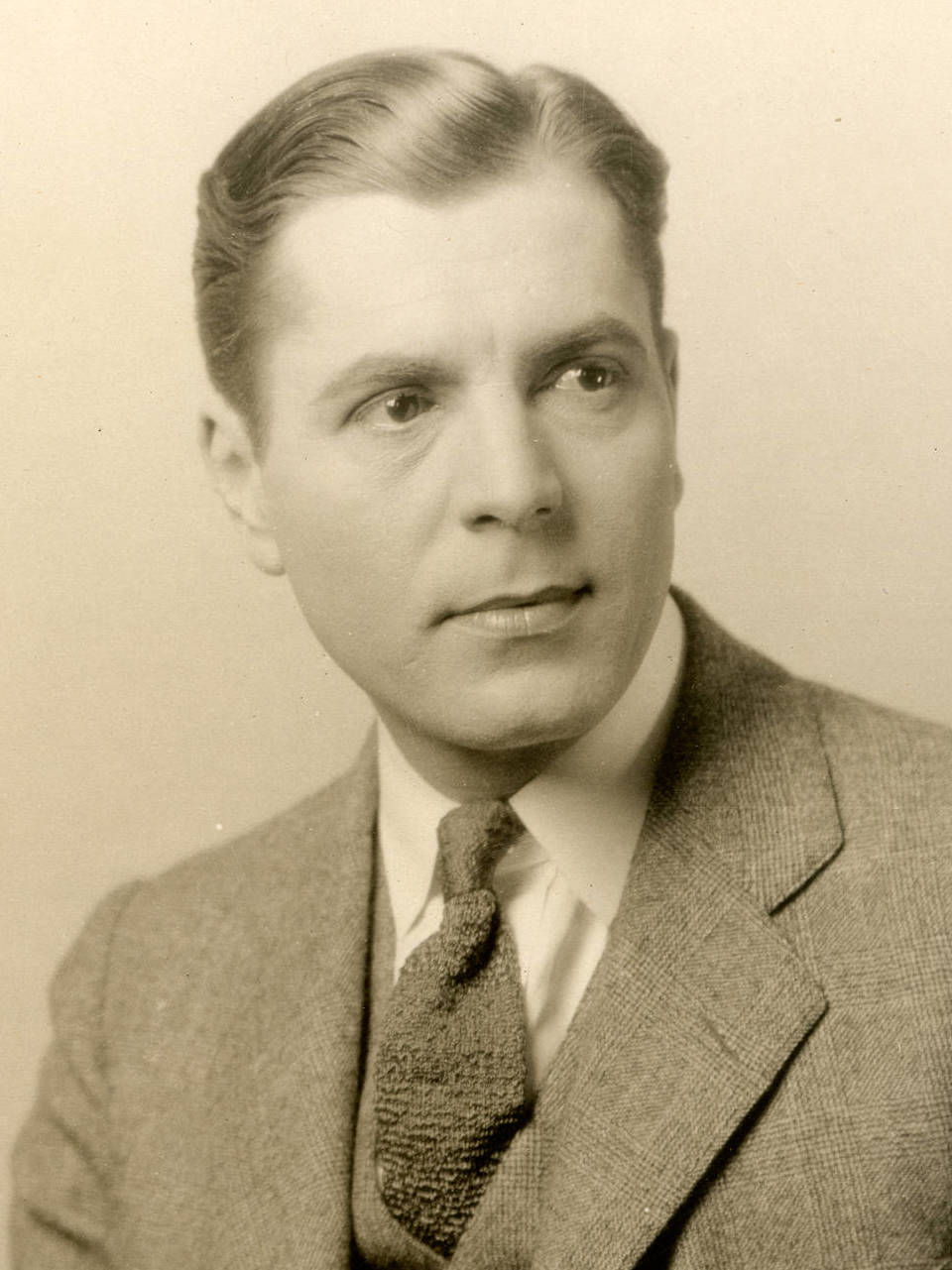

Career and screen persona
Baxter began his professional life in popular entertainment and moved into films during the 1910s and 1920s. On screen he was often cast as a suave hero or sympathetic rogue, combining athleticism with a polished, urbane presence. His adaptability helped sustain a career across changing technologies and audience tastes during the late 1920s and 1930s.
Notable role and award
His best-known performance was as the Mexican outlaw known as the Cisco Kid in the 1928 Western In Old Arizona. That role earned Baxter the second ever Academy Award for Best Actor at the 2nd Academy Awards. In Old Arizona was also notable as one of the earliest major sound Westerns filmed largely outdoors, and Baxter's turn helped make the Cisco Kid a lasting popular figure in American culture.
Legacy and context
Baxter's career illustrates several features of early Hollywood: the movement of performers from stage and silent film into talkies, the studio system's crafting of star images, and the era's casting conventions. His portrayal of a Mexican character by a non-Latino actor reflects casting practices common at the time. He remained a recognizable screen presence through the 1930s and is remembered primarily for his Oscar-winning role.
Characteristics and notable facts
- Active in both silent films and early sound pictures.
- Often cast as romantic leads or adventure heroes.
- Winner of the Best Actor Academy Award for his performance in In Old Arizona.
- Representative of early Hollywood star-making and casting patterns.
Baxter's life and work remain of interest to students of film history for his role in the transition to sound cinema and for his contribution to the Western genre. For more detailed film credits and contemporaneous reception, consult dedicated film reference sources and archives.
Author
AlegsaOnline.com Warner Baxter Leandro Alegsa
URL: https://en.alegsaonline.com/art/132768