
Walter Kasper: German Cardinal, Theologian and Ecumenist
Walter Kasper (born 1933) is a German Roman Catholic cardinal and theologian, known for leadership in ecumenical dialogue and for serving as president of the Pontifical Council for Promoting Christian Unity (2001–2010).
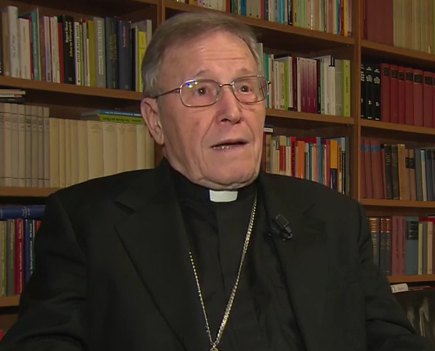
Overview
Walter Kasper (born 5 March 1933 in Heidenheim an der Brenz) is a German Roman Catholic cardinal and theologian. He served as president of the Pontifical Council for Promoting Christian Unity from 2001 until 2010 and was created a cardinal by Pope John Paul II in 2001. Kasper is widely recognized for his work in ecumenism and for contributions to contemporary Catholic theology.
Image gallery
3 Images


Early life and clerical career
Kasper trained in Catholic theology and was ordained to the priesthood in the mid-20th century. He served in parish ministry, seminary teaching and diocesan leadership before being appointed bishop. Over decades he combined pastoral responsibilities with academic work, publishing theological reflections and participating in international dialogue.
Work in ecumenism and theology
As president of the Pontifical Council for Promoting Christian Unity, Kasper led Catholic efforts to build relationships with Orthodox, Protestant and other Christian communities. His approach emphasized theological exchange, common prayer, and practical cooperation on social and ethical issues. He has written and lectured on themes such as reconciliation, the nature of mercy, and the conditions for Christian unity, advocating patient dialogue and mutual understanding.
Later roles and influence
After leaving the council in 2010 he was named President Emeritus. Kasper has continued to influence debate within the Church through books, essays and public talks. His proposals on pastoral care and pastoral exceptions in sensitive areas have at times sparked discussion among bishops, theologians and laypeople, reflecting his role as a prominent voice in contemporary Catholic thought.
Positions and notable facts
- Ordained priest and later appointed bishop before his curial service.
- President of the Pontifical Council for Promoting Christian Unity (2001–2010).
- Created cardinal in 2001 by Pope John Paul II.
- Known for ecumenical initiatives, theological writings and ongoing public engagement.
Kasper's legacy is tied to efforts to reconcile theological differences among Christian traditions while addressing pastoral challenges within the Catholic Church. His work remains a reference point in discussions about unity, mercy and the Church's mission in the modern world.
Author
AlegsaOnline.com Walter Kasper: German Cardinal, Theologian and Ecumenist Leandro Alegsa
URL: https://en.alegsaonline.com/art/132727