
Wallace Beery
American actor Wallace Fitzgerald Beery (1885–1949), a leading film star of the 1920s–30s, known for gruff but sympathetic screen personas and for winning the Academy Award for The Champ (1931).
Overview
Wallace Fitzgerald Beery (April 1, 1885 – April 15, 1949) was an American film actor whose career spanned the silent era and the early decades of sound cinema. He became widely known for playing rough-edged, often larger-than-life characters who nevertheless displayed emotional vulnerability, and he was among Hollywood's most recognizable faces in the late 1920s and 1930s.
Image gallery
10 Images
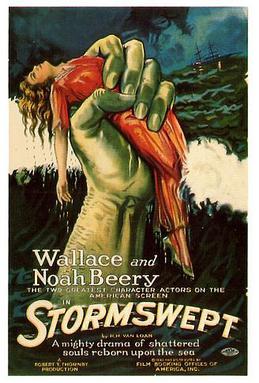


Career and screen persona
Beery began working in entertainment in the early 20th century and moved from stage and silent films into talking pictures. He cultivated a screen persona marked by a gruff voice, imposing physical presence, and a capacity for pathos. That combination made him suited to roles from strongmen and seafarers to paternal figures. As sound films took hold, he transitioned successfully and became a frequent lead at major studios.
Notable films
- Min and Bill (1930) — a drama that helped cement his status as a leading man of the era.
- The Champ (1931) — his portrayal of a flawed but loving father earned him the Academy Award for Best Actor.
- Treasure Island (1934) — remembered for his interpretation of Long John Silver, a mix of menace and charm.
- Viva Villa! (1934) — a high-profile historical adventure in which he played a commanding role.
Awards and recognition
Beery's performance in The Champ brought him the industry's highest acting honor and reinforced his reputation for delivering emotionally direct, populist performances. During the 1930s he was consistently among the popular box-office names of his time, noted for roles that appealed to wide audiences.
Personal life and legacy
Off screen, Beery was part of a family with multiple actors across generations, and his career contributed to the era's shaping of star-driven studio cinema. Critics and film historians often point to his ability to combine toughness with sentimentality as a defining quality that influenced later character actors. He died in 1949, but many of his films remain in circulation and continue to be studied as examples of early sound-era star performance.
While opinions of his screen image and private life have varied, the enduring fact is his prominent place in American film history: a performer who successfully bridged cinema's silent and sound periods and who left several memorable screen characters.
Author
AlegsaOnline.com Wallace Beery Leandro Alegsa
URL: https://en.alegsaonline.com/art/132703