
Vladimir Voronin — Moldovan politician and former president
Vladimir Voronin (born 1941) is a Moldovan politician who led the Party of Communists and served as President of Moldova from 2001 to 2009, notable as a democratically elected post‑Cold War communist head of state in Europe.
Vladimir Voronin (born 25 May 1941) is a long‑time figure in Moldovan public life. He rose to national prominence as leader of the Party of Communists of the Republic of Moldova (PCRM) and served as President of Moldova from 2001 until 2009. His election attracted international attention because he became, for a period, one of Europe's most prominent post‑Cold War communist leaders and is often cited as the first democratically elected communist head of state in that era.
Image gallery
7 Images


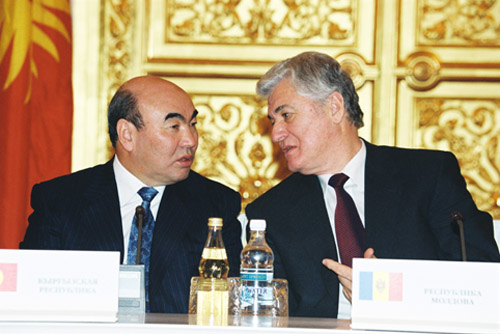

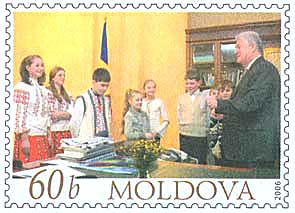
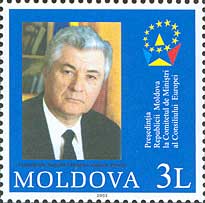
Early career and rise
Born in the Moldavian Soviet Socialist Republic during World War II, Voronin spent his early career working within Soviet‑era state institutions. He acquired experience in administration and internal affairs during the Soviet period and remained active in public service after Moldova became independent. In the 1990s he became a leading figure of the reconstituted communist movement in Moldova, taking formal leadership of the PCRM in 1994 and guiding the party toward national electoral politics.
Presidency and political orientation
Voronin's party won parliamentary dominance in the 2001 elections, and he became president following that victory. His government emphasized social stability, protection of state institutions, and maintaining a significant state role in certain sectors of the economy. In foreign policy his administration sought to balance relations between the European Union and the Commonwealth of Independent States, while preserving close ties with Russia. Domestically, he opposed rapid unification with neighboring Romania and supported negotiations over the breakaway region of Transnistria.
Policies, criticisms and 2009 unrest
Supporters credit Voronin with delivering relative stability and with defending socially oriented policies for vulnerable groups. Critics accused his administration of restricting media freedom and concentrating influence in the hands of the ruling party. Political tensions culminated in significant public protests and unrest in 2009 after parliamentary elections, raising questions about electoral practices and prompting broader debate about democratic norms in Moldova.
Later activity and legacy
After leaving the presidency Voronin remained an influential political personality and a symbol of the persistence of communist parties in post‑Soviet politics. Observers regard his tenure as an important episode in the region's post‑Cold War evolution: it illustrated how parties with communist roots could operate within democratic elections while also revealing persistent strains between democratic reformers and those favoring more state‑centered governance.
Key roles
- Moldovan political leader and public official
- First Secretary and long‑time head of the PCRM
- President of Moldova (2001–2009)
- Figure associated with the post‑Eastern Bloc continuity of communist parties (Eastern Bloc reference)
For further reading, biographies and contemporary accounts offer detailed timelines of his governmental initiatives, electoral contests and the debates that surrounded his years in power. Many sources also place Voronin's career in the wider context of post‑Soviet political development and the varying paths taken by former communist parties across the region.
Author
AlegsaOnline.com Vladimir Voronin — Moldovan politician and former president Leandro Alegsa
URL: https://en.alegsaonline.com/art/132668