
Vic Seixas: American Grand Slam Tennis Champion and Mid‑Century Ranking Star
Overview of Vic Seixas, American tennis player born in 1923: early life, wartime service, college years, top 1950s rankings, Grand Slam successes, and his legacy in tennis history.
Overview
Elias Victor Seixas, Jr., known as Vic Seixas (born August 30, 1923), is an American former tennis player whose competitive peak came in the early 1950s. He won major titles in both singles and doubles during the amateur era and is widely remembered for his longevity in the sport and his place among the top-ranked players of his time.
Image gallery
2 Images
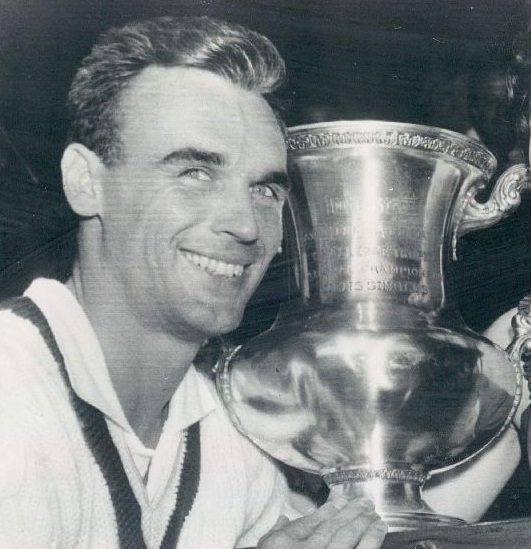
Early life and education
Seixas was born and raised in Philadelphia, Pennsylvania, in a family with Jewish roots; his background is sometimes noted in profiles of Jewish athletes in American sport (Jewish). He attended William Penn Charter School and, after a period of military service during World War II, continued his education at the University of North Carolina at Chapel Hill. His formative years combined formal schooling with competitive tennis on regional and national circuits.
Career highlights and rankings
Competing in the amateur era when world rankings were compiled by journalists and national associations, Seixas reached the upper tier of international players. In 1951 he was listed as No. 4 in the world while holding the No. 1 position in the United States, closely ranked alongside contemporaries such as Dick Savitt. Later, respected tennis historian Lance Tingay placed Seixas among the world’s top three players in 1953.
- Major singles successes: Seixas captured Grand Slam singles titles in the 1950s, including victories at the leading grass-court and national championships of that era.
- Doubles and mixed doubles: He also earned multiple major titles in partnership events, a common pattern for elite players of his generation.
- Team competitions: Seixas represented the United States in international team play and was a prominent figure in postwar American tennis.
Playing style and era
Seixas competed during the mid‑20th century when lawn courts and serve‑and‑volley tactics were prominent. Players of his generation often combined all‑court movement, net play and adaptable shotmaking to suit grass and slow hard surfaces. His achievements came before the Open Era, when the amateur and professional circuits were separate; success then required navigating national championships, invitational events and transatlantic tours.
Legacy and distinctions
Beyond tournament wins and high rankings, Seixas is recognized for his longevity and historical standing. He is noted among the oldest living male Grand Slam singles champions and has been celebrated in tennis histories and halls that honor players from the amateur era. His career illustrates the postwar revival of international tennis and the pathway from collegiate and club competition to global prominence.
Notable facts
- Seixas combined competitive play with wartime service and later college study, a trajectory shared by many athletes of his generation.
- While headline rankings used different methodologies then than today’s computerized systems, contemporary accounts placed him consistently among the world’s best in the early 1950s.
- His contributions to American tennis include both on‑court achievements and recognition that preserves mid‑century tennis history for later generations.
For further reading and reference, use institutional and historical tennis sources that detail the amateur era, major championships and contemporaries of Seixas to place his accomplishments in context.
Author
AlegsaOnline.com Vic Seixas: American Grand Slam Tennis Champion and Mid‑Century Ranking Star Leandro Alegsa
URL: https://en.alegsaonline.com/art/132571