
Vicente Ramón Roca (President of Ecuador, 1845–1849)
Vicente Ramón Roca (1792–1858) was an Ecuadorian politician and liberal leader of the 1845 revolution who served as president from 1845 to 1849 under the Constitution of 1845.
Overview
Vicente Ramón Roca Rodríguez (2 September 1792 – 23 February 1858) was an Ecuadorian statesman who led a civic movement that toppled the administration of Juan José Flores and later served as President of Ecuador from 8 December 1845 to 15 October 1849. A prominent figure of the Liberal Party, Roca is remembered for presiding during a transitional period when the young republic attempted to stabilize institutions and civilian rule under the Constitution of 1845.
Image gallery
1 Image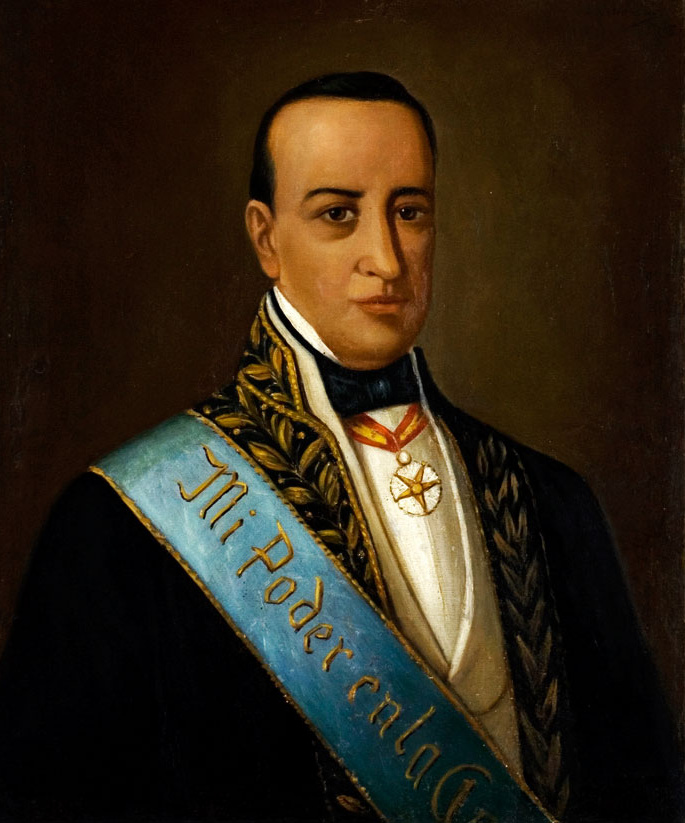
Background and political rise
Born in Guayaquil when the region was developing as a commercial center, Roca belonged to the coastal elite that favored trade and civil liberties. The politics of the era were dominated by tensions between coastal liberals and highland conservatives; Roca allied with other liberal leaders to press for a reduction of military and dictatorial control and for greater influence of civilian authorities in government.
The 1845 revolution and coalition
In 1845 Roca joined a coalition of political figures and military opponents to overthrow the government. That movement included leading personalities such as José Joaquín de Olmedo and Diego Noboa. The uprising was part of a broader reaction against perceived authoritarian rule and foreign influence in Ecuadorian affairs. After Flores was removed, a new constitutional framework was adopted and Roca assumed the presidency under the Constitution of 1845.
Presidency: aims and context
Roca's administration governed during a period of institutional consolidation for Ecuador. While his term did not produce long-lasting radical reforms, it focused on returning authority to civilian institutions and accommodating competing regional interests. Commerce—especially coastal export agriculture such as cacao—was an important backdrop to political decisions, as coastal producers sought reliable conditions for trade.
Notable aspects and legacy
- He represented a civilian, liberal alternative to military strongmen in mid-19th century Ecuador.
- His government operated under the Constitution of 1845, which aimed to regulate executive power after repeated caudillo rule.
- Roca's rule is often viewed as part of the broader struggle between coastal liberalism and highland conservatism that shaped Ecuadorian politics for decades.
Personal life and death
Roca was married to Juana Andrade. He retired from public life after his term and died in 1858 at the age of 65, reportedly from complications of pneumonia. His role in the 1845 revolution and his presidency remain points of reference in studies of Ecuador's early republican development.
For further reading on the era and principal actors, see works on mid-19th-century Ecuadorian politics and biographies of Juan José Flores, José Joaquín de Olmedo, and Diego Noboa.
Author
AlegsaOnline.com Vicente Ramón Roca (President of Ecuador, 1845–1849) Leandro Alegsa
URL: https://en.alegsaonline.com/art/132528