
Vere Cornwall Bird Sr.: First Prime Minister of Antigua and Barbuda
Biography of Sir Vere Cornwall Bird Sr. (1910–1999), a founding figure of modern Antiguan politics, first prime minister at independence, trade union leader, and national hero.
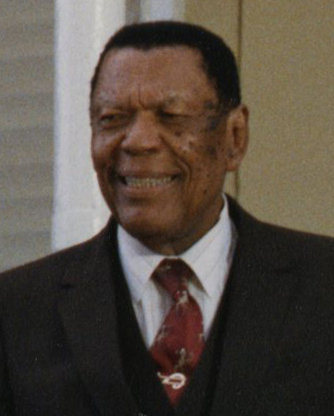
Vere Cornwall Bird Sr. (9 December 1910 – 28 June 1999) was a central figure in Antigua and Barbuda's 20th-century political development. A labour leader who rose to national prominence, Bird led the Antigua Labour Party and became the nation's first prime minister when Antigua and Barbuda gained independence. His long career shaped the new state's institutions and social policies.
Image gallery
3 Images

Early life and political rise
Bird began his public life in the labour movement and trade unions, advocating for workers' rights in a colonial economy. Over decades he built support through organizing and electoral politics, eventually becoming the leader of the Antigua Labour Party. Prior to independence he held senior posts in the colony's government, including roles equivalent to head of government under the colonial system, as Antigua moved toward self-government.
Prime ministership and national leadership
When Antigua and Barbuda achieved independence in 1981, Bird became the country's first prime minister. His administration emphasized social programs, infrastructure development, and continuity during the transition from colony to independent state. He remained a dominant political figure for many years and was succeeded in the premiership by his son, Lester Bryant Bird, in 1994.
Honours, legacy and controversies
- Honour: In 1994 he was named a Knight of the Order of the National Hero (KNH) by Antigua and Barbuda, a recognition of his role in the nation's history.
- Legacy: Supporters credit him with advancing labour interests and expanding public services; critics point to allegations of patronage and governance problems during parts of his tenure.
- Succession: His son Lester Bird followed him as party leader and prime minister, continuing the family's political prominence.
For a concise official overview and further reference, see information published by the government of Antigua and Barbuda: Antigua and Barbuda national resources. Bird died in 1999, leaving a complex legacy as a founding leader of the independent nation and a pivotal, sometimes contested, figure in Caribbean political history.
Author
AlegsaOnline.com Vere Cornwall Bird Sr.: First Prime Minister of Antigua and Barbuda Leandro Alegsa
URL: https://en.alegsaonline.com/art/132509