
Valeri Bganba — Abkhazian politician
Valeri Bganba (born 26 August 1953) is an Abkhazian politician who served as Speaker of the People's Assembly, acted as president in 2014, and became Prime Minister in September 2018.
Valeri Bganba (born 26 August 1953) is a politician from Abkhazia, a region in the South Caucasus that declared independence from Georgia and is recognised by a limited number of states. Bganba has held several senior posts in Abkhaz public life, most notably as Speaker of the People's Assembly, as acting head of state during a 2014 political transition, and later as Prime Minister.
Image gallery
2 Images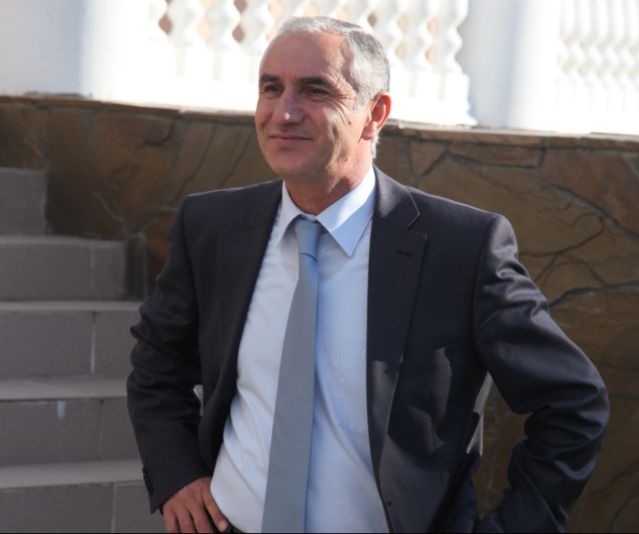

Political career and offices
Bganba's national profile rose when he was elected Speaker of the People's Assembly of Abkhazia on 3 April 2012. He led the legislature during a period of heightened political activity until he was succeeded by Valery Kvarchia on 12 April 2017. In the course of his career he has been involved in parliamentary leadership and government administration.
Acting presidency in 2014
On 1 June 2014 Bganba assumed the role of acting president following the resignation of Alexander Ankvab. The resignation occurred amid political unrest and contested governance; according to the established succession practices in Abkhazia the speaker of the parliament became the interim head of state. Bganba remained acting president through the summer while preparations for a presidential election proceeded, and on 25 September 2014 the elected winner, Raul Khajimba, succeeded him in the presidency.
Prime ministership and later role
In September 2018 Bganba returned to executive office when he was appointed the 13th Prime Minister of Abkhazia. As prime minister he was responsible for coordinating government ministries and implementing policy set by the president and cabinet. His appointment reflected continued confidence in his experience as a parliamentary leader and transitional head of state.
Chronology and significance
- Born 26 August 1953.
- Speaker of the People's Assembly: elected 3 April 2012; served until 12 April 2017.
- Acting President of Abkhazia: assumed office 1 June 2014 after the resignation of Alexander Ankvab; served until 25 September 2014 when Raul Khajimba took office.
- Appointed Prime Minister: September 2018; office referenced via Prime Minister of Abkhazia.
Context and notable facts
Bganba's roles are best understood against the background of Abkhazia's contested status and domestic political developments. His elevation to acting president followed a crisis that prompted a leadership change, and his career spans both legislative leadership and executive responsibility. For information on the legislative body he led, see the People's Assembly of Abkhazia via relevant descriptions, and for general discussion of the presidency in the region see overview material.
As a public figure Bganba is often described in sources as a stabilising administrator who has been called upon during transitional periods. His career illustrates how parliamentary leadership can intersect with executive succession in political systems facing internal challenges and external diplomatic sensitivities.
Author
AlegsaOnline.com Valeri Bganba — Abkhazian politician Leandro Alegsa
URL: https://en.alegsaonline.com/art/132444