
Uhuru Kenyatta: Kenyan politician and fourth president (2013–2022)
Profile of Uhuru Kenyatta, Kenyan political leader, fourth president (2013–2022), his rise from MP to head of state, major policies, controversies including ICC proceedings and Pandora Papers, and political legacy.
Overview
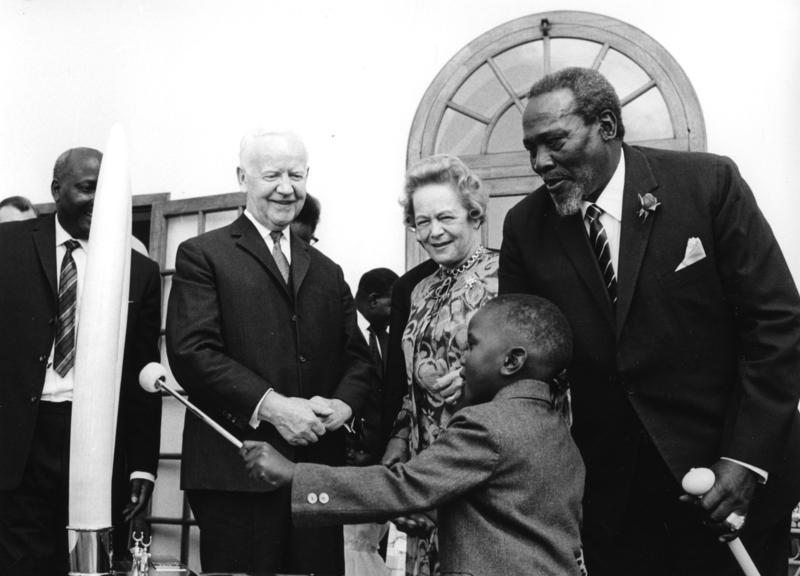
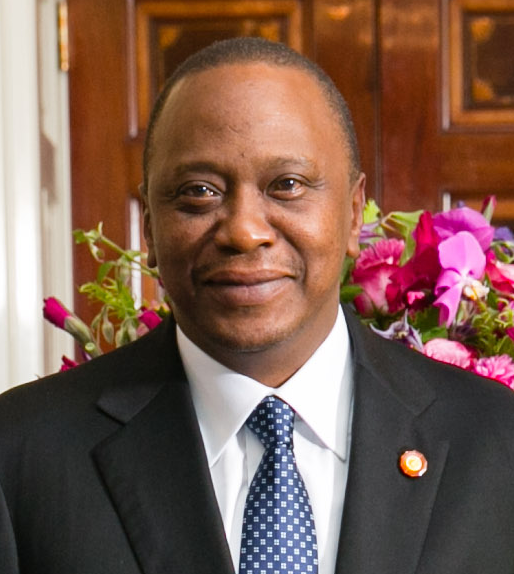
Uhuru Muigai Kenyatta (born 26 October 1961) is a Kenyan politician who served as the fourth President of Kenya from 2013 to 2022. He is the son of Jomo Kenyatta, the country's first president, and belongs to a prominent political family. Before the presidency he represented Gatundu South in the National Assembly and held senior roles in coalition governments. For a concise biographical entry see politician profile.
Image gallery
8 Images


Early life and political rise
Kenyatta began his national political career in the early 2000s after winning a parliamentary seat. He later became chairman of KANU (Kenya African National Union) and joined wider coalitions that shaped Kenyan politics. He served as Deputy Prime Minister in a coalition government formed after disputed elections and continued to build a base in central Kenya before contesting the presidency.
Presidency and policies
As president he focused on infrastructure expansion, economic development, and devolution of resources to counties. His administration oversaw major projects that aimed to improve transport and connectivity, and pursued investment partnerships with international partners. Domestic priorities included job creation, housing initiatives and strengthening public institutions. His two electoral victories and the conduct of the executive are part of contemporary discussions about governance in Kenya.
Notable events and political initiatives
- Held national office following service as a legislator and coalition deputy leader.
- Engaged in a notable rapprochement with political opponents that reshaped post-election politics and prompted a national dialogue on reforms.
- Supported constitutional devolution arrangements and large-scale infrastructure investments.
Controversies and legal matters
Kenyatta's public life includes several high-profile controversies. He was among Kenyan figures investigated by the International Criminal Court in relation to the 2007–2008 post-election violence; those cases did not proceed to conviction and were later discontinued. His 2017 re-election was legally contested and initially annulled by the Supreme Court, leading to a repeat poll. He was also named in media investigations into offshore financial arrangements in 2021, often referred to in connection with the Pandora Papers. Such matters have attracted both domestic scrutiny and international commentary.
Legacy and distinctions
Kenyatta's tenure is noted for its combination of ambitious infrastructure programs, efforts to stabilize a fractious political climate, and ongoing debate about transparency and accountability. He remains a central figure in a family that has played a long role in Kenya's modern political history; his father, Jomo Kenyatta, is a defining figure of the country's independence era. Analysts assess his legacy in the context of economic change, institutional reform, and the contested nature of recent elections.
Author
AlegsaOnline.com Uhuru Kenyatta: Kenyan politician and fourth president (2013–2022) Leandro Alegsa
URL: https://en.alegsaonline.com/art/132369