
Tsarevich Alexei Petrovich of Russia (1690–1718)
Heir of Peter the Great whose conflict with his father over reforms ended in a fatal trial and imprisonment; his life and death shaped succession and reactions to Peter's reforms.
Overview
Alexei Petrovich Romanov (Russian name: Алексей Петрович) (born 28 February 1690 [O.S. 18 February]; died 7 July 1718 [O.S. 26 June]) was the eldest son of Tsar Peter I (Peter the Great) and Eudoxia Lopukhina. As Tsarevich, he was the designated heir for much of his life but became estranged from his father during a period of intense political and cultural reform. He was born in Moscow and is remembered for the dramatic conflict with Peter that ended in his arrest and death while imprisoned.
Image gallery
4 Images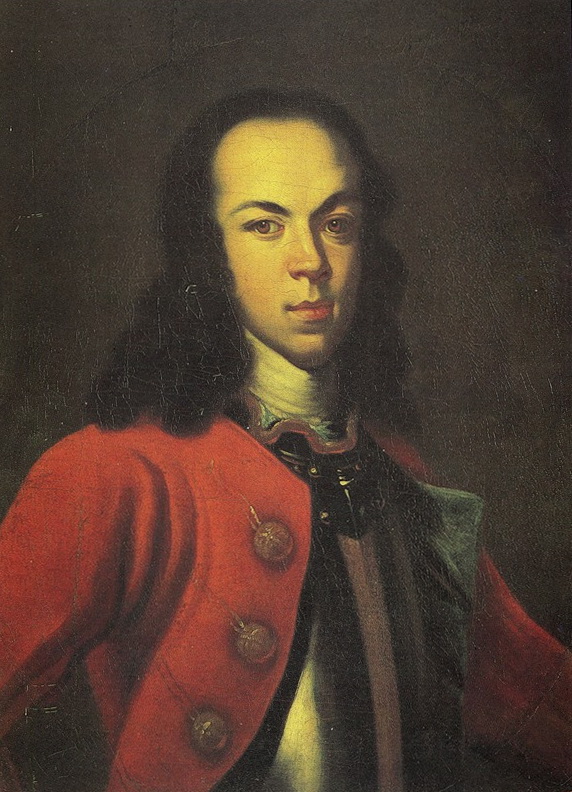


Early life and character
Raised in a world divided between traditional Muscovite customs and Peter's ambitious program of Westernization, Alexei preferred the conservative, pious lifestyle associated with his mother's circle. Contemporary accounts depict him as religious, reluctant to embrace the militarized, reformist court life championed by his father. His education and temperament set him apart from the emperor's chosen model for a modern ruler, creating tension over expectations for the monarchy.
Family, marriage and offspring
Alexei married Charlotte Christine of Brunswick-Lüneburg, a German princess brought to Russia to reinforce dynastic ties. The couple's best-known child was their son, Peter Alexeyevich, who later reigned briefly as Emperor Peter II. The family ties and foreign marriage highlight the international dimension of Peter the Great's policies and the dynastic stakes involved in succession.
Flight, trial and death
Opposition to Peter's reforms and to his son's prospective role led Alexei to seek refuge abroad at one point. He later returned to Russia after receiving promises of safety but was arrested and subjected to interrogation and a political trial. Historical accounts report that harsh treatment and torture were used during proceedings; Alexei died in the Peter and Paul Fortress while imprisoned. The precise medical cause of his death remains debated among historians, and his death was a contentious and consequential episode in the reign of Peter the Great.
Significance and legacy
Alexei's fate had immediate dynastic consequences: his son would succeed only briefly, and the elimination of a conservative rival helped clear the way for Peter's reforms to proceed with less internal opposition. Historians view the case as illustrative of the personal and political costs of rapid modernization and of the extremes to which Peter would go to secure his program. Debates over responsibility and the legal and moral dimensions of Alexei's treatment continue in scholarship.
- Born: 1690 in Moscow (see).
- Role: Heir apparent, opposed many of his father's reforms.
- Marriage: Charlotte Christine of Brunswick-Lüneburg; father of the future Peter II.
- Death: Died in custody in 1718 after a political trial; circumstances remain controversial.
For more detailed treatments of Alexei's trial, personal correspondence, and the political context of his era, consult specialized histories of Peter the Great's Russia and works on succession in early 18th-century Eastern Europe.
Author
AlegsaOnline.com Tsarevich Alexei Petrovich of Russia (1690–1718) Leandro Alegsa
URL: https://en.alegsaonline.com/art/132312