
Todor Zhivkov: Longest-Serving Communist Leader of Bulgaria (1954–1989)
Profile of Todor Zhivkov, Bulgaria's communist leader from 1954–1989: his rise to power, industrialization and collectivization policies, Soviet alignment, 1989 ouster, later prosecution and a contested legacy.
Todor Hristov Zhivkov (Bulgarian: Тодор Христов Живков [ˈtɔdor ˈxristof ˈʒifkof]; 7 September 1911 – 5 August 1998) was the dominant political figure in communist Bulgaria for much of the Cold War. He led the People's Republic of Bulgaria from 4 March 1954 until 10 November 1989, a tenure that made him the longest-serving leader among the Eastern Bloc countries and one of the longest-ruling non-royal heads of state in modern history.
Image gallery
10 Images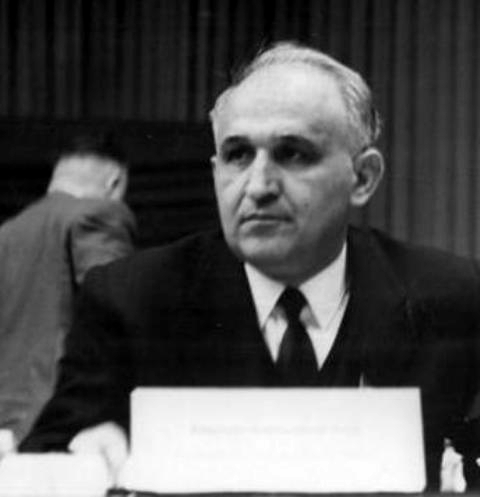


Early life and rise to power
Born in 1911 in what is today northern Bulgaria, Zhivkov became active in the communist movement in the interwar period. After World War II, when Bulgaria came under communist rule, he advanced through the party apparatus and reached its top leadership in March 1954. Over the following decades he consolidated control over party and state institutions and shaped Bulgaria's political course within the Soviet-aligned bloc.
Rule and policies
Zhivkov governed during a period of close alignment with the Soviet Union. His administration pursued industrialization, collectivization of agriculture, and centralized economic planning typical of Eastern European communist regimes. At times his government allowed limited cultural and social initiatives, but political pluralism and independent dissent were restricted under one-party rule.
Removal and later life
Mass political changes across Eastern Europe in 1989, together with mounting domestic criticisms, led to Zhivkov's removal from power in November of that year. He was subsequently investigated and briefly prosecuted on charges related to corruption and misuse of public office. In his final years he lived away from the public spotlight and died in 1998.
Legacy
- Zhivkov's long rule left a mixed legacy: supporters credit him with stability and development in some sectors, while critics emphasize political repression, economic inefficiencies and dependence on the Soviet Union.
- Historians and commentators continue to debate his impact on Bulgaria's post-communist transition and on Bulgarian society during the Cold War era.
Questions and answers
Q: Who was Todor Zhivkov?
A: Todor Zhivkov was the communist head of state of the People's Republic of Bulgaria from 1954 to 1989.
Q: When did Todor Zhivkov become the head of state of Bulgaria?
A: Todor Zhivkov became the head of state of Bulgaria on March 4, 1954.
Q: Until when did Todor Zhivkov serve as the head of state of Bulgaria?
A: Todor Zhivkov served as the head of state of Bulgaria until November 10, 1989.
Q: What is Todor Zhivkov known for?
A: Todor Zhivkov is known for being one of the longest-serving leader of any Eastern Bloc nation and one of the longest ruling non-royal leaders in history.
Q: When was Todor Zhivkov born?
A: Todor Zhivkov was born on September 7, 1911.
Q: When did Todor Zhivkov pass away?
A: Todor Zhivkov passed away on August 5, 1998.
Q: What is the full name of Todor Zhivkov?
A: The full name of Todor Zhivkov is Todor Hristov Zhivkov.
Author
AlegsaOnline.com Todor Zhivkov: Longest-Serving Communist Leader of Bulgaria (1954–1989) Leandro Alegsa
URL: https://en.alegsaonline.com/art/132011