
Thucydides: Athenian historian of the Peloponnesian War
Thucydides, a 5th-century BC Athenian historian, wrote the History of the Peloponnesian War and pioneered strict, evidence-based historical method and political realism.
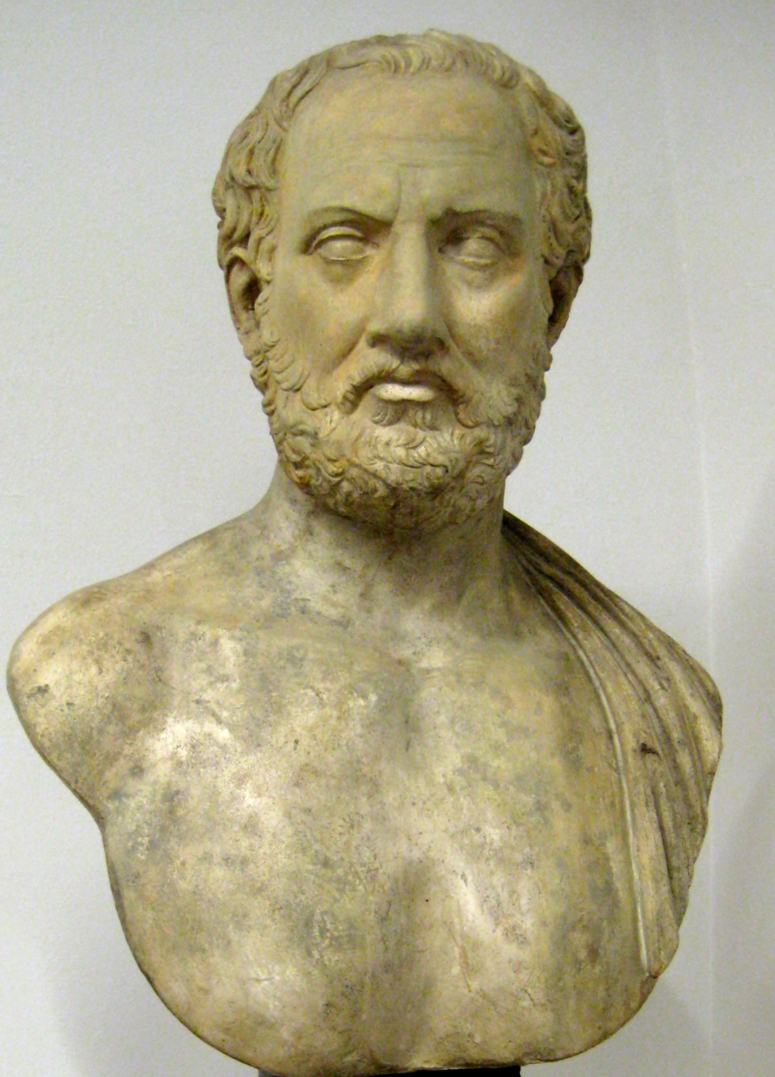
Thucydides (Greek: Θουκυδίδης; c. 460 – c. 400 BC) was an ancient Athenian historian best known for his account of the Peloponnesian War. Son of Olorus, he combined participation in events with a systematic effort to investigate causes and effects rather than rely on myth or divine explanation. His work set new standards for political and military history in the classical world.
Image gallery
10 Images






Life and career
Born into a wealthy family, Thucydides served as a general (strategos) during the early years of the Peloponnesian War. In 424 BC he failed to prevent the Spartan capture of Amphipolis and was subsequently exiled for about twenty years. During that exile he traveled widely and collected testimony, documents, and eyewitness accounts that he used to compose his History. He appears to have finished his work after returning to Athens, but left the narrative unfinished.
Work and method
Thucydides' History of the Peloponnesian War records the conflict between Athens and Sparta (431–404 BC) with an emphasis on political decision-making, military operations, and human motives. He is noted for strict chronology, careful sourcing, and a skeptical stance toward myth and divine causation. Unlike earlier chroniclers, he sought direct testimony, cross-checked reports, and acknowledged where his information was uncertain.
Notable passages and themes
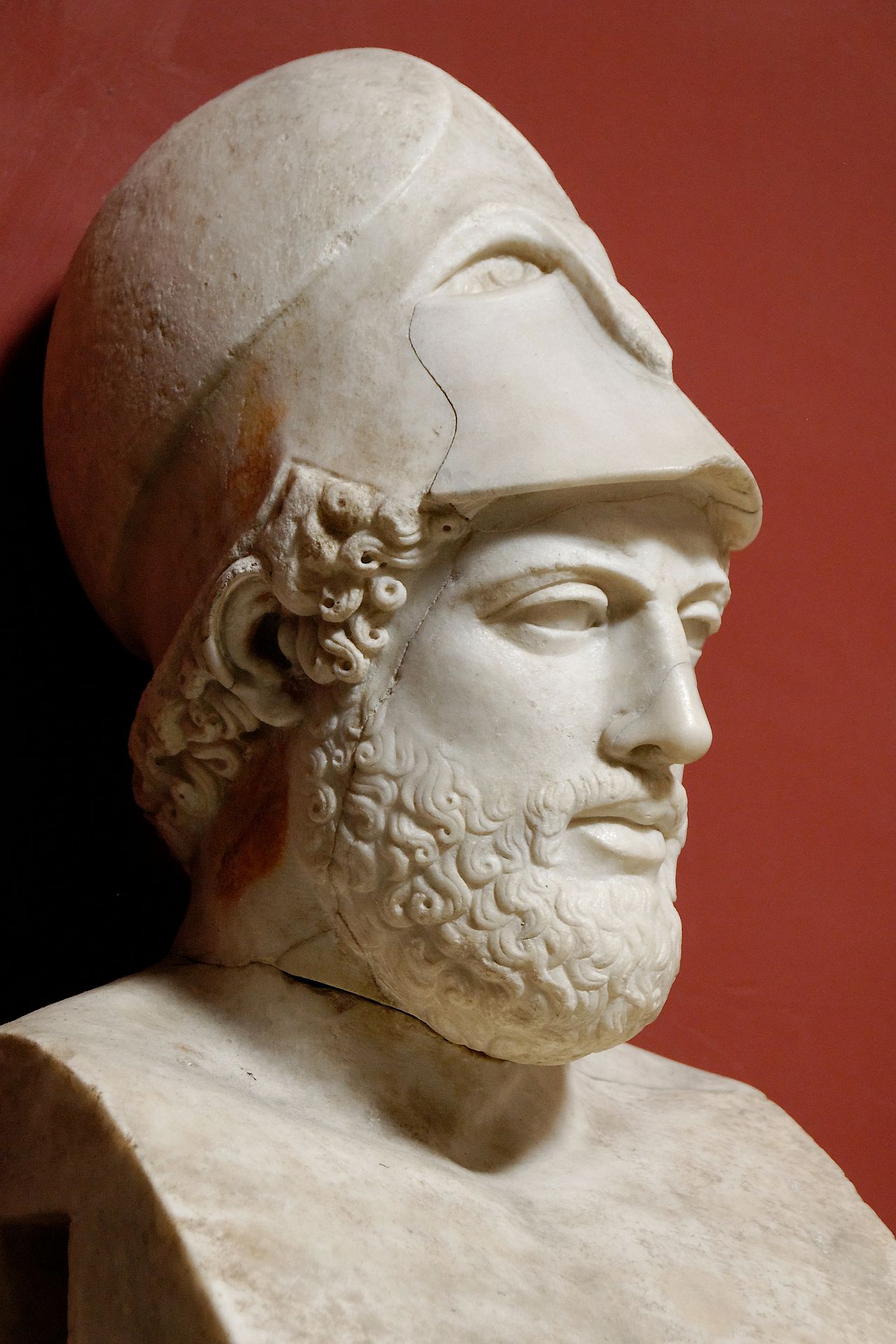
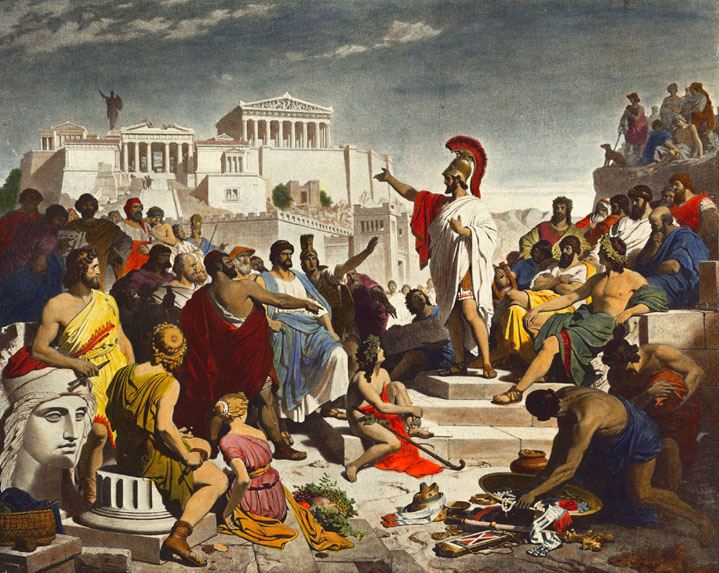
- Pericles' Funeral Oration: a model of political rhetoric and civic ideology.
- The Melian Dialogue: a striking statement on power, justice, and realism in interstate relations.
- Accounts of the Athenian plague and the Sicilian Expedition: detailed narrative and human consequence.
Legacy and influence
Thucydides is often called the father of scientific history and a major source for classical Greek politics and war. His analytical approach influenced later historians and political thinkers and became foundational for the realist tradition in international relations. Modern scholars praise his rigor and critical method, while also noting the literary density and occasional gaps where his narrative remains unfinished.
For further context see general introductions to classical historiography and military history, and consult translations and commentaries on his History and studies of the Peloponnesian War. For his place among ancient writers, compare his approach with other historians via resources on the ancient historiographical tradition.
Author
AlegsaOnline.com Thucydides: Athenian historian of the Peloponnesian War Leandro Alegsa
URL: https://en.alegsaonline.com/art/131878