
Peloponnesian War (431–404 BC): Athens versus Sparta
A prolonged conflict (431–404 BC) between the Athenian maritime empire and the Peloponnesian League under Sparta that reshaped Greek politics through sieges, naval campaigns, the Sicilian Expedition and Persian intervention.
Overview
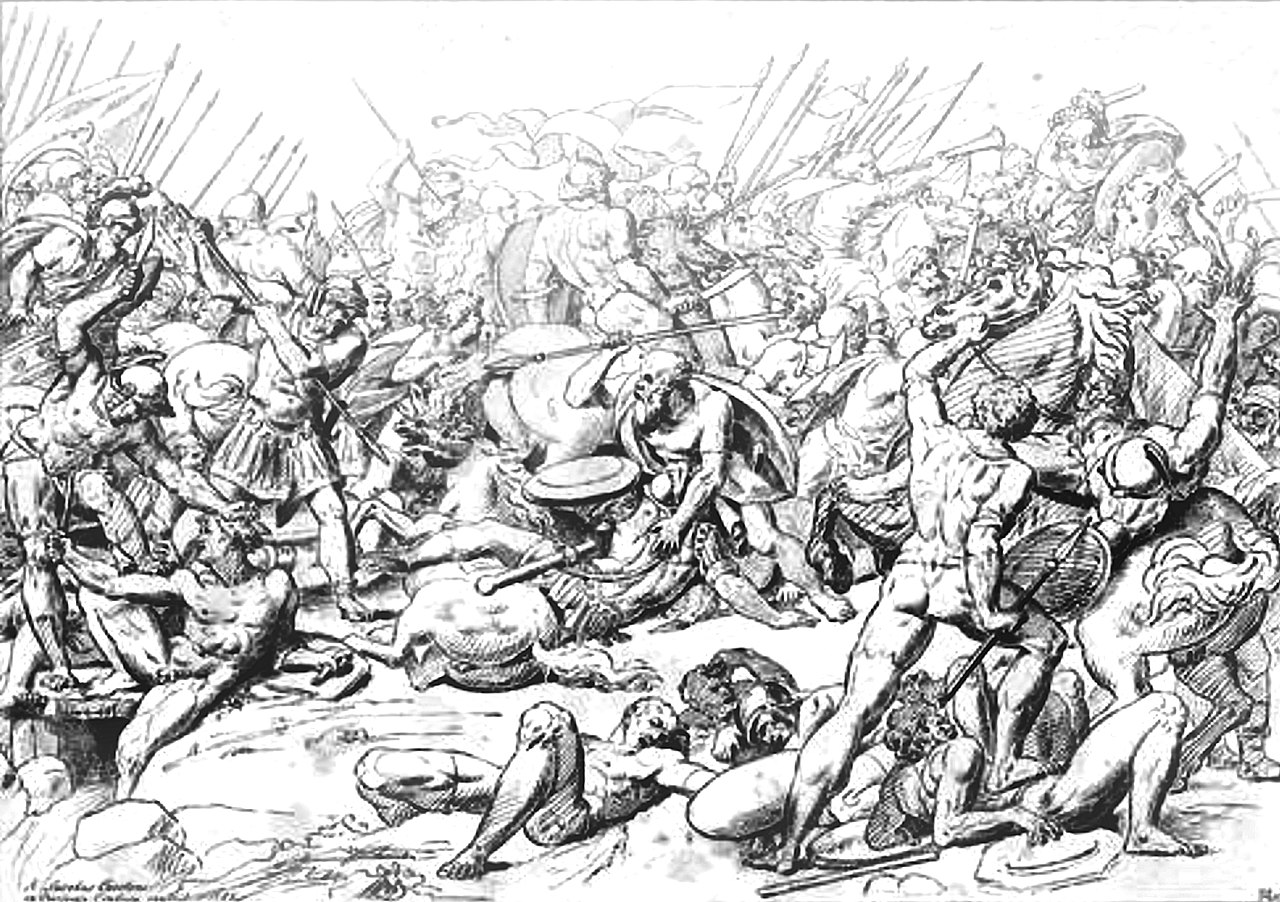
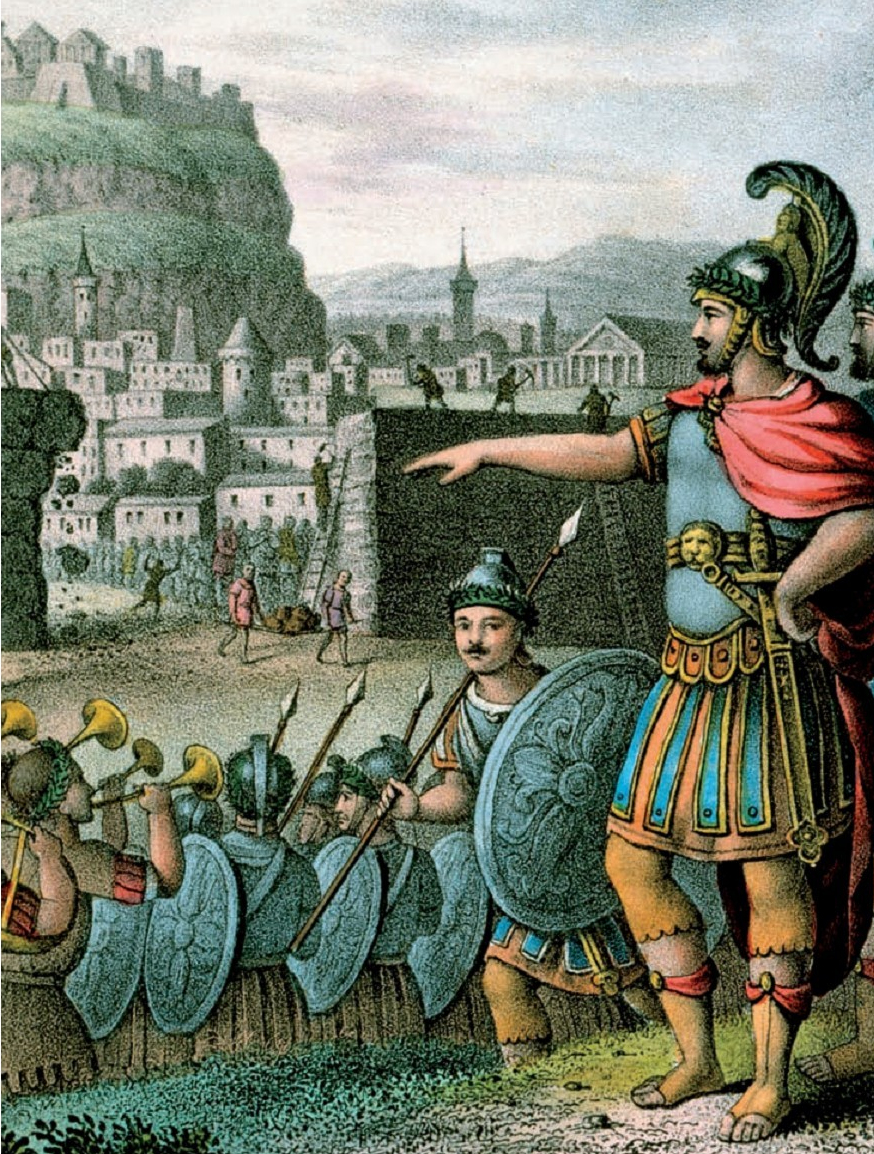
The Peloponnesian War (431–404 BC) was a protracted series of wars and political struggles that involved most of the Greek world. It pitted Athens, the leading sea power with an extensive network of allied or subject states, against the Peloponnesian League led by Sparta, the foremost land power of the era. The conflict combined traditional hoplite battles with sieges, naval operations, raids, and large-scale diplomacy, and it brought grave economic and demographic consequences to many Greek communities across Greece.
Image gallery
10 Images





Causes and context
Tensions grew from the growth of Athenian power after the Persian Wars and the imperial-like character of the Athenian alliance. Sparta and its allies viewed this expansion as a threat to the existing balance. Disputes over trade, alliance obligations, and regional influence produced a series of crises and episodes of proxy warfare that escalated into open conflict. The geography of the peninsula and the Aegean meant that control of the sea and control of land operated together as strategic factors throughout the war.
Major phases
Historians commonly divide the war into three principal phases characterized by shifting strategies and external involvement. In the Archidamian War (roughly 431–421 BC) Sparta repeatedly invaded Attica to draw the Athenians into land battles, while Athens relied on its walls and its navy to protect commerce and raid enemy coasts, including the Peloponnese. The brief peace of 421 BC, known as the Peace of Nicias, proved unstable and the fragile truce eventually collapsed.
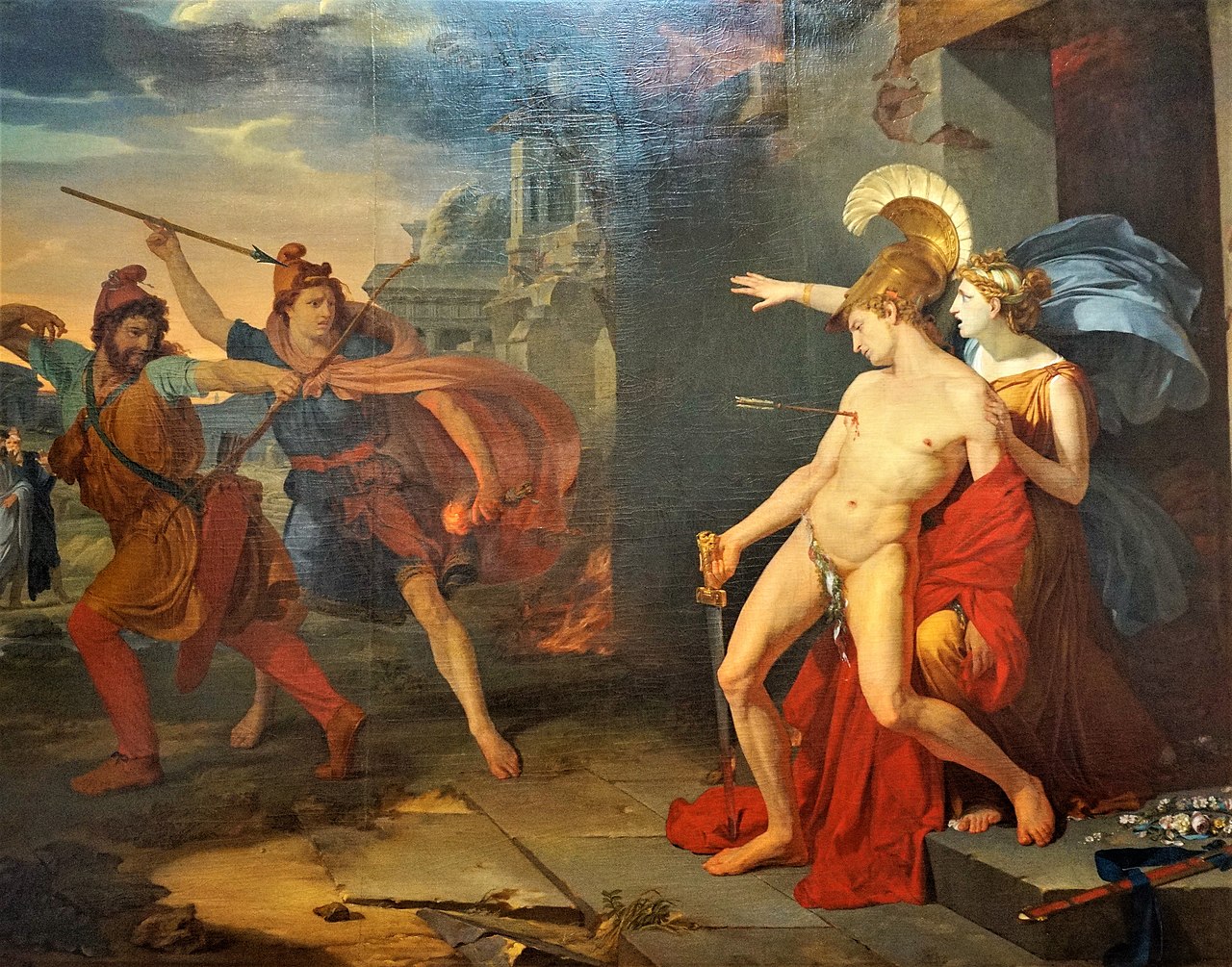
The second phase culminated in the Athenian expedition to Sicily (415–413 BC). This campaign, intended to secure additional resources and influence, ended in disaster for Athens: the fleet and most of its expeditionary force were lost, and the defeat dramatically weakened Athenian prestige and manpower. A charismatic but controversial figure during these events was Alcibiades, whose shifting loyalties and political career influenced military decisions and alliances.
In the final phase, often called the Decelean or Ionian War (413–404 BC), Sparta received financial support from the Achaemenid Empire. With Persian money Sparta built and maintained a fleet that challenged Athenian naval dominance, encouraged revolts among subject states throughout the Aegean, and fomented uprisings in Ionia. The sustained pressure, culminating in the destruction of the main Athenian fleet in 405 BC, forced Athens to surrender the following year.
Key figures and naval-land interaction
Many commanders and statesmen influenced the course of the war: Pericles guided Athenian strategy early on, Spartan generals such as Brasidas achieved notable successes on land, and naval commanders on both sides shaped the decisive sea battles. The war illustrates the interplay of sea power and land power—Athens could project influence by sea but was vulnerable on land, while Sparta could win ground victories but depended on allies and, ultimately, Persian gold to build a fleet capable of contesting Athenian control of the sea.
Consequences and legacy
The conflict left the Greek world exhausted and politically fragmented. Athens lost its empire, its long walls were torn down, and a brief Spartan hegemony followed. Economically the war strained many city-states and disrupted trade; demographically it reduced populations in contested areas. Politically, the war demonstrated the fragility of alliances and the decisive effect of external financing and diplomacy on internal Greek affairs.
Historiography and cultural response
Contemporary and near-contemporary accounts, most famously Thucydides' history, provide foundational narratives and analysis of the war's causes, events and consequences; later writers such as Xenophon and numerous dramatists and poets also responded to its events. The Peloponnesian War continues to be studied as a case of interstate rivalry, the problems of imperial power, and the moral and political dilemmas faced by states under prolonged stress. For further synthetic overviews and primary-source translations, consult standard references and annotated editions that gather contemporary evidence and later commentary.
Further reading and resources: introductory surveys and collections of primary texts illuminate military operations, diplomatic correspondence and the social impact of the war. For maps, archaeological reports and curated materials, see general histories and specialist studies that address naval technology, siegecraft and the economics of prolonged warfare.
Questions and answers
Q: What was the Peloponnesian War?
A: The Peloponnesian War was a military conflict fought by Athens and its allies against the Peloponnesian League, led by Sparta, in Ancient Greece.
Q: Who were the greatest sea and land power during the Peloponnesian War?
A: Athens was the greatest sea power and Sparta the greatest land power during the Peloponnesian War.
Q: What happened during the first phase of the Peloponnesian War?
A: During the first phase of the Peloponnesian War, known as the Archidamian War, Sparta repeatedly invaded Attica while Athens raided the coast of the Peloponnese.
Q: When did the first phase of the Peloponnesian War end and under what circumstances?
A: The first phase of the Peloponnesian War ended in 421 BC with the signing of the Peace of Nicias, but the treaty was undermined by renewed fighting in the Peloponnese.
Q: What happened in 415 BC during the Peloponnesian War?
A: In 415 BC, Athens dispatched a large force led by Alcibiades to attack Syracuse in Sicily. The attack failed and the entire force was destroyed in 413 BC, making Athens vulnerable.
Q: What was the final phase of the Peloponnesian War called and what did it entail?
A: The final phase of the Peloponnesian War was called the Decelean War, or the Peloponnesian War. In this phase, Sparta received support from the Achaemenid Empire and supported rebellions in Athens' subject states in the Aegean Sea and Ionia, undermining Athens' empire.
Q: When did the Peloponnesian War end and how did it end?
A: The Peloponnesian War effectively ended with the destruction of the Athenian fleet in a battle in 405 BC, and Athens surrendered in the following year.
Related articles
Author
AlegsaOnline.com Peloponnesian War (431–404 BC): Athens versus Sparta Leandro Alegsa
URL: https://en.alegsaonline.com/art/75507