
Thorbjörn Fälldin: Swedish Prime Minister and Centre Party leader
Thorbjörn Fälldin (1926–2016) was a Swedish farmer-turned-politician who led the Centre Party (1971–1985) and headed three coalition governments between 1976 and 1982, breaking long Social Democratic dominance.
Thorbjörn Fälldin was a Swedish politician and farmer who rose from local agrarian roots to become leader of the Centre Party and head of government in Stockholm during a period of political realignment. Born in 1926, he became nationally prominent in the 1970s and was notable for leading three coalition governments between 1976 and 1982. His career symbolised a shift away from uninterrupted Social Democratic rule and highlighted the role of rural and environmental concerns in Swedish politics.
Image gallery
9 Images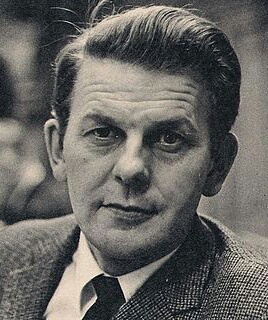


Political career and leadership
Fälldin was chosen to lead the Centre Party in the early 1970s and guided it through several national elections. He served as Prime Minister in three non-consecutive terms between 1976 and 1982, heading coalition administrations that brought together centre-right parties. His style was consensus-oriented and pragmatic, reflecting the Centre Party's agrarian and decentralist roots.
- Early life and background: he maintained a strong personal connection to farming and rural communities, which shaped his political priorities.
- First premiership: his first appointment in 1976 ended four decades of uninterrupted Social Democratic leadership at the national level.
- Coalition politics: he led coalition administrations that included several non-socialist parties and navigated internal disagreements on key issues.
Policies, controversies and legacy
Fälldin's governments worked within the broad Swedish welfare model while emphasising decentralisation, support for rural economies and environmental concerns. One of the most notable controversies of his time in office involved nuclear power: disagreements over the pace and limits of nuclear development contributed to political crises and at least one resignation from office. His approach emphasized compromise between competing priorities and parties rather than radical reform.
Historically, Fälldin is remembered for breaking the long dominance of the Social Democrats, for bringing agrarian perspectives back to the centre of national debate, and for demonstrating the influence of coalition governance in Sweden's parliamentary system. He remained leader of the Centre Party from 1971 until the mid-1980s, shaping its transition from a strictly agrarian movement toward a broader centrist platform.
Later life and notable facts
After leaving national office, Fälldin continued to be associated with his home region and rural affairs. He passed away on 23 July 2016 at his farm in Högsjö, in Ångermanland, aged 90. His career remains a reference point in modern Swedish political history for the dynamics of coalition leadership, the role of non‑professional politicians in government, and the interplay between urban and rural interests.
For further context on the political forces and institutions that shaped his time in office, readers can consult general histories of postwar Swedish politics and studies of coalition government dynamics in parliamentary democracies.
Author
AlegsaOnline.com Thorbjörn Fälldin: Swedish Prime Minister and Centre Party leader Leandro Alegsa
URL: https://en.alegsaonline.com/art/131874