
Ted Baillieu: Victorian politician and former Premier
Overview of Ted Baillieu, Liberal Party leader and Premier of Victoria (2010–2013), his political career, premiership, controversies and legacy.
Overview
Edward Norman "Ted" Baillieu (born 31 July 1953) is an Australian politician best known for serving as the 46th Premier of Victoria from December 2010 until March 2013. He represented the electorate of Hawthorn in the Victorian Legislative Assembly as a member of the Liberal Party and led the Victorian Division of the party from 2006 until his resignation as leader in 2013. Baillieu came to office after the Liberal–Nationals Coalition defeated the incumbent government led by John Brumby and the Australian Labor Party (ALP).
Image gallery
6 Images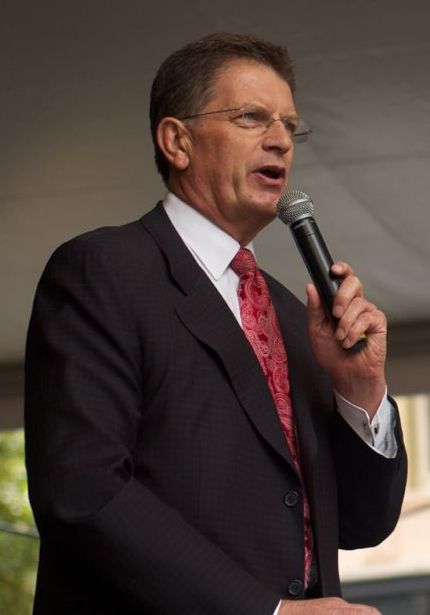


Early life and path to politics
Before entering parliament Baillieu had a background outside the political sphere that included private-sector experience and community involvement; this background helped shape his public identity as a candidate focused on managerial competence and fiscal discipline. He won the state seat of Hawthorn and served as a frontbench member and opposition figure through the 1990s and 2000s, gaining recognition within the Victorian Liberal Party and ultimately winning the party leadership in 2006.
Leadership and election
As leader of the Victorian Liberals Baillieu guided his party into the 2010 state election. The result produced a narrow majority for the Coalition in the Legislative Assembly, ending a period of Labor government in Victoria. His platform emphasized economic management, infrastructure priorities and a promise to restore public confidence in government operations; the Coalition formed a minority government that relied, at times, on support from crossbenchers to pass legislation.
Premiership: policies and challenges
Baillieu's time as premier saw efforts to implement the Coalition's agenda, manage state finances and navigate complex policy areas such as transport and services. His government faced the difficulties typical of slim majorities: negotiating with crossbenchers, responding to internal party pressures and maintaining unity. Public debate during his tenure touched on both achievements claimed by supporters and criticisms raised by opponents and commentators.
Controversies and resignation
Baillieu's leadership ended amid controversy and parliamentary instability. Concerns within his party about leadership effectiveness, together with a public scandal involving a senior staff member, eroded support. The immediate parliamentary trigger was the resignation of a Liberal backbencher, which deprived the government of a workable majority. On 6 March 2013 Baillieu announced his resignation as premier and party leader, citing both the political circumstances and the need for renewal within the party.
Legacy and significance
Ted Baillieu's premiership is remembered for the narrowness of his government's hold on power and for illustrating the fragility of majority in a closely divided parliament. His career highlights the interplay between party leadership, parliamentary arithmetic and public accountability in state politics. Assessments of his impact vary: supporters point to electoral success after a long period of opposition and a focus on managerial government, while critics emphasize the internal instability and controversies that accompanied his final months in office.
Key facts and timeline
- Born: 31 July 1953.
- Member for Hawthorn in the Victorian Legislative Assembly.
- Leader of the Victorian Liberal Party from 2006 to 2013.
- Premier of Victoria from 2 December 2010 to 6 March 2013.
- Resigned after loss of workable majority and amid staff-related controversy.
Author
AlegsaOnline.com Ted Baillieu: Victorian politician and former Premier Leandro Alegsa
URL: https://en.alegsaonline.com/art/131647