
Tammam Salam — Lebanese politician and former prime minister
Lebanese politician Tammam Saeb Salam (born 1945), son of statesman Saeb Salam, served as minister and became prime minister in 2014, leading a unity government during a prolonged presidential vacancy.
Tammam Saeb Salam (born 1945) is a Lebanese statesman who has played a central role in his country’s recent political life. A member of a prominent Sunni political family, he is widely regarded as a moderate, consensus-oriented figure. His career spans ministerial posts and ultimately the premiership, where he sought to bridge competing political blocs.
Image gallery
3 Images
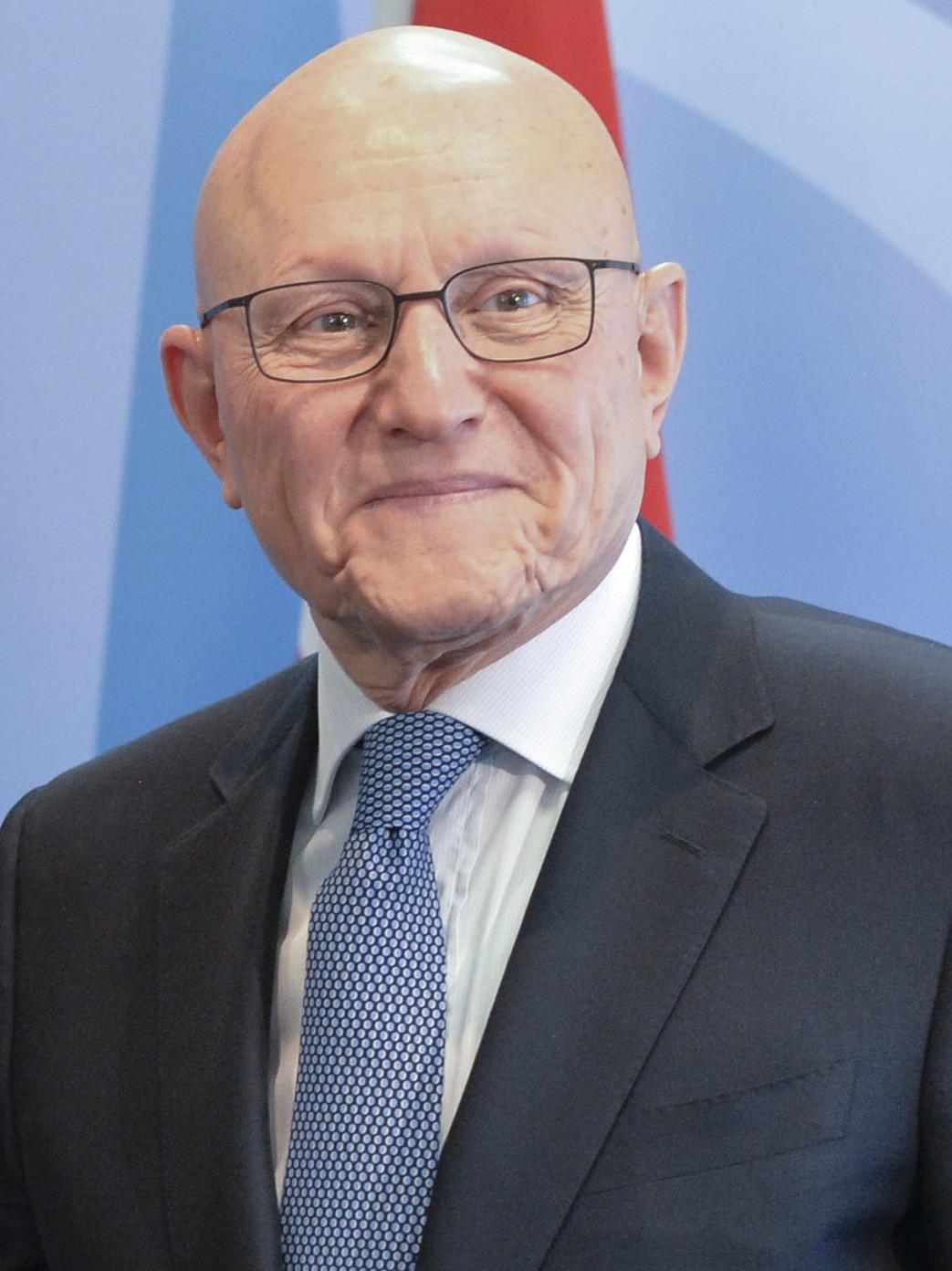

Background and early profile
Salam comes from a well-known political lineage: he is the son of Saeb Salam, a veteran Lebanese politician who served as prime minister in earlier decades. Tammam Salam entered public life as part of Lebanon’s Sunni community and built a reputation for cautious diplomacy. He has been described both as a Sunni leader and as a Lebanese politician able to work across factional lines.
Career and roles
Salam held several government positions before becoming prime minister. He served as Minister of Culture from 2008 to 2009 and participated in political negotiations among Lebanon’s rival coalitions. In the aftermath of a prolonged deadlock following the 2013 presidential transition, he was named prime minister-designate on 6 April 2013 and after lengthy consultations was elected Prime Minister on 15 February 2014.
- Minister of Culture (2008–2009)
- Prime Minister-designate (2013–2014)
- Prime Minister and head of a national unity government (2014–2016, caretaker until a successor took office)
His cabinet was presented as a compromise intended to include representatives of Lebanon’s major blocs. Salam’s government faced the challenges of regional spillover from the Syrian conflict, domestic economic pressures, and tensions over the role of armed groups within Lebanese politics.
Context and significance
One notable aspect of Salam’s tenure was that he assumed some presidential responsibilities during a long vacancy in the presidency between 2014 and 2016. In that period Lebanon lacked an elected president for many months, so the prime minister and cabinet took on limited constitutional duties to preserve basic state functions. Observers have generally described Salam’s approach as conciliatory — aiming to hold together a fragile political balance rather than impose sharp partisan policies.
Salam’s time in office highlights recurring features of Lebanese politics: sectarian power-sharing, the need for cross-bloc compromise, and the influence of regional conflicts on domestic governance. His selection as a compromise candidate and his stewardship through a presidential vacuum are often cited when analysts discuss mechanisms Lebanon has used to manage deep political divisions.
For further reading on Lebanese political institutions and recent history, see linked resources and overviews maintained by reputable sources and regional studies specialists.
Author
AlegsaOnline.com Tammam Salam — Lebanese politician and former prime minister Leandro Alegsa
URL: https://en.alegsaonline.com/art/131579