
Tallis Obed Moses
Ni-Vanuatu Christian pastor who served as President of Vanuatu from 6 July 2017 to 23 July 2022; known for his long ministry and tenure as the nation's ceremonial head of state.
Overview
Tallis Obed Moses (born 24 October 1954) is a ni-Vanuatu Christian pastor who served as President of Vanuatu from 6 July 2017 to 23 July 2022. His public profile blends long-standing religious leadership with a five-year term as the country’s head of state. As president he performed ceremonial duties and acted as a unifying figure above day-to-day politics.
Image gallery
1 Image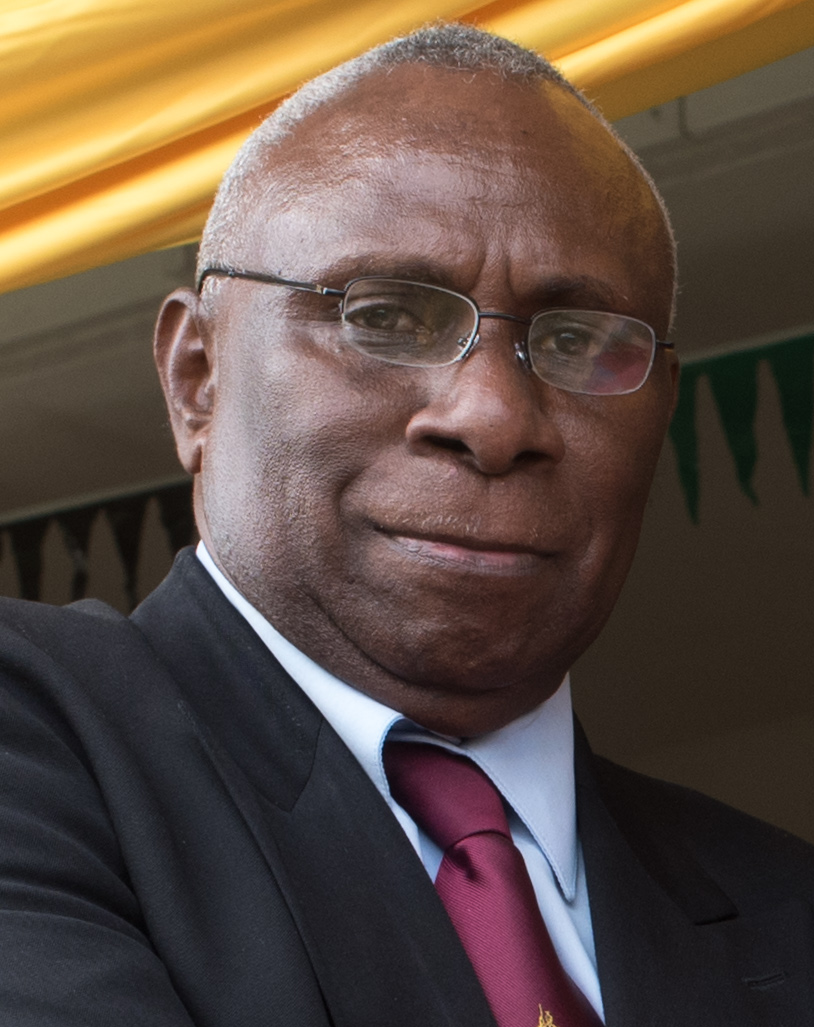
Religious and community leadership
Before and after his presidency, Moses was best known for his work in church ministry and community service. He spent much of his career in pastoral roles, providing spiritual guidance, leading congregations, and engaging with local social issues. His background as a pastor shaped his public image and informed his approach to civic responsibilities.
Presidency (2017–2022)
Moses was chosen by the national body responsible for selecting the head of state and inaugurated in July 2017. During his term he carried out constitutional and ceremonial functions typical of Vanuatu’s presidency, including representing the nation at formal events, receiving foreign envoys, and performing symbolic acts of national importance. He served until 23 July 2022, completing a single five-year term.
Role and responsibilities
- Acting as the formal head of state and symbol of national unity.
- Performing ceremonial duties such as state openings, honours, and receptions.
- Exercising reserve constitutional powers when required by law or convention.
- Engaging with civil society and religious communities across the islands.
Significance and legacy
Moses exemplifies the close relationship between faith and public life in Vanuatu, where church leaders often play prominent civic roles. His tenure reinforced the presidency’s role as a stabilizing and emblematic office, while his pastoral background highlighted the importance of moral and community-oriented leadership in the country’s public sphere.
Notable facts
Born in 1954, Moses is part of a generation that saw Vanuatu transition through decolonization and independence. His combination of religious experience and state service reflects patterns in Pacific island governance, where traditional, religious and modern political roles frequently intersect.
Author
AlegsaOnline.com Tallis Obed Moses Leandro Alegsa
URL: https://en.alegsaonline.com/art/131565