
Takeo Miki
Takeo Miki (1907–1988) was a Japanese politician who served as Prime Minister of Japan from 1974 to 1976, noted for his reformist stance and efforts to confront political corruption within the ruling party.
Overview
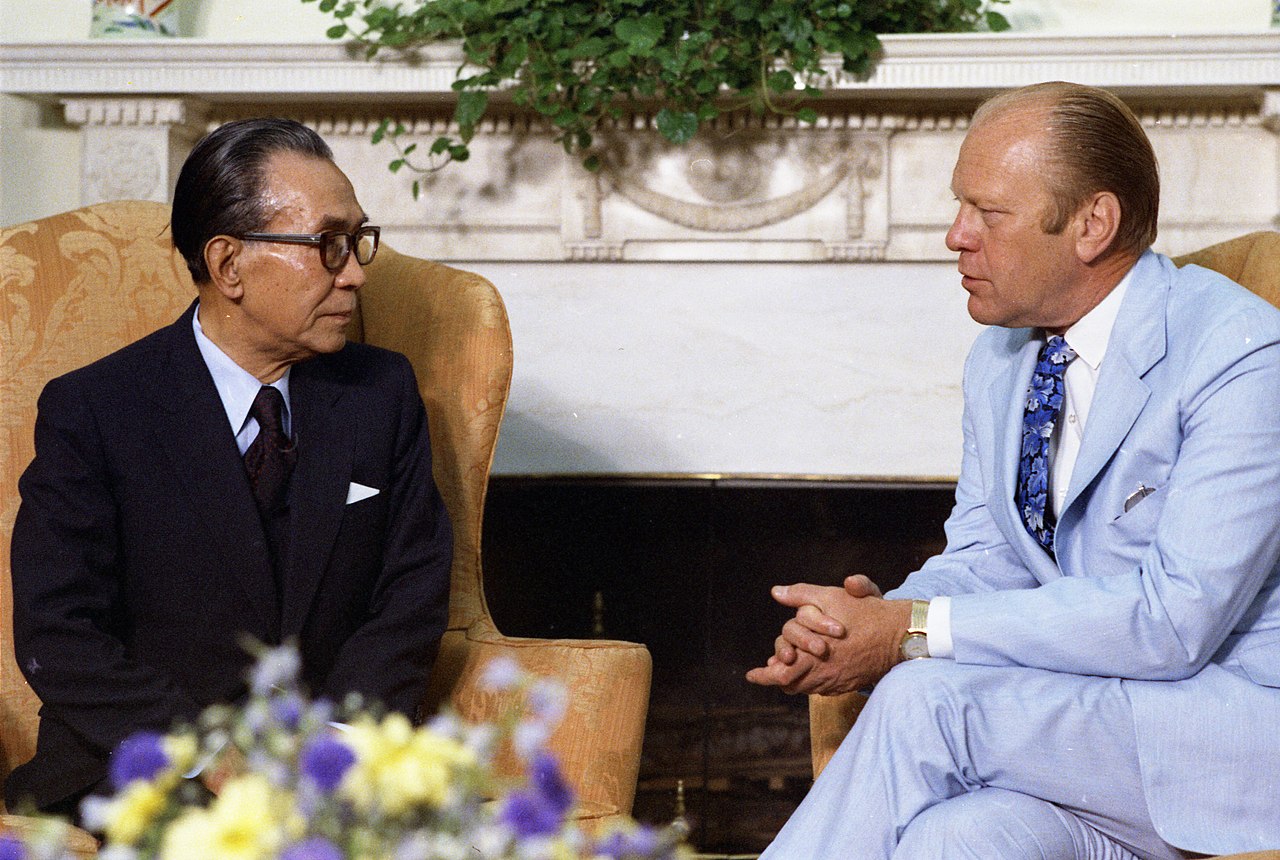
Takeo Miki (17 March 1907 – 14 November 1988) was a Japanese statesman who led the national government as Prime Minister of Japan from 1974 until 1976. A long-serving member of the Diet, he was associated with the ruling Liberal Democratic Party during a period of domestic political strain and international economic change.
Image gallery
7 Images




Political career and background
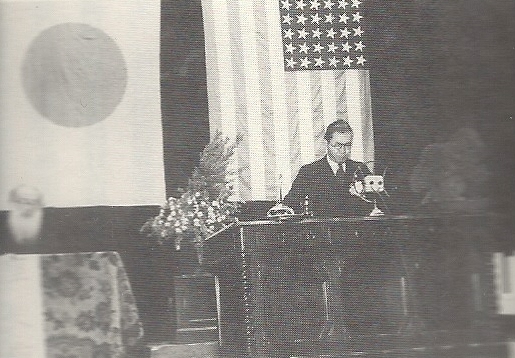
Miki built a lengthy parliamentary career marked by service in multiple roles within the government and within his party. He was known as an experienced legislator who navigated the factional structure of postwar Japanese politics. His appointment as prime minister came at a moment of division inside the party and public concern about political integrity.
Premiership (1974–1976)
As prime minister, Miki sought to restore public confidence in government and to address allegations of improper influence and corruption affecting political figures. His administration emphasized transparency and tried to distance policy-making from entrenched patronage networks. These efforts brought him into conflict with powerful party factions and made governing more difficult.
Policies and style
Miki's leadership combined pragmatic management of daily government affairs with a personal reputation for probity. Key aspects of his approach included:
- Public appeals for higher ethical standards in politics.
- Administrative measures to promote openness and accountability.
- An attempt to maintain Japan's economic stability amid global energy and market pressures of the 1970s.
Later life and legacy
After leaving the premiership in 1976, Miki remained a respected elder figure. Historians and commentators often remember him for attempting to confront corruption and for the political costs he incurred in doing so. His tenure is cited in discussions about party reform, political ethics, and the limits of factional power in Japan's modern party system.
Notable facts
Although his time as prime minister was relatively brief, Miki's insistence on integrity helped shape subsequent debates about transparency and accountability in Japanese government. His career illustrates the tensions that can arise when a leader from within a dominant party seeks to change longstanding practices.
Author
AlegsaOnline.com Takeo Miki Leandro Alegsa
URL: https://en.alegsaonline.com/art/131559