
Stuart Scott: ESPN Anchor, Sportscaster and Cultural Influencer
Profile of Stuart Scott (1965–2015), the ESPN SportsCenter anchor known for his energetic delivery, catchphrases, long cancer battle and lasting influence on sports broadcasting.
Overview
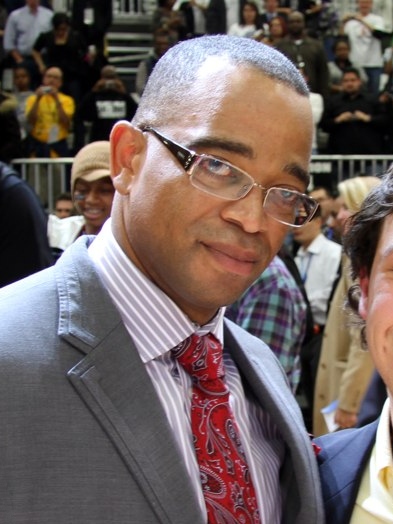
Stuart Orlando Scott (July 19, 1965 – January 4, 2015) was an American sportscaster best known for his work on ESPN and its flagship program SportsCenter. Born in Chicago, Illinois, he rose to national prominence for a presenting style that blended sports reporting with popular culture and verbal flair.
Image gallery
4 Images


Career and style
Scott joined sports television in the 1990s and became a recognizable face on late‑night highlight shows. He introduced an informal, rhythmic cadence and introduced slang and hip‑hop references to mainstream broadcasts, which helped broaden the perceived voice of sports media. His approach drew both acclaim for freshness and occasional criticism for breaking established broadcasting norms. For more on his career timeline, see a general profile here.
Notable phrases and public image
Scott was associated with memorable expressions that entered popular culture; a few of his commonly cited lines include:
- Catchphrases that emphasized excitement and personality
- Use of pop culture references to connect with younger viewers
- A confident on‑air presence that reshaped expectations for anchors
Health, awards and death
Scott battled cancer for several years and publicly chronicled aspects of that struggle, which drew widespread public sympathy. He was honored for perseverance and received recognition from peers and the sports community late in his life. Stuart Scott died in Avon, Connecticut; readers can find background on his illness described as appendix cancer here and a note about the place of his death here.
Legacy
Scott's impact is often discussed in terms of representation and style: he helped expand the accepted language and rhythms of sports broadcasting and inspired younger journalists to bring personal voice to national television. His career remains a reference point in conversations about diversity, cultural influence, and the evolving relationship between sports and popular culture.
Further reading and archival material are available through broader media collections and retrospective articles; a selection of external resources can be found via these links: birthplace reference, state context, and additional ESPN material about SportsCenter.
Author
AlegsaOnline.com Stuart Scott: ESPN Anchor, Sportscaster and Cultural Influencer Leandro Alegsa
URL: https://en.alegsaonline.com/art/131392