
Stephen III of Moldavia (Stephen the Great)
Prince of Moldavia (1457–1504) celebrated for resisting Ottoman expansion, founding monasteries and churches, and later canonized by the Romanian Orthodox Church as a national saint.
Stephen III (1433–2 July 1504), commonly known as Stephen the Great, ruled Moldavia from 1457 until his death in 1504. A member of the House of Muşat, he is remembered for preserving Moldavian independence during a turbulent century of Ottoman expansion, Hungarian and Polish rivalries, and internal dynastic pressure. In Romanian tradition his reputation is summarized in the names Ştefan cel Mare and, in later usage, Ştefan cel Mare şi Sfânt (Stephen the Great and Holy).
Image gallery
10 Images




Reign and military campaigns
Stephen’s reign was dominated by warfare. He won notable victories that halted Ottoman advances and discouraged incursions from neighboring powers. The most famous of these was the Battle of Vaslui (1475), widely regarded as a major victory against an Ottoman army. He also fought a costly engagement in 1476 against an Ottoman force that penetrated Moldavian territory; although that campaign was less decisive, Stephen’s subsequent tactics preserved the principality’s autonomy. Throughout his rule he formed shifting alliances with Poland and Hungary when strategic, while resisting direct subjugation.
Domestic policy and cultural patronage
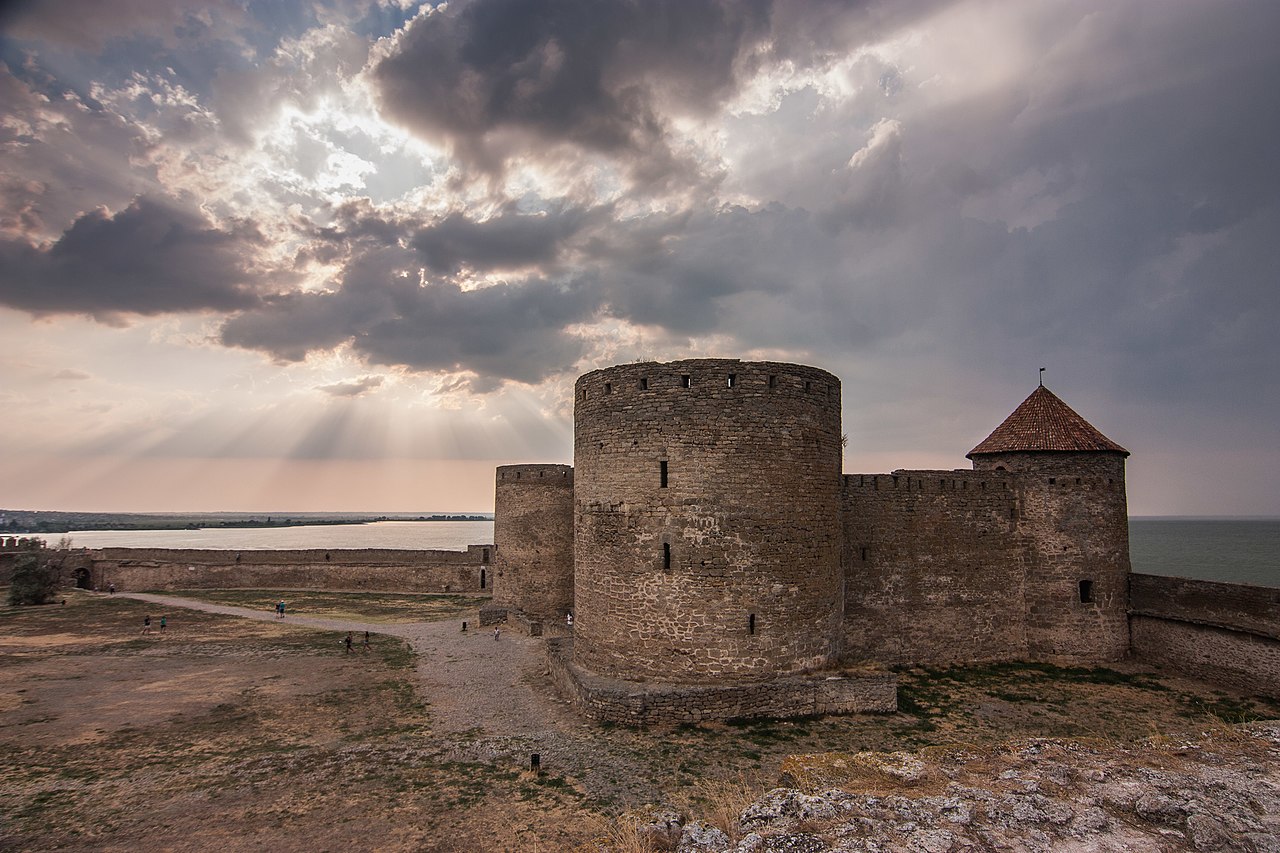
Beyond the battlefield, Stephen worked to strengthen central authority, the defensive system of fortresses, and the administrative structures of the principality. He is especially noted for an extensive program of church and monastery building across Moldavia. His most famous foundations include Putna Monastery, which became a spiritual and dynastic burial site, and Voroneț, known for its vivid exterior frescoes. These religious foundations served both devotional and political purposes, reinforcing his image as a pious ruler and a protector of Orthodoxy.
Legacy and canonization
Stephen’s long reign and firm resistance to foreign domination made him a central figure in Romanian historical memory and national mythology. His life and deeds have been commemorated in chronicles, monumental sculpture, folk traditions, and literature. The Romanian Orthodox Church recognized his spiritual and national significance by canonizing him as a saint in the late 20th century, granting him the title often seen in modern references.
Notable facts
- House: Member of the House of Muşat, a leading princely dynasty in Moldavia.
- Length of rule: One of the longest medieval reigns in the region, from 1457 to 1504.
- Military reputation: Celebrated for victories such as Vaslui (1475) and for skillful defense against larger powers.
- Cultural impact: Patron of dozens of churches and monasteries whose painted interiors remain important art-historical sites.
- Religious status: Venerated in Romanian Orthodox tradition as 'the Great and Holy.'
Stephen III occupies a central place in the history of southeastern Europe as a ruler who combined military leadership, statecraft, and religious patronage to preserve Moldavian identity at a time of intense regional change. His monuments and the monasteries he founded continue to attract scholarly attention and popular devotion.
Author
AlegsaOnline.com Stephen III of Moldavia (Stephen the Great) Leandro Alegsa
URL: https://en.alegsaonline.com/art/131230