
Stephen Breyer
Stephen Breyer (born 1938) is a retired Associate Justice of the U.S. Supreme Court, appointed by President Bill Clinton in 1994. He is known for pragmatic, pro-democratic jurisprudence and deference to administrative agencies.
Overview
Stephen Gerald Breyer (born August 15, 1938) served as an Associate Justice of the Supreme Court of the United States. Nominated by President Bill Clinton in 1994, Breyer built a reputation as a member of the Court's liberal wing who emphasized practical consequences, democratic values, and respect for administrative expertise. He announced his retirement in January 2022 and stepped down on June 30, 2022.
Image gallery
5 Images


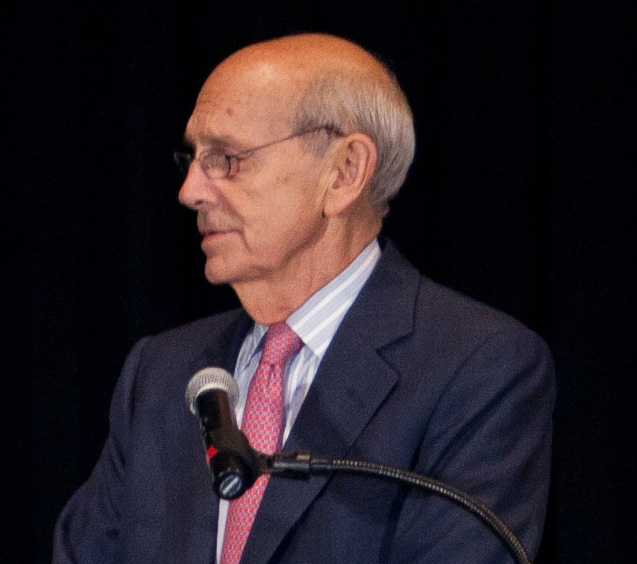
Background and career
Breyer trained at prominent universities and later combined academic work with government service and judicial office. Before joining the Supreme Court he taught at law schools, served in executive and legislative branch roles, and sat on the U.S. Court of Appeals for the First Circuit. His career blended scholarship and practice, shaping his preference for reasoned, pragmatic decision-making rather than theory alone.
Jurisprudence and key themes
Breyer's approach often centered on interpreting statutes and the Constitution with attention to purpose, real-world effects, and the workings of modern governance. He was a strong proponent of judicial deference to administrative agencies when those agencies acted within statutory authority, a principle associated with the so-called Chevron doctrine. Broad themes in his opinions and writings include:
- Pragmatic statutory interpretation that considers legislative intent and practical consequences.
- A focus on protecting democratic processes and civic participation.
- Respect for expertise within administrative agencies and limited judicial intervention when statutes grant authority to those bodies.
Writings and public engagement
Beyond opinions, Breyer authored books and essays explaining his judicial philosophy for a general audience, arguing that courts should interpret law in ways that support democratic governance and public accountability. His public-facing work made his ideas accessible to students, lawyers, and non-specialist readers interested in how courts influence everyday life.
Legacy and retirement
Breyer's tenure is remembered for careful, often pragmatic reasoning and an emphasis on institutional considerations. His retirement in 2022 marked the end of nearly three decades on the nation's highest court. He has been cited for promoting dialogue between the judiciary and other branches of government and for advocating transparency and reasoned explanation in judicial decisions.
Further reading: For case opinions, books, and public lectures by Breyer, consult major law libraries and collections of Supreme Court opinions. You can also follow linked resources above for official summaries and biographical material.
Author
AlegsaOnline.com Stephen Breyer Leandro Alegsa
URL: https://en.alegsaonline.com/art/131205