
Stanley Rous: English referee and FIFA president
Overview of Sir Stanley Rous (1895–1986), his roles as an international referee, long-serving Football Association secretary, FIFA president (1961–1974), reforms, controversies and legacy.
Overview
Sir Stanley Ford Rous (25 April 1895 – 18 July 1986) was a prominent English football administrator, international referee and long-time official of the Football Association. He served as secretary of the FA for several decades before becoming the sixth President of FIFA, a position he held from 1961 until 1974. He is remembered for professionalizing refereeing and for presiding over a period of rapid growth and change in world football.
Image gallery
3 Images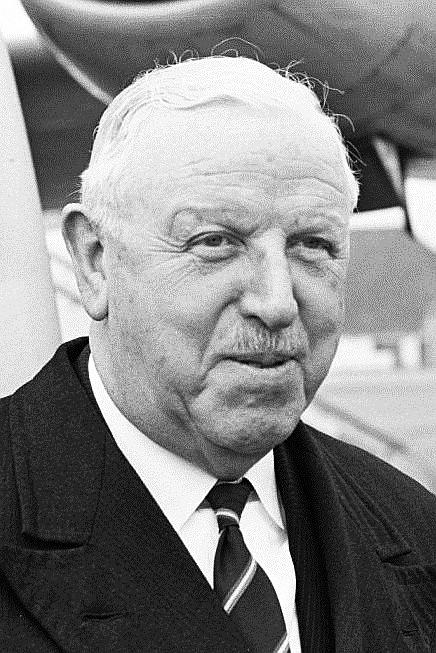


Career and reforms
Rous began his involvement in football on the pitch as a referee and later moved into administration. As secretary of the Football Association he promoted standardized laws, referee training and clearer procedures for international matches. During his FIFA presidency he oversaw administrative modernization at a time when television and international travel were expanding the game’s global reach. He supported technical education for referees and encouraged international cooperation between football authorities.
Key facts
- Born in 1895 and died in 1986.
- Long-serving secretary of the English Football Association; see the FA entry: Football Association.
- President of FIFA from 1961 to 1974; biographical material: biographical source.
Controversies and the 1974 election
Rous’s tenure was not without dispute. He argued that sport should remain distinct from political intervention, a stance that brought criticism during the era of decolonization and struggles against apartheid. Those tensions contributed to his defeat in the 1974 FIFA presidential election by João Havelange, who campaigned on development and greater inclusion for emerging football nations. The contest marked a turning point in FIFA’s governance and the distribution of influence within world football.
Legacy and assessment
Historians and football commentators assess Rous as a formative figure in shaping modern administration and refereeing standards. His work helped establish many of the organizational practices used by national associations and by FIFA during the mid-20th century. At the same time, debates over his positions on political questions of his time make his legacy complex: he is both credited with technical improvements to the game and critiqued for positions that some saw as out of step with changing global politics.
Further reading
For concise reference material and background on the institutions with which Rous was associated, consult official histories and archival summaries available through the governing bodies: the Football Association and general biographical entries such as the biographical source.
Author
AlegsaOnline.com Stanley Rous: English referee and FIFA president Leandro Alegsa
URL: https://en.alegsaonline.com/art/131135