
Souphanouvong — First President of the Lao People's Democratic Republic
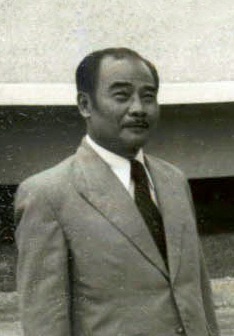
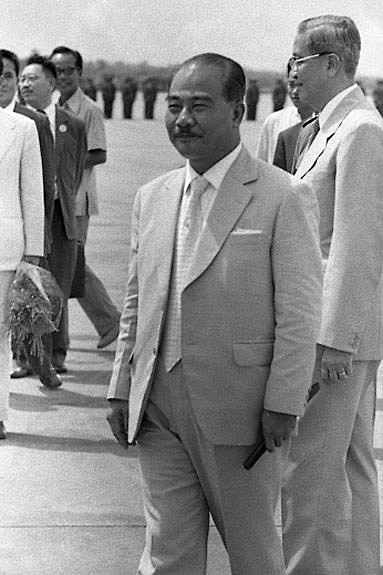
Souphanouvong (1909–1995), nicknamed "The Red Prince", was a Laotian royal and founding leader of the Lao People's Revolutionary Party who served as the first President of Laos from 1975 to 1991.
Overview
Souphanouvong (13 July 1909 – 9 January 1995) was a prominent Laotian political figure who played a central role in the country's 20th‑century transformation. Born into the Lao royal milieu, he later became a leading figure in the leftist movement that ended the constitutional monarchy and established the Lao People's Democratic Republic in 1975. He served as the nation's first head of state and was widely known by the sobriquet "The Red Prince."
Image gallery
4 Images

Background and political development
Raised in a family connected to the Lao monarchy, Souphanouvong moved from a background in traditional elite circles toward anti‑colonial and socialist politics during the mid‑20th century. Over several decades he allied with nationalist and communist currents in Laos, including the Pathet Lao movement. His aristocratic origins combined with his commitment to communist ideals made him a distinctive and symbolic leader during the revolutionary period.
Leadership and office
After the Pathet Lao gained control of most of the country in 1975, Souphanouvong became the first president of the newly proclaimed Lao People's Democratic Republic. He held that ceremonial and unifying office until 1991, during which time political authority was exercised collectively by the ruling party. He was a founding leader of the Lao People's Revolutionary Party and remained an important public figure even as other party leaders managed day‑to‑day government affairs.
Notable facts
- Nickname: "The Red Prince" for his royal origin and communist politics.
- Served as the first President of Laos (1975–1991).
- Founding leader of the Lao People's Revolutionary Party.
- Died on 9 January 1995; remembered as both a revolutionary and a national symbol.
Legacy and assessment
Souphanouvong's legacy is complex. For many, he provided crucial symbolic continuity during a sharp political break from monarchy to single‑party rule, helping to legitimize the new government at home and abroad. Observers also note that his role was often more emblematic than executive, with major policy decisions shaped by party institutions and allied communist states. He remains a central figure in modern Laotian history, cited in discussions about nationalism, revolutionary transformation, and the interplay between traditional elites and radical politics.
Author
AlegsaOnline.com Souphanouvong — First President of the Lao People's Democratic Republic Leandro Alegsa
URL: https://en.alegsaonline.com/art/131074