
Borgerhout: an overview of Antwerp’s smallest district
Borgerhout is the smallest district of Antwerp, Belgium. A densely built, multicultural neighbourhood east of the city centre, noted for its local commerce, varied housing and active cultural life.
Overview
Borgerhout is the smallest district of the city and lies immediately east of Antwerp in the region of Flanders, Belgium. It is a compact, densely populated urban neighbourhood with a mix of residential streets, small commercial corridors and public squares. Official counts have placed its population at roughly 45,000 people in the early 2010s, making it one of the city's most concentrated districts.
Image gallery
4 Images


Characteristics and built environment
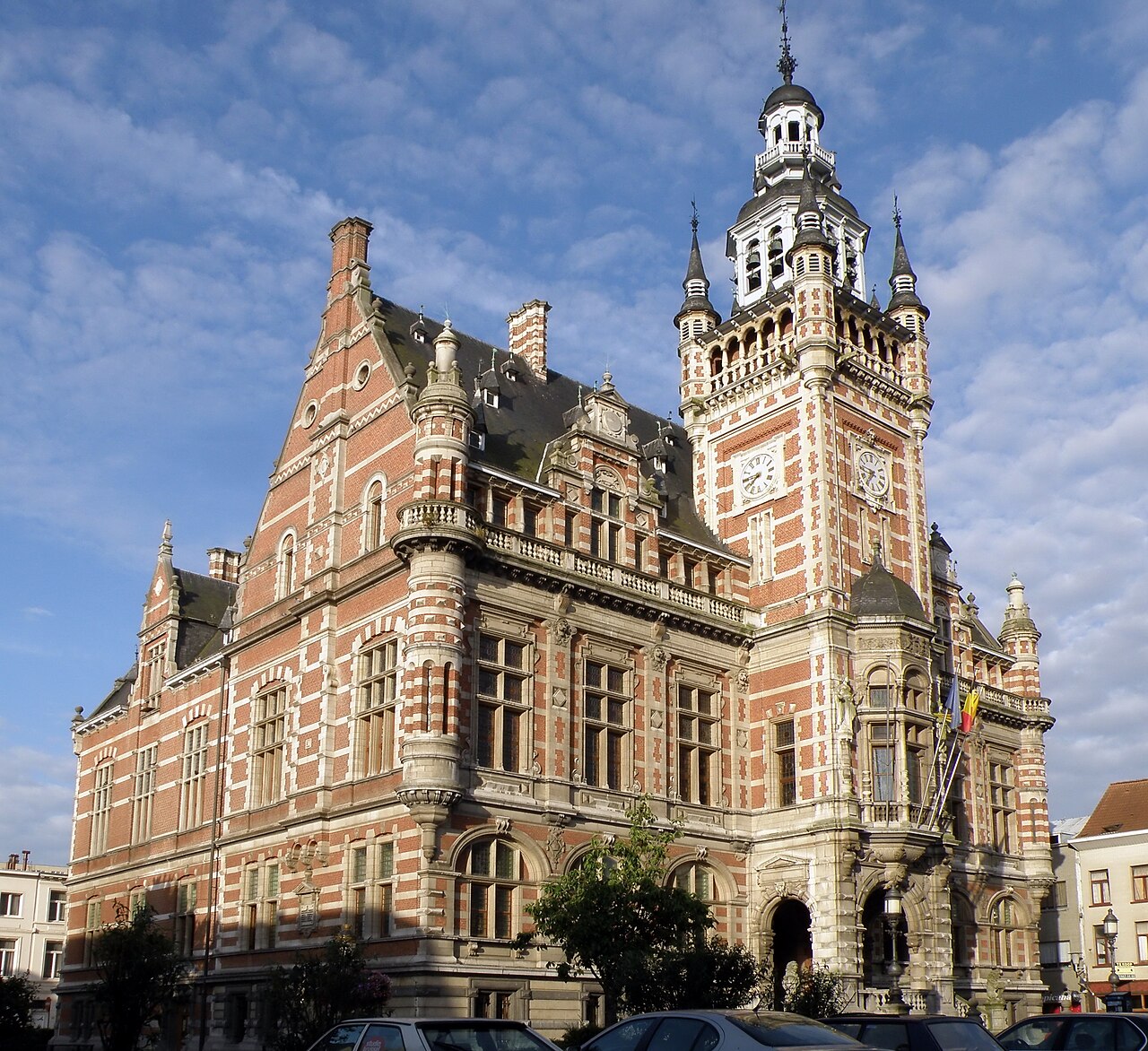
The district is marked by a blend of late 19th and early 20th century housing, interspersed with apartment buildings and smaller shops at street level. Narrow streets, short blocks and several modest parks and plazas give Borgerhout a neighbourhood feel despite its urban density. Local commerce — bakeries, cafes, independent retailers and ethnic eateries — serves both residents and visitors.
History and development
Borgerhout evolved from suburban and semi-rural origins into a fully urbanised quarter during the period of Antwerp’s industrial and demographic expansion. It was historically a distinct community that became incorporated into the wider municipality as the city grew. Many of its streets and buildings reflect the era of rapid urbanisation around the turn of the 20th century.
Culture, population and notable facts
The district has a multicultural population and a lively local cultural life, with community centres, small music venues and varied culinary offerings. It has sometimes been nicknamed informally in popular media to reflect its strong North African and immigrant communities, illustrating its ethnic diversity. Borgerhout is also known as the birthplace of the singer-songwriter Milow, which is one of its widely reported contemporary associations.
Practical notes and local highlights
Visitors and residents value Borgerhout for its accessible neighbourhood atmosphere and its proximity to Antwerp’s centre. It is served by local public transport and offers easy links to wider parts of the city. Typical points of interest include:
- diverse food and restaurant scene representing several cuisines;
- period residential architecture and streetscapes from the late 19th and early 20th centuries;
- local markets, small cultural venues and community initiatives that reflect its mixed population.
As a small but vibrant part of Antwerp, Borgerhout is often experienced as a neighbourhood where everyday urban life, cultural variety and local commerce meet.
Tags
Related articles
Author
AlegsaOnline.com Borgerhout: an overview of Antwerp’s smallest district Leandro Alegsa
URL: https://en.alegsaonline.com/art/13097