
Shemp Howard — American comedian and actor, original and returning Stooge
Shemp Howard (1895–1955) was an American comedian and actor, an original member of the Three Stooges troupe and later its returning member. Known for his improvisational style and influence on slapstick comedy.
Overview
Shemp Howard (born Samuel Horwitz; March 11, 1895 – November 22, 1955) was an American comedian and film actor from Brooklyn, New York. He is best known for his long association with the comedy team that became the Three Stooges. Often cast as the quick-witted, exasperated foil to his brothers, Shemp combined vaudeville experience with a distinct on-screen persona that helped define mid-20th century slapstick.
Image gallery
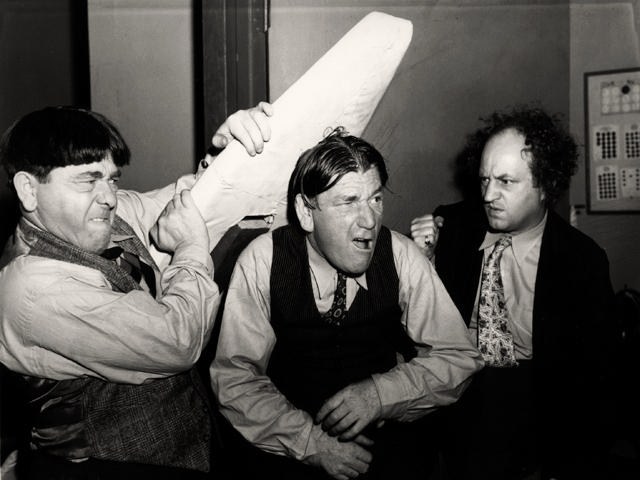
6 Images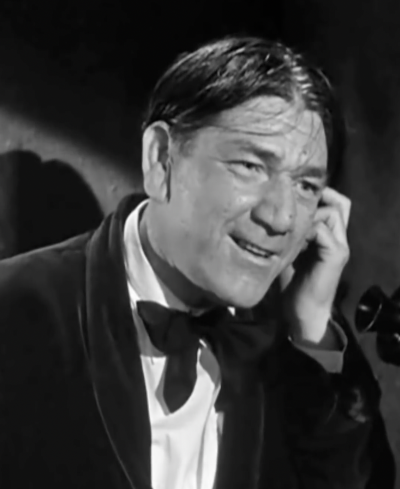



Early career and development
Shemp began performing in vaudeville and with comedian Ted Healy in the 1920s, appearing in stage revues and early talking pictures. He was an original member of the Healy troupe but left to pursue solo work; his departure led to his younger brother Jerome (Curly) joining the group. During his solo years Shemp worked in short films, radio, and nightclubs, honing a more improvisational and verbal comedic style than some of his contemporaries.
Return to the Stooges and screen work
After Curly suffered a debilitating stroke in the mid-1940s, Shemp returned to the group and resumed the stooge role he had originated. He appeared in numerous short subjects and occasional feature films for Columbia Pictures, where his blend of sarcastic asides, sudden exclamations, and physical pratfalls became signature elements. Compared with Curly’s childlike exuberance, Shemp’s humor was often gruffer, wry, and more reactive.
Legacy and notable facts
Shemp died suddenly in 1955, and Columbia completed several short films using stand-ins and existing footage. That practice gave rise to the industry term "fake Shemp," later used more generally to describe a body double or editing technique. His work influenced later generations of slapstick performers and remains a key part of the Three Stooges’ enduring popularity.
- Birthplace: Brooklyn — see more on his early life: Brooklyn biography.
- Solo and group career: details of his film and stage work: career overview.
- Filmography: lists of shorts and features: filmography.
- Biography resources: comprehensive life summary: biography source.
- Three Stooges context: the troupe’s history and members: Three Stooges background.
For further reading, archival materials and curated retrospectives provide insight into Shemp’s approach to comedy, his collaborations with brothers Moe and Curly, and the studio practices that shaped his later screen appearances. Additional reference collections and fan sites compile his appearances and contextualize his contribution to American popular comedy: selected film listings.
Author
AlegsaOnline.com Shemp Howard — American comedian and actor, original and returning Stooge Leandro Alegsa
URL: https://en.alegsaonline.com/art/130833