
Sheila Varian: American Arabian-horse breeder and trainer
Sheila Varian (1936–2016) was a prominent American breeder and trainer of Arabian horses, known for vaquero-influenced training, championship bloodlines, and contributions to U.S. equestrian culture.
Overview
Sheila Varian was an American breeder and trainer best known for her work with Arabian horses. Born on August 8, 1936, in Santa Maria, California, she became a central figure in the development of Arabian bloodlines and horsemanship in the United States. Varian combined careful breeding with a gentle, classical approach to training and produced numerous animals that succeeded in show, performance and breeding programs nationwide.
Image gallery
6 Images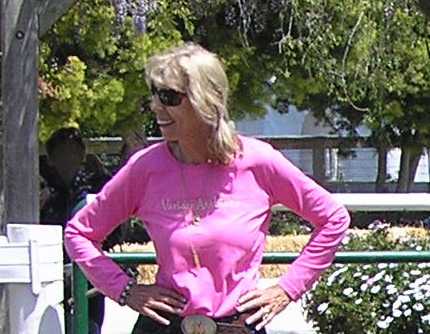


Career and methods
Varian's professional career is often dated from the early 1960s. She became known for methods influenced by the Spanish and Californian vaquero traditions: slow, progressive training that emphasizes light cues, desensitization and partnership between horse and rider. Her approach favored calm handling, consistent groundwork and an emphasis on balance and suppleness before introducing demanding tasks.
Breeding program and achievements
Operating from California, Varian maintained a selective breeding program focused on type, temperament and athleticism. Her program produced many horses that won regional and national competitions, and her animals were widely used for both showing and as foundation stock for other breeders. Judges and fellow breeders recognized her eye for conformation and rideability.
Recognition and legacy
Throughout her life Varian received awards from major equestrian organizations, including honors from the United States Equestrian Federation. In 2003 she was inducted into the National Cowgirl Museum and Hall of Fame, acknowledging her role as a woman who shaped Western and equestrian culture. Her methods and horses influenced trainers, breeders and competitors across multiple disciplines.
Notable facts
- Sheila Varian blended traditional vaquero techniques with modern horsemanship principles.
- Her breeding emphasis balanced aesthetic qualities of the Arabian with practical performance traits.
- She was a visible female leader in a field where large breeding operations were often male-dominated.
Death
Varian died on March 6, 2016, in Arroyo Grande, California. The cause of death was ovarian cancer. Her passing prompted tributes from the Arabian horse community and from riders who had trained with or been influenced by her work.
Author
AlegsaOnline.com Sheila Varian: American Arabian-horse breeder and trainer Leandro Alegsa
URL: https://en.alegsaonline.com/art/130818