
Sheila Abdus‑Salaam
American jurist (1952–2017), the first African-American woman on New York's highest court; her death in 2017 prompted investigation and public discussion about mental health and judicial service.
Overview
Sheila Abdus‑Salaam (born Sheila Turner; March 14, 1952 – April 12, 2017) was an American judge who served on the New York Court of Appeals, the state’s highest court. Widely noted for the historic nature of her appointment, she became a prominent figure in discussions about diversity on the bench and the representation of women and minorities in the judiciary.
Image gallery
1 Image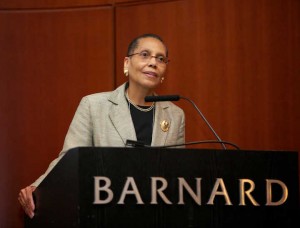
Early life and education
Born in 1952, Abdus‑Salaam grew up in the Washington, D.C., area and pursued higher education in New York. She earned degrees that prepared her for a legal career and later practiced and taught law before entering the judiciary. At various times she used the surname Turner and later adopted the name Abdus‑Salaam.
Judicial career and roles
Abdus‑Salaam spent decades working in New York’s courts. Her judicial service included roles at the trial-court level and subsequent elevation to the state’s highest court, where she served until her death. Her appointment was marked by several firsts and drew national attention.
- Longstanding service in New York’s court system, including trial-court experience.
- Appointment to the New York Court of Appeals, where she served as an associate judge.
- Recognition for advancing perspectives on equality and access to justice.
Judicial approach and significance
Abdus‑Salaam was known for reasoned opinions and for engaging with issues of civil rights, family law and procedural fairness. Her elevation to the Court of Appeals was widely reported as a milestone: she was the first African‑American woman to sit on that court, and media accounts also noted her identity as a Muslim woman in the judiciary. Her presence on the court contributed to conversations about diversity, judicial perspectives, and the importance of representative institutions.
Death and aftermath
On April 12, 2017, Abdus‑Salaam was found deceased in the Hudson River on the Manhattan side after having been reported missing from her home in Harlem. Initial police reporting described circumstances suggesting she had entered the water of the Hudson River, and early statements indicated investigators were treating the case as a possible suicide. Later inquiries and the medical examiner’s review generated further attention; authorities and commentators urged careful handling of the facts and respect for the family while investigations continued. News coverage and public discussion referenced official commentary about her struggles with mental health and the need for support for those in high-pressure public roles (police and reporting).
Legacy and notable facts
Abdus‑Salaam’s career is remembered for breaking barriers on New York’s highest court and for raising broader questions about representation and the pressures faced by judges. Her death provoked discussion about mental health, the responsibilities of judicial institutions to support their members, and how milestones of diversity are commemorated. Tributes and critical reflections followed her passing, and her name remains associated with both legal accomplishment and the unresolved questions that followed her death.
Further reading and links: See contemporary coverage and court opinions for detailed context; source materials and official statements provide primary documentation of her service and the investigation into her death.
Author
AlegsaOnline.com Sheila Abdus‑Salaam Leandro Alegsa
URL: https://en.alegsaonline.com/art/130812