
Sebastián Piñera
Chilean businessman and politician who served as president from 2010–2014 and 2018–2022; noted for a career bridging private enterprise and centre‑right politics and for leading Chile through major crises.
Overview
Miguel Juan Sebastián Piñera Echenique (born December 1, 1949) is a Chilean businessman and politician who served two non‑consecutive terms as President of Chile (2010–2014 and 2018–2022). Known for combining a prominent private‑sector career with centre‑right political leadership, he has been both a wealthy investor and an elected official. His public life has been marked by major national events, economic reform efforts, and periodic controversy over business interests and social policy.
Image gallery
10 Images


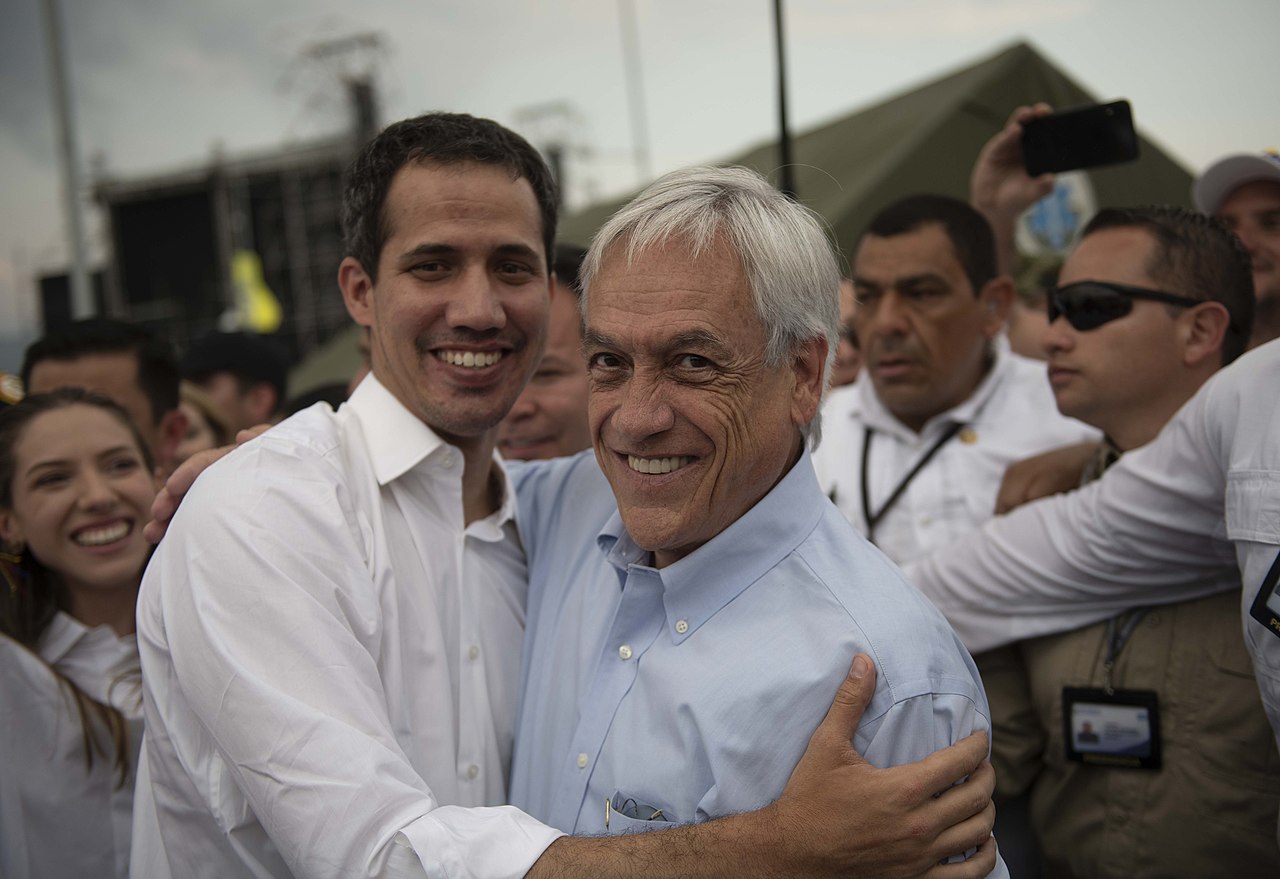


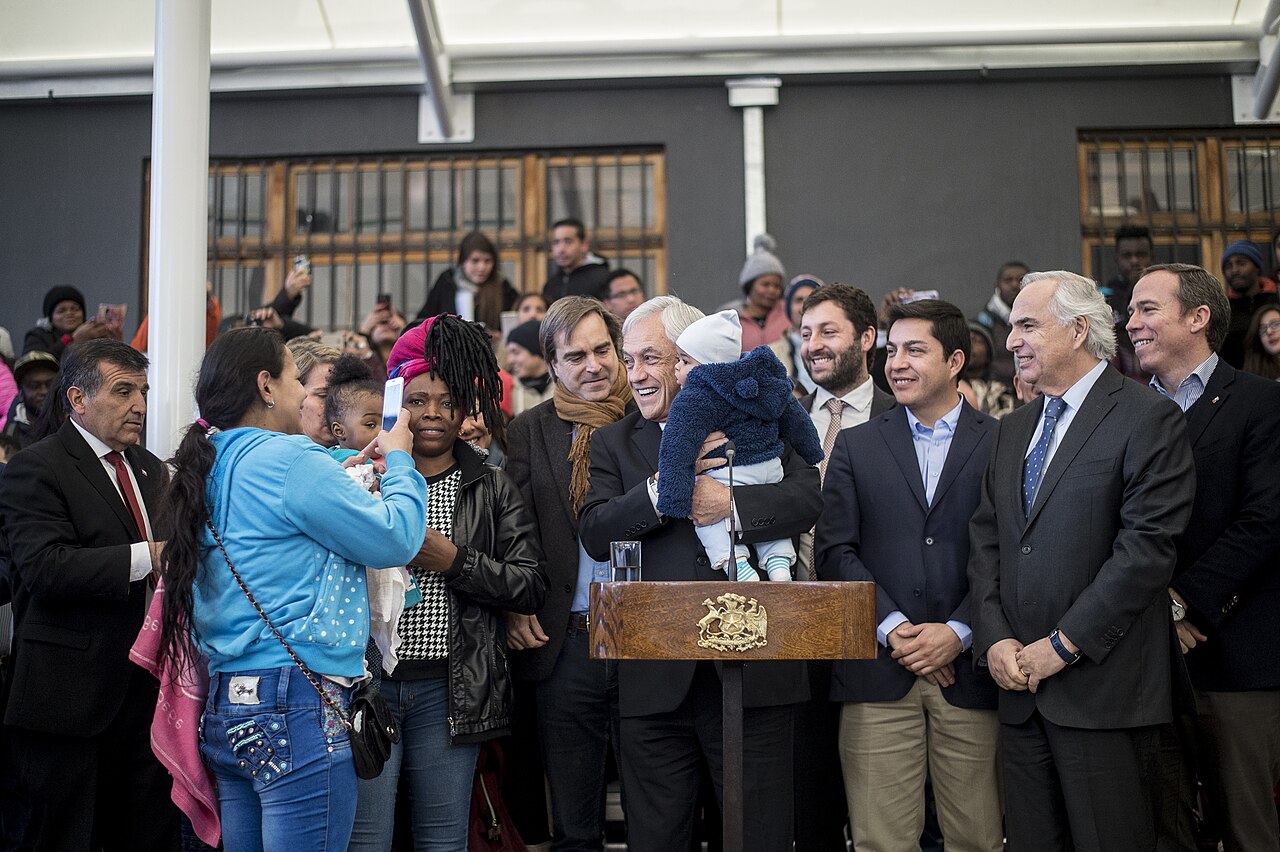
Early life and education
Piñera grew up in a prominent Chilean family and trained in economics and business. He completed undergraduate studies in Chile and pursued graduate study at Harvard University. His academic background informed both his business strategies and his economic priorities as a public official.
Business career
Before returning to politics he built a broad portfolio of investments across sectors including finance, airlines, media and technology. Over decades in the private sector he became one of the country's best‑known businessmen and is widely reported as a billionaire, with diverse holdings and frequent public attention to potential conflicts between his investments and public duties (wealth reports).
Political career and presidencies
Piñera entered national politics in the post‑dictatorship era and later led centre‑right coalitions in presidential campaigns. He first won the presidency in a runoff held January 17, 2010 and assumed office on March 11, 2010. He won a second presidential term after the 2017 election and took office again on March 11, 2018.
- First term highlighted by reconstruction after the February 2010 earthquake and the widely publicized rescue of 33 miners later that year.
- Second term saw sustained social unrest beginning in 2019 linked to inequality and public demands for constitutional and social reforms; this led to a national process to draft a new constitution.
Policies, challenges and legacy
Piñera promoted market‑oriented economic policy, trade openness and private‑sector participation in public services, while also enacting social measures in response to protests and public pressure. His administrations faced criticism over perceived ties between business and government and for responses to mass demonstrations. Assessments of his legacy vary: supporters credit economic stability and pragmatic governance, while critics point to inequality and contested public‑order decisions.
Electoral history and personal notes
He led centre‑right coalitions in multiple campaigns and served earlier in legislative bodies before becoming president. Outside politics he is frequently covered in the media for his business activities and family life. For further reading about Chile and aspects of his career, see the linked resources above.
Author
AlegsaOnline.com Sebastián Piñera Leandro Alegsa
URL: https://en.alegsaonline.com/art/130640