
Sean Spicer — American political strategist and former White House Press Secretary
Sean Spicer is an American political strategist who served as the 30th White House Press Secretary and briefly as White House Communications Director in the Trump administration; formerly an RNC communications official.
Sean Michael Spicer (born September 23, 1971) is an American political strategist known for his role in the early months of the administration of President Donald Trump. He served as the 30th White House Press Secretary and initially also held the post of White House Communications Director. Prior to joining the White House staff, Spicer was a senior communications official at the Republican National Committee and worked for Republican campaigns and committees.
Image gallery
4 Images
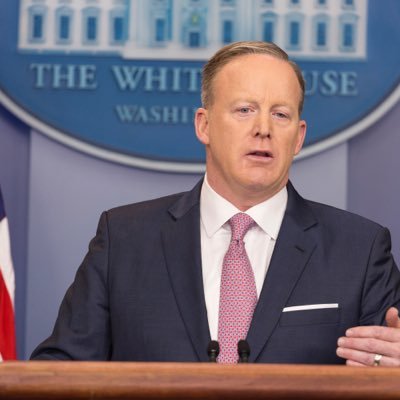


Role and responsibilities
The White House Press Secretary is the principal spokesperson for the administration on official matters and is responsible for briefing the press, explaining policy positions, and coordinating public messaging. During his time in the West Wing, Spicer led daily briefings, prepared statements for the press office, and helped shape how the administration presented information to the public and media. He initially combined the press secretary duties with oversight of broader strategic communications.
Career background and appointment
Spicer served as communications director of the Republican National Committee from 2011 to 2017 and was described as a chief strategist for parts of that period. On December 22, 2016, he was named as the incoming White House Press Secretary and was also identified two days later to serve simultaneously as White House Communications Director. He formally assumed both roles when the new administration was inaugurated on January 20, 2017.
Tenure, controversies, and resignation
Spicer's time as press secretary was marked by intense media attention and several contentious encounters with reporters. He became widely known for disputing public accounts of matters such as inaugural crowd sizes and for clashes over factual claims and sourcing. These exchanges prompted debate about press access, factual accuracy and the tone of White House-press relations. Spicer announced his intention to resign on July 21, 2017, and departed the White House at the end of August that year.
After the White House and public profile
Following his departure, Spicer continued to work in communications, media commentary and public speaking. Like many former administration officials, he engaged in consulting, appeared on broadcast programs, and participated in political events. His time in the West Wing made him a recognizable figure in discussions about modern presidential communications and media strategy.
Notable facts and legacy
- He was the 30th person to serve as White House Press Secretary and initially held two senior communications roles at once.
- His tenure was relatively brief compared with some predecessors, and it was accompanied by public controversies that highlighted tensions between the administration and the press corps.
- Observers cite his period in office as influential in debates about media relations, rapid-response messaging, and the role of the press secretary in an era of social media and instantaneous news cycles.
For further official context about the office he held and the organization where he worked previously, see the pages linked above. The broad contours of Spicer's career illustrate the changing demands on political communicators in contemporary American government and the public scrutiny that accompanies high-profile White House roles.
Author
AlegsaOnline.com Sean Spicer — American political strategist and former White House Press Secretary Leandro Alegsa
URL: https://en.alegsaonline.com/art/130636