
Sam Nujoma — first President and founding leader of modern Namibia
Sam Nujoma (born 12 May 1929) is a Namibian statesman who led SWAPO and served as Namibia's first president from independence in 1990 until 2005, widely regarded as a founding father of the nation.
Samuel Daniel Shafiishuna "Sam" Nujoma (born 12 May 1929) is a prominent Namibian political leader and independence activist. He led the South West Africa People's Organization (SWAPO) during the anti-colonial struggle and became the first president of an independent Namibia when the country gained sovereignty in 1990. Nujoma is broadly regarded as a founding figure in Namibia's modern history.
Image gallery
8 Images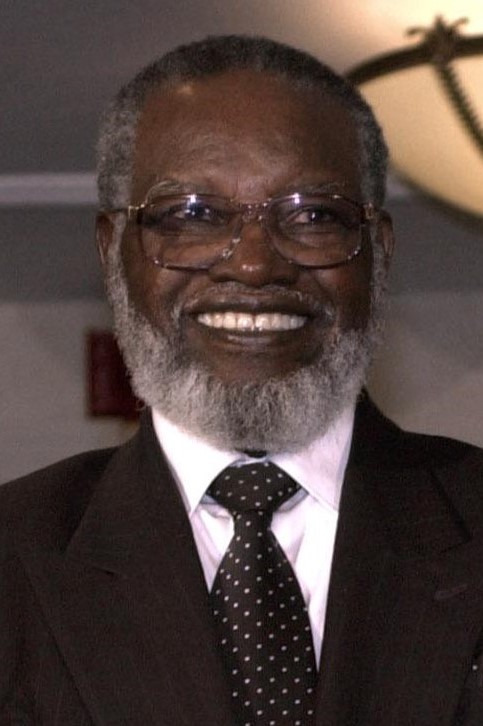



Early life and political rise
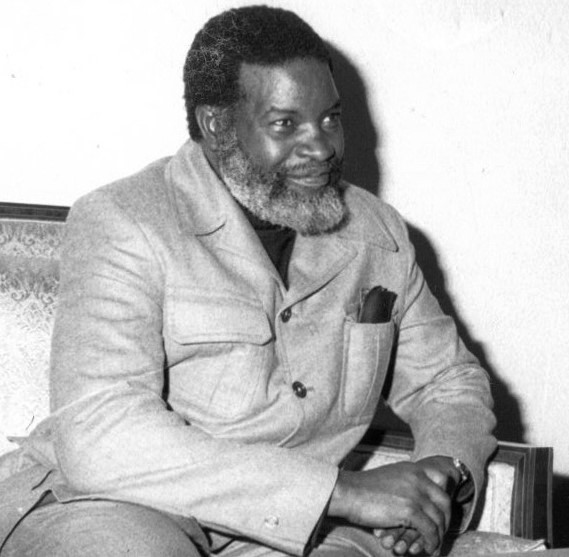
Nujoma grew up under South African administration of the territory then called South West Africa. In the mid-20th century he became active in nationalist politics; he helped organize resistance to colonial rule and was a key leader in the formation and international recognition of SWAPO. During the liberation struggle he spent long periods abroad, working to build diplomatic support and organising the movement's political and armed wings.
Presidency and priorities
When Namibia achieved independence, Nujoma became its first head of state. His government emphasized national reconciliation after decades of conflict, state-building, and extending basic services such as education and health across a formerly segregated territory. Land reform and economic transformation were persistent policy challenges during his tenure; his administrations sought to balance stability, reconstruction and social development.
Role in liberation and international diplomacy
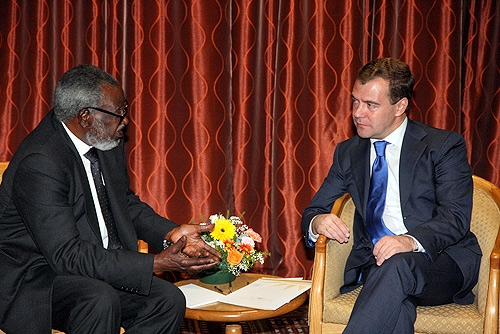
Nujoma and SWAPO engaged with regional and global actors to win support against South African rule and to secure the conditions for a peaceful transition. He was a visible figure at international forums and cultivated links with liberation movements and supportive states. His long-standing leadership made him the symbolic face of Namibia's struggle for independence.
Legacy, succession and controversies
Nujoma is celebrated by many Namibians as the nation's founding father and remains an influential elder statesman. His period in power is credited with preserving the country's territorial unity and initiating social programs, but it also drew criticism over the concentration of political power and decisions that extended his leadership beyond initial expectations. He stepped down from the presidency in 2005 and was succeeded by Hifikepunye Pohamba.
Notable facts
- Born 12 May 1929; central figure in the independence movement.
- Longtime leader of SWAPO, which became Namibia's dominant political party.
- First president of independent Namibia (1990–2005).
- Remembered for reconciliation efforts, nation-building, and a complex legacy blending achievement and debate.
For more on his political biography and the history of Namibia's independence struggle, see resources that document Southern African decolonisation and the role of nationalist movements such as SWAPO; further reading and archival materials are available through specialist histories and institutional collections (political biography resources).
Author
AlegsaOnline.com Sam Nujoma — first President and founding leader of modern Namibia Leandro Alegsa
URL: https://en.alegsaonline.com/art/130437