
Samuel Chase (1741–1811): American jurist, politician, and Declaration signer
Samuel Chase was a Maryland lawyer, Continental Congress delegate and signer of the Declaration of Independence who served as an Associate Justice of the U.S. Supreme Court and was impeached but acquitted.
Samuel Chase (April 17, 1741 – June 19, 1811) was a prominent Maryland lawyer and judge who served as a delegate to the Continental Congress and signed the United States Declaration of Independence as a representative of Maryland. He later became an Associate Justice of the United States Supreme Court, where his conduct and politics made him a central figure in debates over judicial independence.
Image gallery
5 Images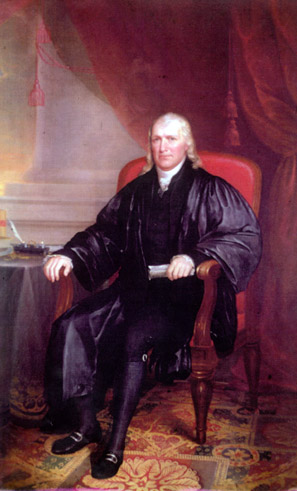


Early life and legal career
Born and raised in Maryland, Chase trained as a lawyer and became active in local and colonial politics. He built a reputation for vigorous advocacy and uncompromising opinions. Prior to national service he held several state and local offices, served on the bench in Maryland, and developed the judicial experience that shaped his later work on the federal court.
Role in the Revolution and signing
As a delegate to the Continental Congress, Chase participated in the discussions that led to independence and added his name to the Declaration in 1776. His signature marked Maryland's commitment to constitutional separation from Britain and linked his name forever with the founding era.
Supreme Court tenure and impeachment
Appointed to the Supreme Court near the end of the 18th century, Chase served for more than a decade. He was known for strong Federalist views and for asserting the authority of judges in politically charged trials. In the early 1800s he became the target of impeachment proceedings brought by a Democratic-Republican House that accused him of political bias and misconduct. The Senate ultimately acquitted him, a landmark outcome that helped define limits on impeachment and reinforced the independence of the federal judiciary.
Legacy and notable facts
- Signatory of the Declaration of Independence for Maryland.
- Longtime jurist whose impeachment and acquittal shaped constitutional practice regarding removal of judges.
- Remembered for his forceful courtroom manner and partisan reputation, which provoked controversy in his lifetime.
Chase died in 1811. Historians regard him both as a committed supporter of American independence and as a controversial figure whose career helped clarify the balance between political accountability and judicial security in the young republic.
Author
AlegsaOnline.com Samuel Chase (1741–1811): American jurist, politician, and Declaration signer Leandro Alegsa
URL: https://en.alegsaonline.com/art/130397