
Samuel Bodman — U.S. Cabinet Official, Engineer, and Business Executive
Samuel W. Bodman (1938–2018) was an American chemical engineer, business executive and public official who served as the 11th U.S. Secretary of Energy and in senior Treasury and Commerce posts.
Overview
Samuel Wright Bodman III (November 26, 1938 – September 7, 2018) was an American politician and public official who combined technical training and private-sector management with senior government service. He served as the 11th United States Secretary of Energy in the administration of President George W. Bush, after holding deputy-level posts at both the Department of Commerce and the Department of the Treasury.
Image gallery
2 Images
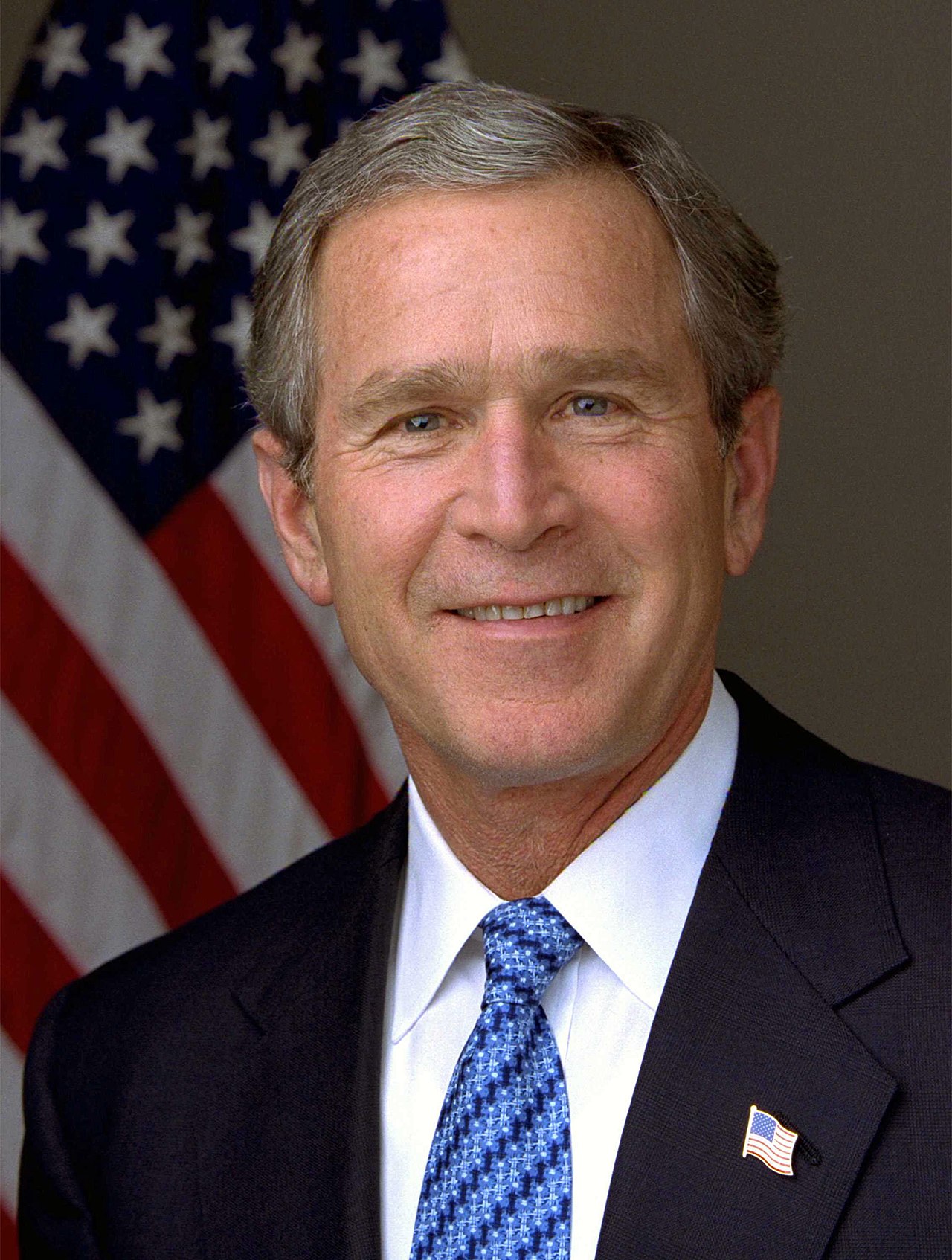
Background and education
Bodman trained as a chemical engineer and built a career that crossed industry, academia and government. His professional background included work in engineering, corporate management and executive leadership, which shaped his approach to running a large federal agency. This technical and managerial foundation informed his emphasis on research, laboratory oversight and efficient administration of government programs.
Career in government and the private sector
Before his appointment as Secretary of Energy, Bodman served in senior roles across multiple departments, including as a deputy secretary at Commerce and later at Treasury. As Energy Secretary, he oversaw a department responsible for national energy policy, energy research and development, and stewardship of the national laboratories and certain aspects of the nation’s nuclear enterprise. His tenure included attention to energy security, technology initiatives and agency management.
Notable roles and responsibilities
- Senior management of the Department of Energy, including oversight of research programs and national laboratories.
- Service as Deputy Secretary in two other cabinet agencies, providing cross-departmental experience in economic and commercial policy.
- Bringing private-sector management practices to federal administration, emphasizing organizational efficiency and program accountability.
Legacy and later years
Bodman is remembered for blending technical expertise with executive experience in both business and government. He retired from public life after leaving the Cabinet and later faced health challenges. He died in El Paso, Texas, on September 7, 2018, at age 79 from complications related to primary progressive aphasia. His career is often cited as an example of a technically trained executive serving at high levels of public policy and administration.
Selected positions held in public service and the private sector are summarized above; for more detailed accounts and primary documents consult official biographies and public records. Additional context on energy policy and the Department of Energy's mission can be found through related government resources and historical summaries.
Author
AlegsaOnline.com Samuel Bodman — U.S. Cabinet Official, Engineer, and Business Executive Leandro Alegsa
URL: https://en.alegsaonline.com/art/130396