
RZA — Robert Diggs, producer, rapper and leader of the Wu‑Tang movement
RZA (Robert Diggs, b. 1969) is an American rapper, record producer, author and filmmaker best known as the chief creative force behind the Wu‑Tang Clan and for pioneering a gritty, sample‑based hip‑hop production style.
RZA is the stage name of Robert Fitzgerald Diggs (born July 5, 1969), an American rapper, record producer, author and filmmaker. Widely recognized as the primary architect of the Wu‑Tang sound, RZA led production for the group's early records and helped shape a business model and aesthetic that influenced hip‑hop worldwide. He has also recorded solo albums, written books and worked in film.
Image gallery
5 Images
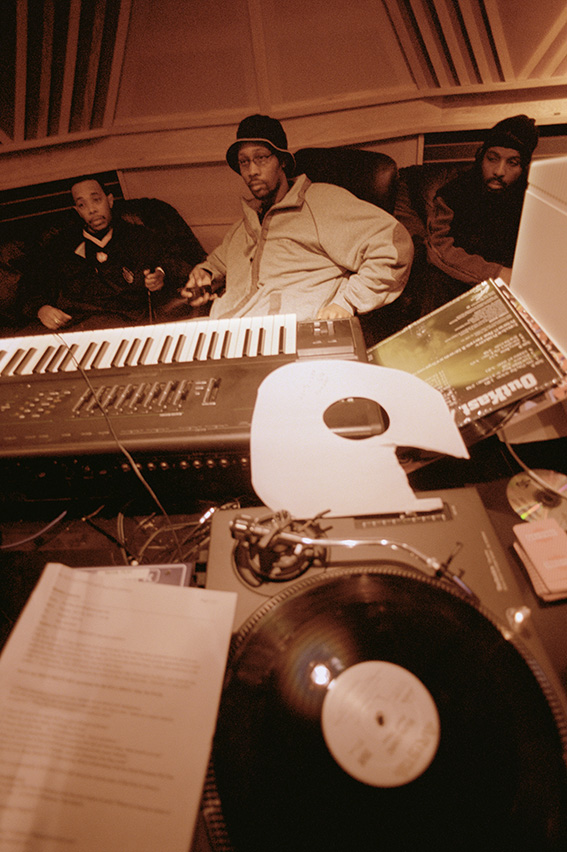

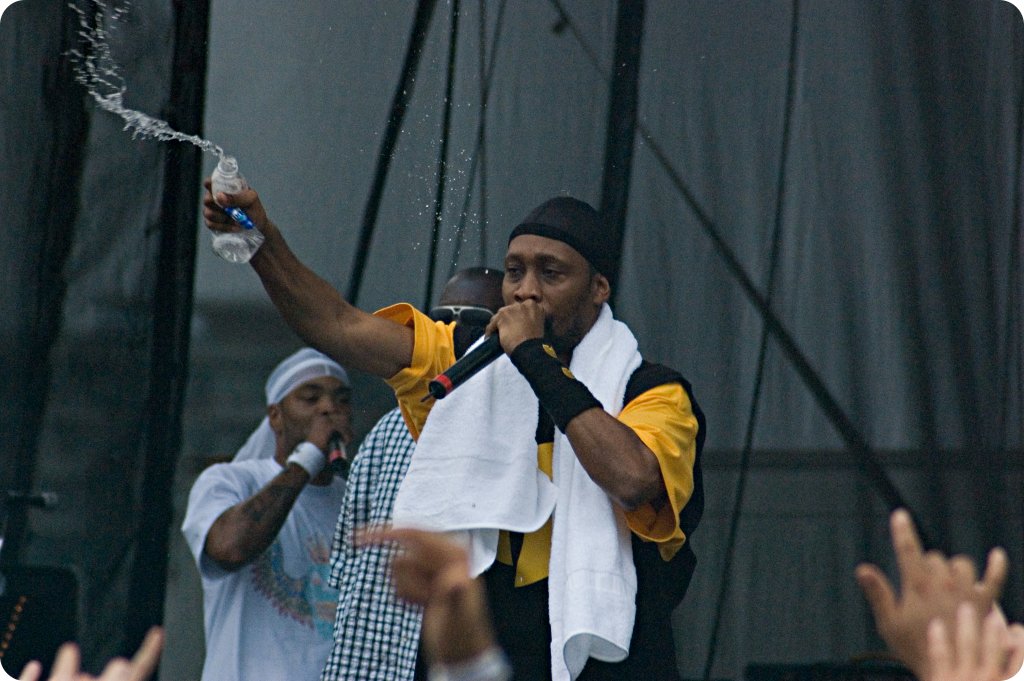

Early career and emergence
Diggs began releasing music in the early 1990s under the alias Prince Rakeem; his 1991 EP "Ooh I Love You Rakeem" preceded the formation of the collective that became the Wu‑Tang Clan. As Wu‑Tang's leader and in‑house producer, he developed the gritty, raw production heard on their debut and subsequent solo projects by group members. He was also a founding member of the experimental horrorcore group Gravediggaz, where he performed as Rzarector — a name that plays on the word "resurrector" and reflects the group's dark, satirical approach (see wordplay).
Musical style and production methods
RZA's production is known for certain recurring traits. Producers, critics and fans point to a palette built from:
- dense, looped samples of soul, funk and film scores;
- use of low‑fidelity textures and hard, prominent drum patterns;
- frequent kung‑fu movie dialogue and thematic motifs;
- an approach that favors mood and atmosphere over polished sonic clarity.
He also created distinct alter egos, most notably the cartoonish, futurist persona Bobby Digital, which allowed him to explore different themes and production ideas in his solo work.
Books, film and other creative work
Beyond records, RZA has written books about music, philosophy and the culture of his group, and he has worked in cinema as an actor, composer and director. He wrote two widely read books that discuss the group's history and his personal philosophy, and he has overseen scores and soundtracks for feature films, while also directing and producing screen projects. His career has bridged recording, writing and filmmaking, reflecting a multidisciplinary interest in storytelling and sound. For background on his identity and career, see Robert Diggs.
Influence and legacy
RZA is credited with helping to define the East Coast hip‑hop sound of the 1990s and with influencing generations of producers who value mood, unusual sample choices and thematic cohesion. The Wu‑Tang model — a loose collective with strong individual careers — changed how groups could organize commercially and artistically. His work remains a frequent touchstone in discussions of production innovation, independent business strategy in music, and the blending of popular culture with philosophical and martial‑arts references.
Notable facts
- Uses multiple stage names to separate creative roles (RZA, Rzarector, Bobby Digital).
- Early solo output includes an EP from 1991 and later albums under different personas.
- Active across media: albums, books and film projects.
RZA's continuing work—whether producing new music, writing or making films—keeps him an influential figure in contemporary hip‑hop and popular culture.
Author
AlegsaOnline.com RZA — Robert Diggs, producer, rapper and leader of the Wu‑Tang movement Leandro Alegsa
URL: https://en.alegsaonline.com/art/130265