
Rumen Radev
Bulgarian politician and former Major General who has served as President of Bulgaria since January 2017. A career air force officer, Radev has played a high-profile role in national politics and foreign-policy debates.
Rumen Georgiev Radev (Bulgarian: Румен Георгиев Радев; born 18 June 1963) is a Bulgarian politician and former air force officer. He became the sixth President of the Republic of Bulgaria on 22 January 2017 after a career in the Bulgarian Air Force, where he reached the rank of Major General and served as commander of the air service prior to entering national politics. He is widely recognized for bringing a military background into the presidential office.
Image gallery
7 Images


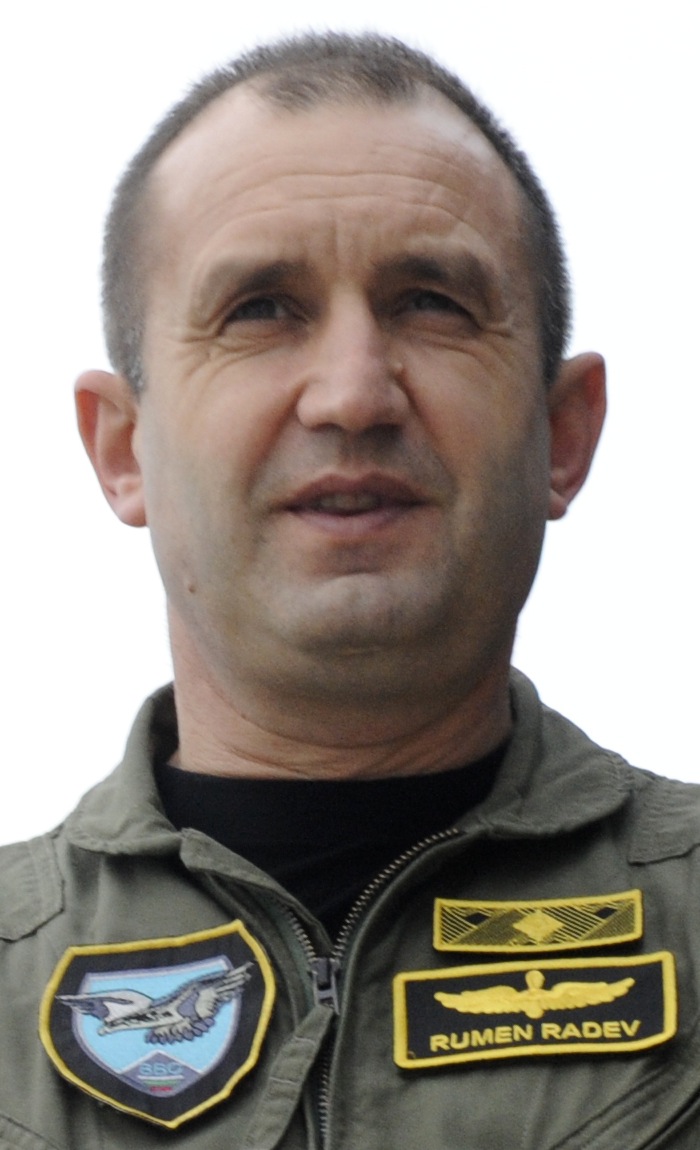

Early life and military career
Radev trained and served as a professional military pilot and instructor. Over several decades he advanced through the Bulgarian Air Force, holding command and staff roles and eventually becoming its commander. His military career shaped his public profile and informed his emphasis on defense, institutional reform and administrative competence during his presidency.
Presidency and political role
Radev was elected president in late 2016 and inaugurated in January 2017. He campaigned as an independent with broad public support, often presenting himself as an alternative to established party elites. He has used presidential powers in areas such as foreign policy, defence and the appointment of caretaker administrations during periods of parliamentary deadlock. He won a second term in 2021 and continues to influence domestic debates on governance and the rule of law.
Positions, public image and controversies
Observers describe Radev as a pragmatic figure who stresses state institutions and national security. Supporters view him as a defender of accountability and an advocate for ordinary citizens; critics have accused him of taking positions that sometimes clash with the elected government or of being overly close to certain foreign interests. Radev and his office characterize his approach as focused on national interest and constitutional duties.
Significance and notable actions
- Transitioned from senior military leadership to the presidency, a notable civilian role for a former general.
- Used presidential authority to call for and oversee interim governments when parliaments failed to form stable coalitions.
- Played a visible part in Bulgaria's foreign-policy discussions and in debates about defence and European integration.
For more detailed biographical and policy information, see profiles and official sources on Bulgarian public life and governance. Additional context can be found via media coverage and analyses linked from official pages and reputable outlets. Further reading is recommended for updates on his initiatives and the evolving political landscape.
Author
AlegsaOnline.com Rumen Radev Leandro Alegsa
URL: https://en.alegsaonline.com/art/130179