
Rosalía Arteaga — Ecuadorian politician and briefly Ecuador's first female president
Ecuadorian lawyer and politician born in 1956 in Cuenca. Vice president who became the country’s first woman to assume the presidency for two days in 1997 amid a constitutional crisis and later remained active in public life.
Overview
Lupe Rosalía Arteaga Serrano de Fernández de Córdova (born December 5, 1956) is an Ecuadorian public figure best known for serving briefly as the nation’s first female president. Trained and active in public service, she rose to national prominence as vice president and became central to a constitutional dispute in 1997 after the removal of President Abdalá Bucaram. Arteaga was born in Cuenca, Ecuador and is widely described in sources as a politician and public servant.
Image gallery
2 Images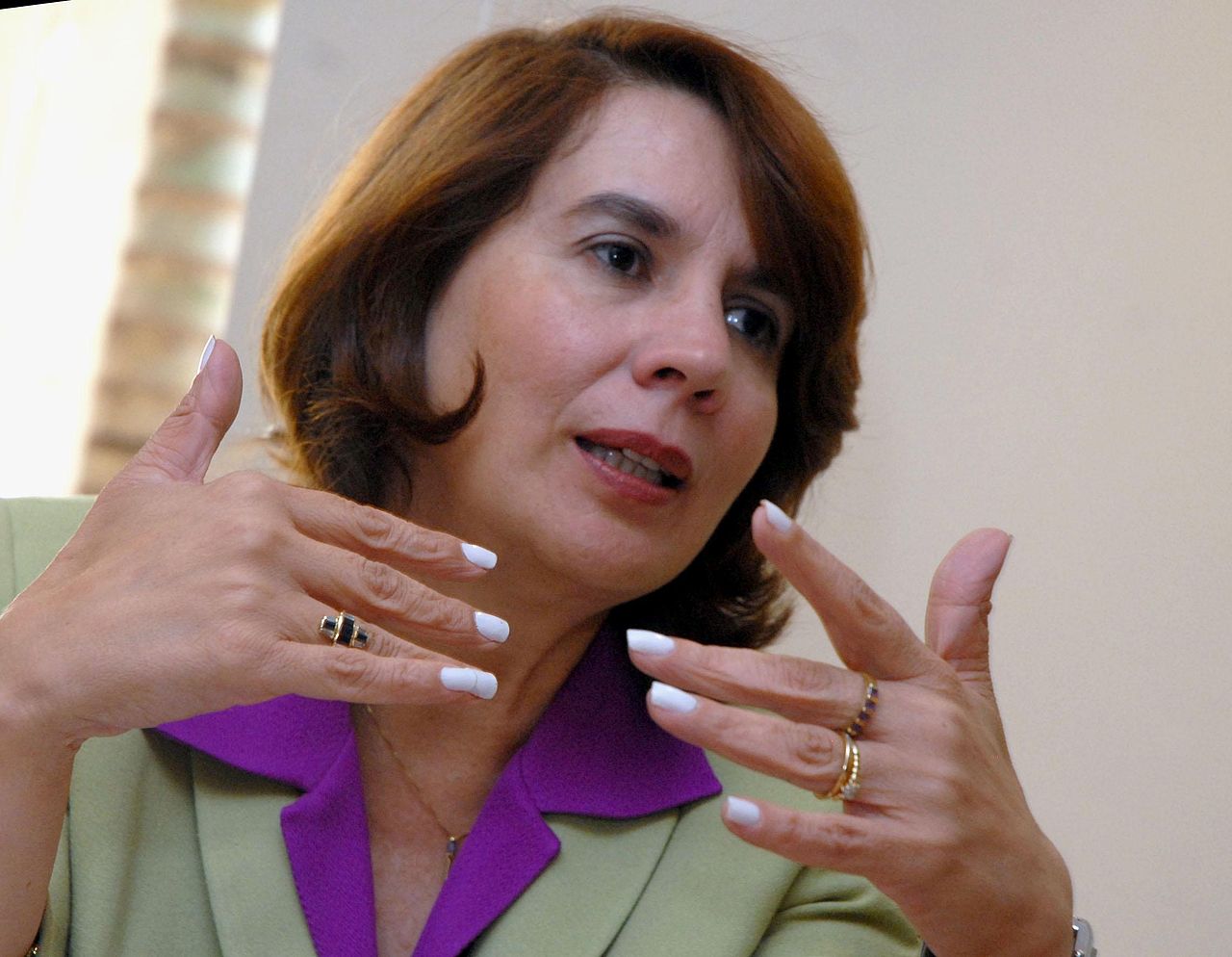

Political career and roles
Arteaga’s career combined elected office and public administration. She held the vice-presidential office at a time of intense political instability in Ecuador. As vice president she was the constitutional successor to the presidency, a status that became the focal point of national debate during the crisis surrounding Bucaram’s removal.
1997 constitutional crisis and brief presidency
In 1997, following the parliamentary action that removed President Bucaram from office, Arteaga asserted her constitutional right to assume the presidency. For a short, disputed interval she served as president — commonly described as two days in many contemporary accounts — while competing institutional actors and the legislature negotiated an interim leadership arrangement. The episode highlighted ambiguities in succession rules and elevated questions about constitutional procedure, gender and authority in Ecuadorian politics.
Legacy and significance
Arteaga’s short tenure as president has a symbolic place in Ecuador’s history: she is recognized as the country’s first woman to assume the presidential office. The episode is often cited in discussions about constitutional law, vice-presidential succession and the role of women in Latin American leadership. Her case is also studied as an example of rapid political change and how institutional frameworks handle crises.
Notable facts and later activity
- Full name: Lupe Rosalía Arteaga Serrano de Fernández de Córdova.
- Born December 5, 1956, in Cuenca — a cultural and economic center in southern Ecuador (Cuenca).
- Recognized as Ecuador’s first woman to hold the office of president, albeit briefly.
- After 1997 she continued to be involved in public life, contributing to civic, academic and diplomatic initiatives and remaining a visible figure in national debates.
For further reading on the constitutional questions raised in 1997 and on Arteaga’s subsequent roles in public affairs, consult institutional and historical analyses that cover Ecuador’s political transitions in the 1990s and the evolving role of vice presidential succession in Latin America.
Author
AlegsaOnline.com Rosalía Arteaga — Ecuadorian politician and briefly Ecuador's first female president Leandro Alegsa
URL: https://en.alegsaonline.com/art/130072