
Ronald Ross — pioneer in malaria transmission and vector control
Ronald Ross (1857–1932), English physician who proved that malaria is transmitted by Anopheles mosquitoes and won the 1902 Nobel Prize; his work founded modern mosquito control and transmission theory.
Ronald Ross (13 May 1857 – 16 September 1932) was an English physician whose experiments and analysis established that malaria is transmitted by mosquitoes. His laboratory and field work culminated in the award of the 1902 Nobel Prize in Physiology or Medicine for demonstrating the role of mosquito vectors in spreading the disease.
Image gallery
10 Images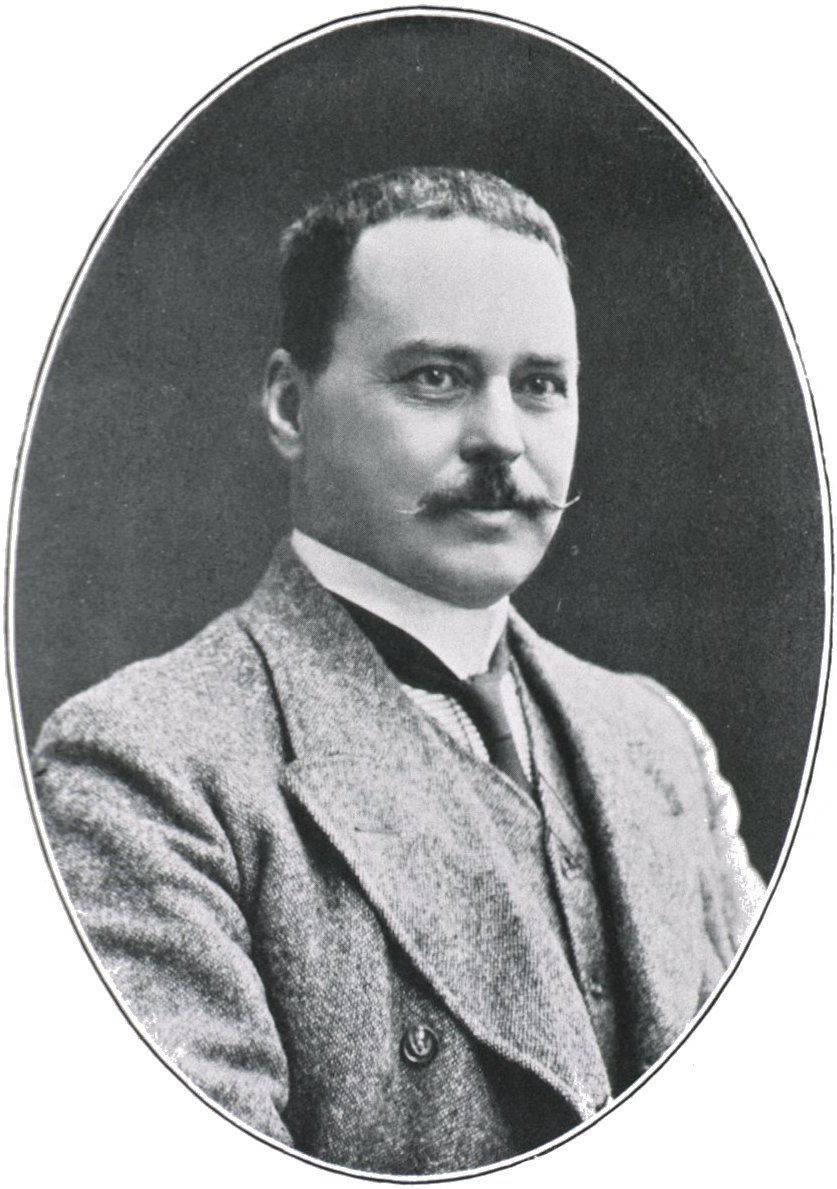


Life and career
Ross trained in medicine in Britain and served in colonial medical work, where he focused on tropical fevers. During his service he conducted systematic investigations into fevers that were endemic to certain regions and pursued laboratory studies that linked disease biology to insect vectors. He later held positions connected with institutions devoted to tropical medicine and public health.
Discovery and methods
Working through careful observation and controlled experiments, Ross traced the life cycle stages of the malaria parasite inside mosquitoes and showed how they could be transferred to vertebrate hosts. His findings demonstrated that control of the insect vector could interrupt transmission of malaria. He named and worked with mosquito species belonging to the genus Anopheles, identifying them as the primary vectors for the human disease.
Scientific contributions and approach
Beyond the immediate laboratory results, Ross developed quantitative ways to think about transmission: he introduced early mathematical models relating mosquito biting rates, parasite development, and human infection risk. His emphasis on combining experiment, observation and simple mathematics influenced later epidemiological models and shaped practical vector-control strategies.
Legacy and impact
- Provided definitive proof that mosquitoes can transmit human malaria, giving a clear target for public health interventions.
- Helped shift control efforts toward mosquito habitat management, insect-proofing and other vector control measures.
- Influenced later generations of epidemiologists and the development of transmission models used in disease control planning.
Ross remains a central historical figure in tropical medicine: his work turned attention to the insect stage of disease cycles and laid foundations for modern preventive measures. For concise biographical and scientific summaries see general references on tropical disease history and the particulars of his research as recorded in specialist accounts and archives on his life.
Author
AlegsaOnline.com Ronald Ross — pioneer in malaria transmission and vector control Leandro Alegsa
URL: https://en.alegsaonline.com/art/130017